


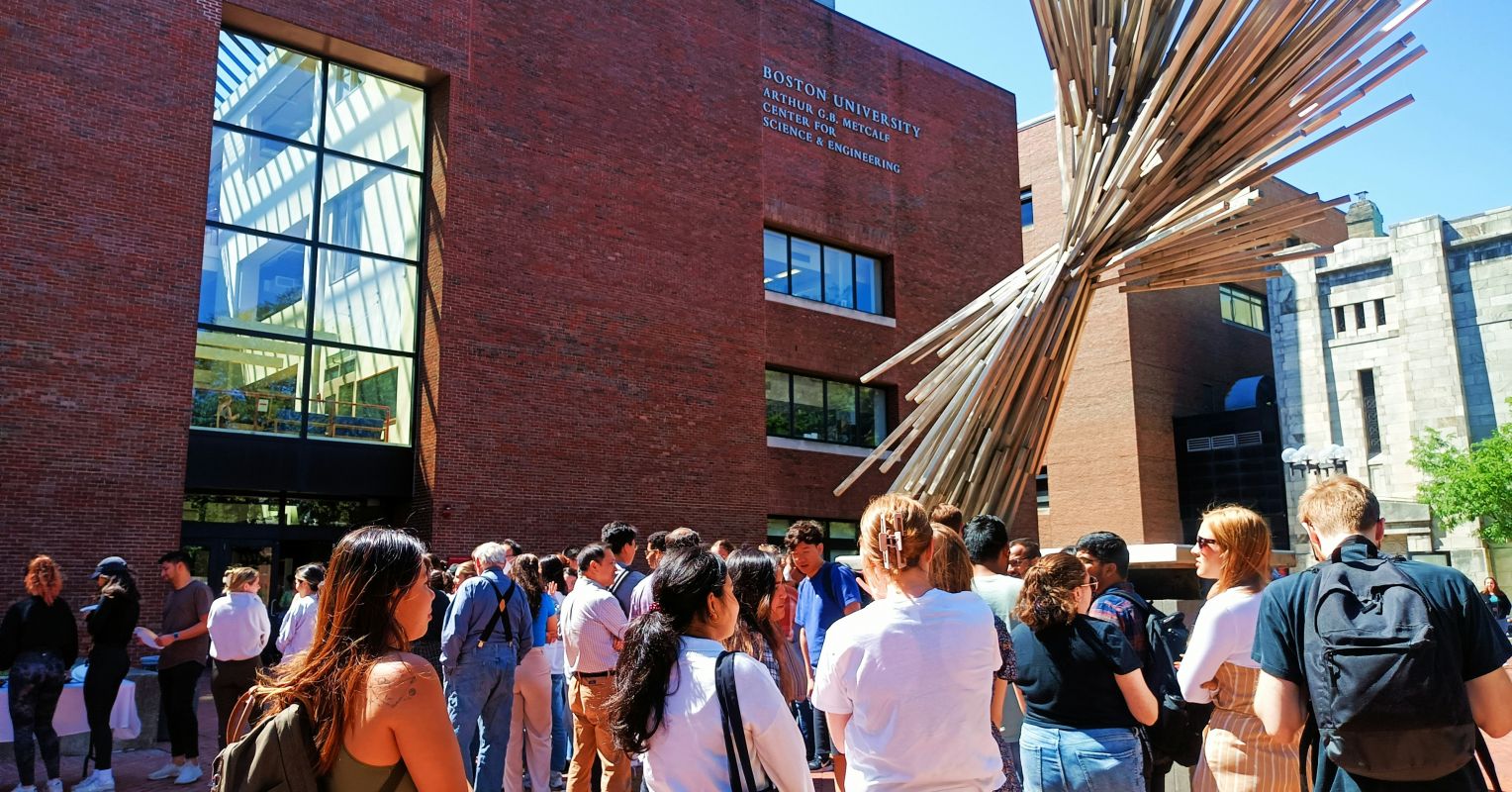
The season of college tours is in high gear. During a recent trip to Madison, Wisconsin, where I went to college and returned to show my husband this fabulous town, we found ourselves in the elevator of the student union with a mother and daughter. The mother was carrying a school tote bag, which led me to ask if they were there visiting for a college tour. Indeed, they were. But what really struck me about it is that when I looked at the daughter and asked her what she thought of the campus experience, she started to say that it was nice, and then her mother immediately jumped in to become her spokesperson.
As a college professor for over 30 years and the author of a recent college guide, I found this interaction telling. It seemed representative of what we are seeing on campus and what appears to be happening nationwide with this current generation of students and parents. You may have noticed that parents will remark, “We are applying to blank school…” or “We hope to get blank dorm.” There’s a sense that students and parents are going to college together.

There are things that parents can and should do to stay engaged in the process while still striking a balance that empowers their students to take the lead. It’s a bit of a Goldilocks situation where it’s best if parents are neither completely removed nor overly involved and smothering. Students need and want support, but they also need and want support and guidance toward self-advocacy, confidence-building, decision-making, and finding their own voice.
Here are some specific things parents should keep in mind when touring colleges with their children.
- When there are opportunities to ask questions or make comments, let your kids and other kids speak first.
- If you find yourself on the elevator like the mother described above (or if you find yourself anywhere else on campus, for that matter), remember that the adults that you and your student are coming into contact with could be faculty or staff members at the school, and that this is a wonderful opportunity for students to begin to forge those connections. That’s a great time to take a back seat and just observe the interaction.
- It’s tempting to want to pack it all in, but try to avoid overscheduling things. Some of the best moments on a campus, and in life in general, happen when there is some room for spontaneity. Maybe a conversation leads to going out for coffee with another family. Maybe a conversation in an elevator leads to a professor showing you a lab on their way to or from their office. A lot is possible if you leave time and space for it. And it’s also helpful if you can give your student some alone time to take a walk or sit in the student center and see if they can envision themselves on that campus. It’s in the stillness that most people can think more clearly and make more sound decisions.
- Campus tours are a little bit like first dates. Try to avoid the temptation of asking your student a million questions about their impressions of the campus. Many students take a while to process what they are experiencing. And of course, we know that if you tell them how much you love a campus, it can be a recipe for the student hating it. Vice versa, if you have trouble picturing your student on a campus, your student might be loving it.
- Avoid the temptation to make spreadsheets to keep track of college visits. The best thing is for students to decide the various dimensions of the campus experience that are most important to them and to make a list of pros and cons for each place. Students need to be the ones to generate these notes and lists, not parents.
- Of course, there are things that students are less likely to know or think to ask about, and it is reasonable for parents to investigate those things. These may include financial viability or vulnerability of the institution; the percentage of faculty who are tenured and on the tenure track (they possess the title of assistant professor, associate professor, or professor) versus contingent faculty like instructors, lecturers, visiting professors, and adjuncts; the stability or instability of the school’s leadership, etc. At a point in history when so many colleges have closed, are closing, or are on the verge of closing, this is crucial information. Faculty with job security who are not applying to new jobs every year because of the precarity of the market and who have health benefits are in a better position to be around for the full amount of time your child is enrolled. These are the faculty who will be available to your student as long-term mentors, thesis advisers, partners for research and internship opportunities, etc. And, when a school has stable, robust, innovative, and visionary leaders who are respected and liked by faculty and staff, this translates to far better conditions for students on all levels.
- Give yourself and your student time to explore the surrounding area of the campus. Check out things that are walkable to campus and things that are accessible by mass transportation, if that exists in the location you’re visiting. If your child will have a car, it’s also a chance to see what’s in a 30-minute (or so) radius that might be interesting. Places to look for might include beaches, parks, arboretums, farmers’ markets, coffeehouses, museums, theaters, grocery stores, pharmacies, restaurants, and shops.
- Ask for a meal pass and eat in the dining hall, both to explore the food options and to meet other students. This is also a good opportunity to find out what’s available if your students are vegetarian, vegan, keep Kosher, or have other dietary needs.
- The one building you must explore is the student center or student union, as it is often the heart of the campus. It gives you a great idea of the pulse, vibe, and sense of community on campus.
- Be sure to check out the bulletin boards inside buildings and the outdoor kiosks to see what sorts of activities are happening, including guest speakers, concerts, political events, field trips, college-sponsored excursions, movie nights, special performances, musicians, dancers, poetry slams, boating adventures, camping trips, hiking clubs, gaming groups, etc. Also, check out the various support services offered throughout campus, including the writing center, student success center, counseling center, LGBTQ+ center, Hillel, chapels, victim support services, office for students with disabilities, health services, study abroad office, etc.
