


Back in the 1990s, I sat with His Holiness the Dalai Lama; this meeting was highlighted by my studies on reincarnation in the parapsychology program at Duke University’s Rhine Research Institute. I had learned that a psychiatrist at the University of Virginia, Ian Stevenson, spent more than 40 years investigating more than 2,500 cases of children who remembered their past lives, including details like their previous names and the causes of their deaths; in 11 cases, the children had birthmarks that supposedly resembled the fatal wounds of the person they claimed to have been. I found Stevenson’s work fascinating. This is in addition to Sogyal Rinpoche’s explanation in “The Tibetan Book of Living and Dying” of why most people don’t consciously remember their past lives and belief in the transmigration of souls through sundry lifetimes.
As a psychotherapist for the past 17 years, I have observed a phenomenon that I labeled in a previous post as “fabricated self-importance.” While the Dalai Lama and children who remember past lives are the opposite of people who fabricate self-importance, the fabricators instead behave as if they are reincarnations of kings and queens from previous epochs. The latter appear on social media and behave like famous public figures—the behavior is conscious, intentional, performative, and strategic, as well as inauthentic and perhaps absurd. It is the deliberate performance of putative status superiority for transactional gain deployed by people who conduct their lives as if they’re always doing something extremely important. For example, they double-book lunches to see—à la Black Mirror—which of their “friends” will yield more power points.

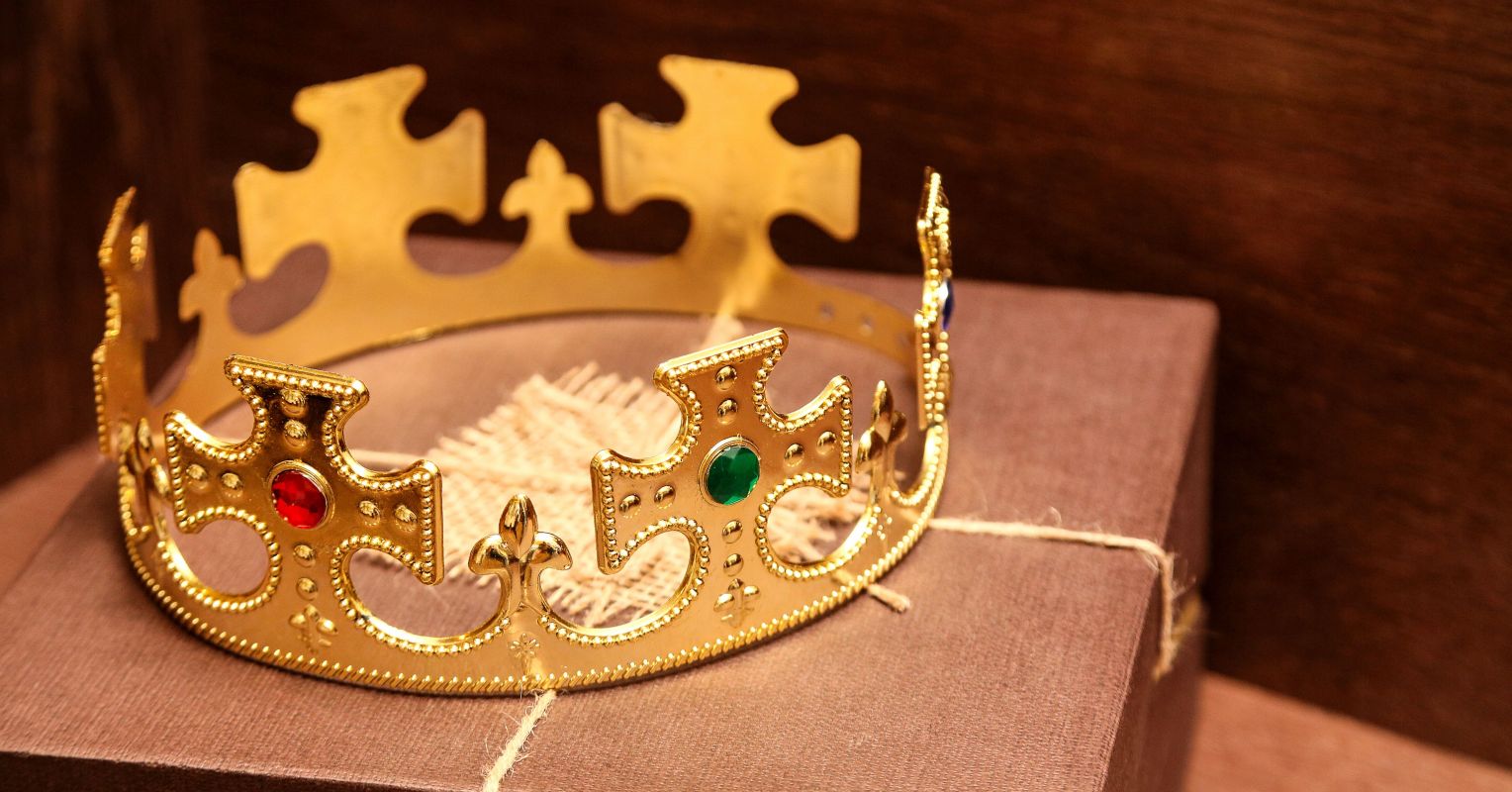
I’ve recently noticed a sub-genre of this affliction that I hadn’t previously fully accounted for: an endemic sense of entitlement that seems to have trickled down from these people who are famous for being famous, namely influencers, into real life. “Ask for forgiveness, not for permission,” I heard one of them say. There may be an “outside the box” explanation for this disregard: The “Do you know who I am?” attitude. I am only half-joking when I suggest that these people must have been kings or queens in their past lives.
Here are 10 behaviors I have observed that have led me to this conclusion:
10. Texting at red lights, causing three to five cars behind them to miss the next green light. The idea that a DM would cause the woman behind them to miss her ultrasound doesn’t compute. Whatever they are doing is clearly the most important priority and cannot wait.

9. Correcting a waiter’s pronunciation of a foreign wine, delivered like someone who once had vintners hanged them for lesser offenses.
8. Taking a video call on speakerphone in a waiting room or on a train, converting a public space into your private office. The royals feel that allowing common people to overhear their intimate dealings will inspire them to want to be great.
7. Cutting the line at a coffee shop under the guise of “just asking a quick question,” which somehow becomes an order. Customizing latte orders is an artistic expression of uniqueness. We must let these anointed artists beautify our world in their uniqueness each morning.
6. Ghosting “the help,” closure is a courtesy the royals do not have time to extend. It lets people know how great they are by keeping others dangling.
5. Letting their dog off-leash in an on-leash area “because he’s friendly.” Leash laws were written for other people’s dogs.
4. Talking at normal volume during a movie, play, or concert, as if they were in their own living room—in a sense, they are.
3. Double-parking “for just a minute,” blocking a full lane of traffic. Hazard lights optional.
2. RSVPing yes and simply not showing up—no cancellation—to a dinner, wedding, or gathering someone paid for per head. Their presence is always a gift. Maybe next time they will bless you. Keep trying.
1. At cafes, restaurants, and bars, they say: “I’ll do the__” (matcha latte, espresso martini, avocado toast with burrata). They do not ask: “May I please have a__?” “May I please have” is a request. “I’ll do the__” is a decree. If you’re not royalty, then you’re there to serve.
A heightened sense of entitlement accompanies the fabricated self-importance, and it is a full-time job for not only many influencers but many seemingly otherwise normal adults who amuse themselves by playing status games. My observation of the egregious disregard for commonly accepted etiquette is that these people must be reincarnations of kings and queens from previous epochs, many of whom must feel that they were sent back to Earth to instruct the rest of us how to live correctly by constantly displaying their greatness in the most trivial and mundane situations.
