


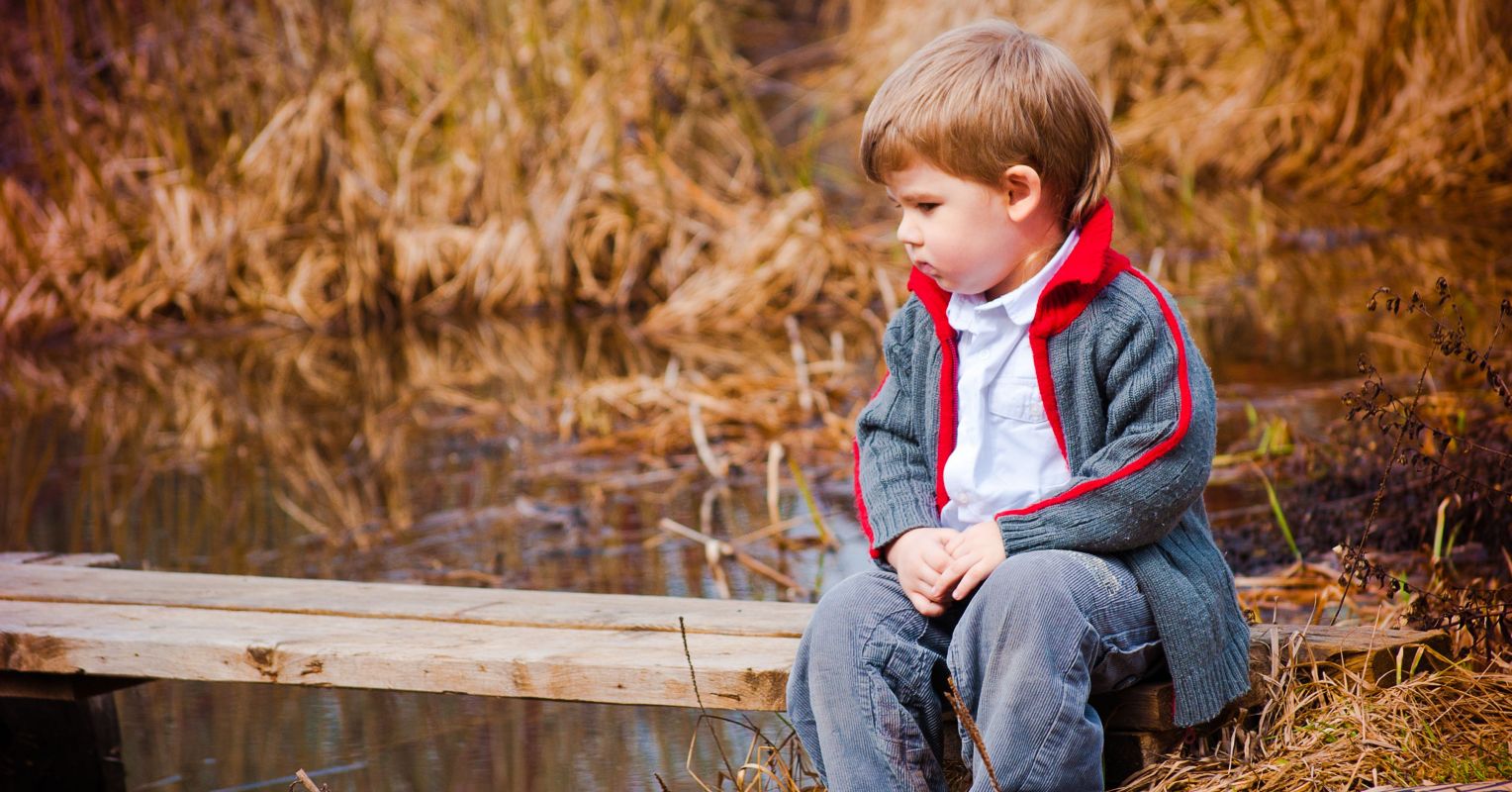
When I reflect on how parents often describe a “reactive child,” they usually describe noise. I’m talking about yelling, crying, doors slamming, throwing something. You get the picture. In short, when things melt down, everyone in the house knows it’s happening. But my point in writing this article is that some of the most overwhelmed kids I’ve worked with barely make a sound.
When kids go quiet, it may be in response to a parent asking about a failed test, and then the child stares at the floor. Or, a teenager gets embarrassed at a family gathering and suddenly stops talking. Or another scenario is a child struggling with homework who puts down the pencil or pulls the top down on their laptop, crosses their arms, and seemingly refuses to move. Inwardly, as I have written in many other posts here, these kids are often overthinking. They are second-guessing themselves and have anxiety over making mistakes.

The more complicated problems arise when adults understandably misinterpret what they see: She’s being stubborn. He’s shutting me out. She doesn’t care. Yet that outward quiet shutdown is often not seen as reflecting emotionally loud pain within the child’s mind.
Emotional Reactivity Has More Than One Face
A child’s nervous system can respond to feeling overwhelmed in several ways. Some children become explosive, where they get louder, faster, and more physical. Others shut down, as seen when they withdraw, refuse, or stop responding. Still others freeze: their face goes blank, their body becomes still, and they seem almost eerily unaffected. Ironically, that third child may receive the least support because adults assume nothing is happening.
This quieter side of reactivity (as well as the loud, in-your-face meltdowns) is something I explore in 24 Hours to a Less Reactive Child: The One-Day Reset to Reduce Conflict, Calm Big Emotions, and Reconnect. One of the central ideas is that parents can become so focused on problematic behavior that they miss what happened immediately before it—the internal emotional surge. And when the behavior is almost invisible, the surge is especially easy to miss.
Some Practical Examples of What Parents Can Say to Help

Here are some examples of what parents can say in emotionally reactivity-driven shutdown situations with kids across a range of ages. In each of these examples, consider how parents respond in a calm, supportive manner to help reduce their kid’s reactivity.
Age 7
Joey is staring off, visibly resistant to doing his homework. He becomes very quiet and appears stressed.
Do not say: “You’re just sitting there. Pick up the pencil.”
Instead say: “Something about this feels really hard right now. Just know I’m here to help you want to draw a picture about how you feel, or we can talk about it.”
Age 13
Bella suddenly falls silent after being embarrassed by a group text from her friends that are writing about her being too sensitive about some teasing she experienced earlier that day in school.
Do not say: “Why are you moping about this and being so dramatic? I’m sure this will all blow over tomorrow.”
Instead say: “You got really quiet. I’ll give you some space, and I’m here to listen if you’d like to talk about it.”
Age 17
Abe says the dreaded “I don’t care” when he finds out he was cut from the school soccer team.
Do not say: “Obviously you do care, so stop pretending you don’t.”
Instead, say: “You don’t have to talk about it right now. We can come back to it if that will feel helpful to you.”
Some Final Thoughts
Navigating a child who is reacting within and appears outwardly silent and shut down can be very trying for parents. None of those samples of responses mean accepting disrespect, abandoning expectations, or diagnosing every quiet moment as emotional distress.
They mean becoming curious before becoming corrective. I can’t stress enough the power of gentle curiosity vs. making judgmental, corrective suggestions when engaging emotionally reacting kids. And keep in mind that parents naturally notice the child who turns the emotional volume up. The greater challenge may be noticing the child whose nervous system turns everything down. Sometimes the kid creating the least disturbance in the room is the one working hardest to hold themselves together. Based on working with these kids in my office and coaching their parents, I have seen just how much they value your emotional support when it’s delivered in a way that feels safe for them to process.
