


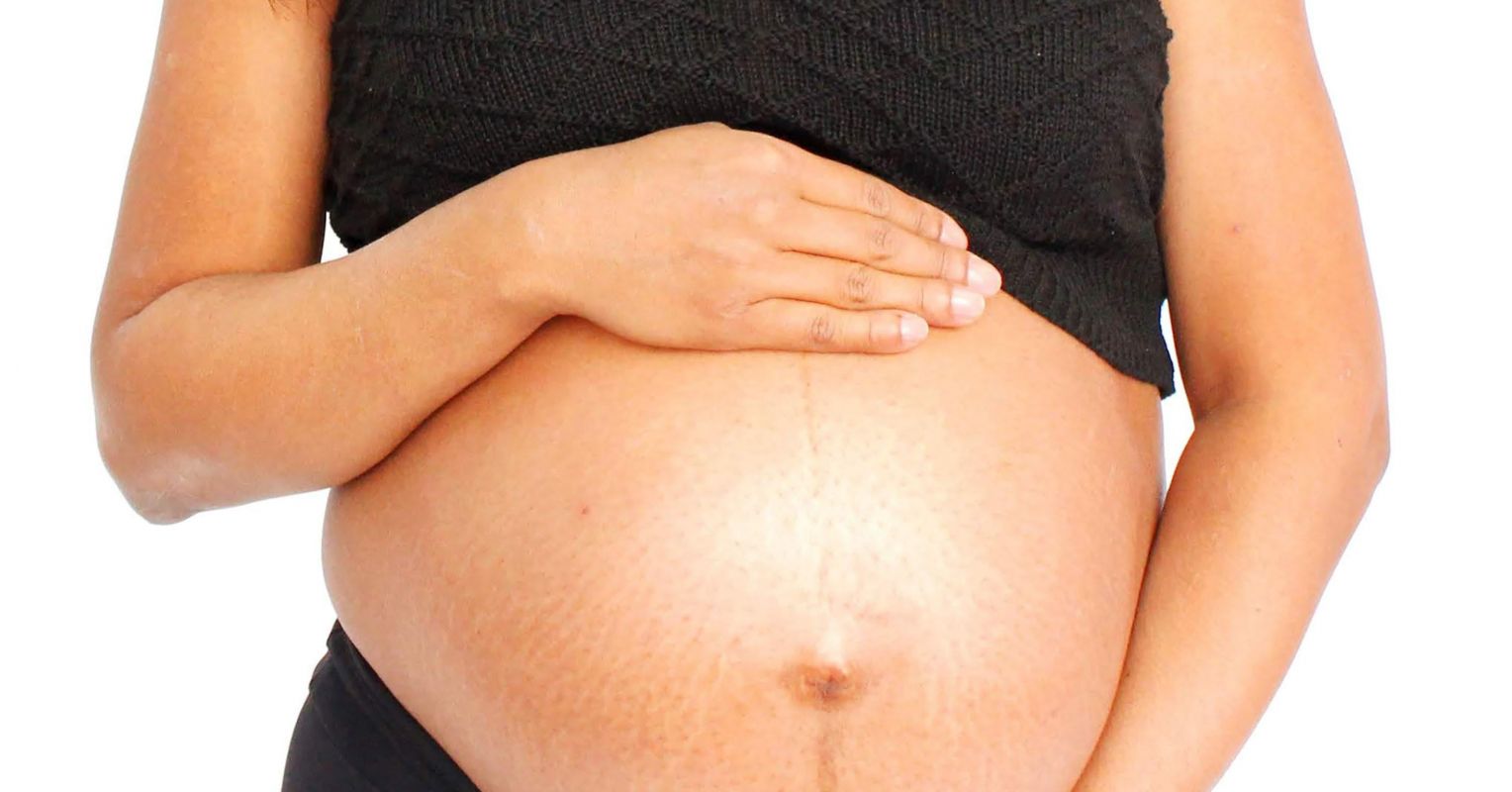
What is a safe amount of alcohol during pregnancy? This is a critical question because the well-being of a pregnant woman’s child depends on the answer. It is also a timely question because “alcohol consumption during pregnancy remains a public health concern” (Thomas, 2026).
Even though the risks of drinking alcohol while pregnant have been made known for many years, there is evidence that high-use patterns appear to be increasing (Bruzelius, 2026). High-risk drinking is defined as binge drinking (four or more alcoholic drinks on at least one occasion during the past 30 days) or heavy drinking (eight or more alcoholic drinks within one week during the past 30 days).
Sample Case

Anne was a 29-year-old married third-grade teacher. She and her husband decided they would like to start a family while she was still “young.” They regularly drank a glass of red wine with dinner most nights. They wondered if it was safe to continue doing that if she became pregnant.
Their friends told them that they couldn’t imagine that one glass of wine with dinner could be harmful to a developing fetus. Despite that advice, Anne decided to learn what research shows. She and her husband agreed to limit alcohol to whatever amount is known to be safe. The Centers for Disease Control and Prevention (CDC) provided the answer.
The CDC states clearly that “there is no safe amount of alcohol use during pregnancy.” Furthermore, “all types of alcohol can be harmful, including red wine, beer, and liquor” (CDC, 2026).

Evidence supporting the CDC’s findings includes a systematic review showing that “no amount of alcohol is established as safe during pregnancy” (Bruzelius, 2026).
What Do We Know About Alcohol Use During Pregnancy?
Gursu and colleagues reported that prenatal alcohol exposure adversely affects “multiple developing organs,” including the placenta. They point out that “complete maternal abstinence from alcohol remains the most effective preventive strategy” (Gursu, 2026).
Alcohol is toxic for a fetus. The CDC (2026) notes that “alcohol use during pregnancy is associated with an increased risk of miscarriage, preterm birth, stillbirth, and sudden infant death syndrome (SIDS).” There are many other health consequences; for example, alcohol in the fetus can cause malfunctioning of the fight-or-flight response that can also last into adult life (Das, 2023).
Alcohol adversely affects the developing fetal brain. For example, research has shown that newborns whose mother drank alcohol during pregnancy can have brain abnormalities such as “smaller thalami, amygdalae, and hippocampi” (Pielage, 2024).
The various harms that can happen to the fetus are collectively called “fetal alcohol spectrum disorders” (FASD). It includes a “wide range of physical, behavioral, and cognitive impairments that occur due to alcohol exposure before birth” (NIAA, 2025). One way this can happen is due to alcohol altering the “intrauterine environment, which is the main source of developmental deficits and nutritional insufficiencies” (Naik, 2022).
Alcohol can cause brain inflammation in the fetus that results in destruction and death of neurons (Zeng, 2024). Brain inflammation can alter “brain structures and function” and increase the “risk of neurological disorders, such as autism, schizophrenia, cerebral palsy, and learning difficulties” (Clancy, 2025).
The most severe cases of fetal alcohol exposure are called fetal alcohol syndrome (FAS). It includes a wide range of abnormalities such as distinctive facial features, a low IQ, school and social problems, developmental delays, and others. There is no cure. However, helpful interventions include special education and behavioral therapy.
What Factors Increase the Risk of Alcohol Use During Pregnancy?
Drinking alcohol and exposure to cigarette smoke, either active or passive, increase the risk of fetal harm (Polanska, 2025; Bruzelius, 2026). Other additive risk factors include use of illicit drugs, poor nutrition, and significant stress (Bruzelius, 2026).
Women have been drinking more alcohol during the past several decades (Popova, 2021). This has increased the risk of fetal abnormalities.
We also know that drinking alcohol increases the risk of developing various types of cancer. Cancer deaths due to drinking alcohol have doubled in the United States from 1990 to 2023. The most common alcohol-related cancer in women is breast cancer (Jani, 2026).
If a Woman Drank Alcohol Before She Realized She Was Pregnant, What Should She Do?
Women who drink alcohol regularly may not be aware of a pregnancy until they have already had alcohol for a couple of weeks. As soon as a woman is aware that she is pregnant, she should discontinue all alcohol intake. After her baby is born, she should share her concerns with the physician caring for her baby.
The Bottom Line
- There is no known safe amount of alcohol intake during pregnancy.
- There is no safe time during pregnancy to drink alcohol.
- All types of alcohol are unsafe during pregnancy.
- As soon as a woman knows she is pregnant, she should discontinue all alcohol intake.
