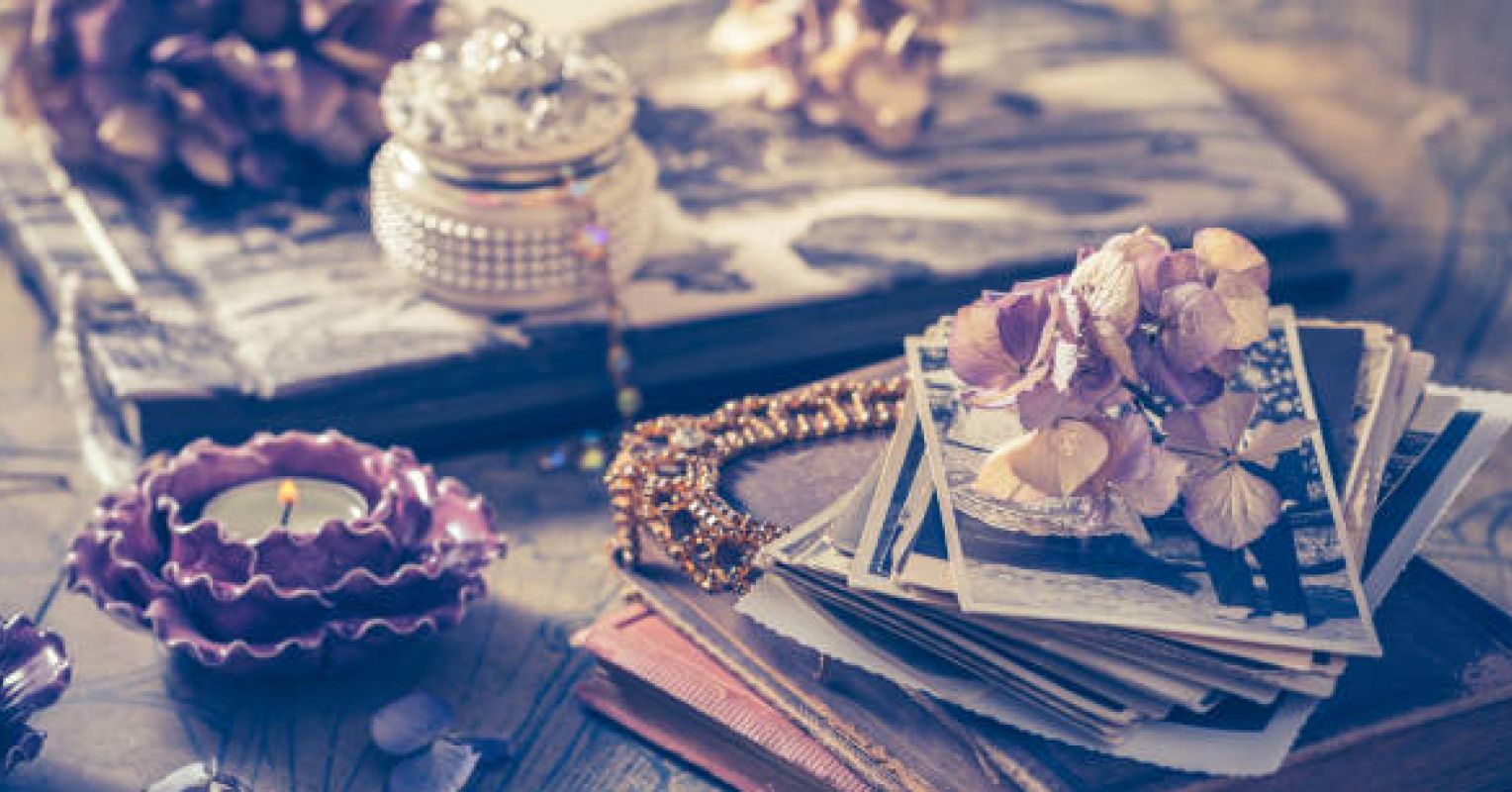
We all have objects that we use every day, and then we have objects that we almost never use because they are too “good” or precious for everyday use. Maybe that’s wedding China, special jewelry, or treasured souvenirs. We refrain from actually using those sentimental objects to protect them and keep them safe, but are we paradoxically missing out on their true value by keeping them stored away?
New research from Dan Grossman and colleagues (2026) suggests that using sentimental possessions can actually make them more meaningful. The findings challenge the familiar intuition that using a cherished possession risks wearing away its value. Instead, Grossman and colleagues suggest that everyday use can help that value grow.

This is because sentimental objects derive much of their value from the people, events, and experiences they represent. The researchers propose that using these objects strengthens the connection between the object and its associated memories by allowing the memories to come up more frequently, by reminding us why these memories matter to us, and by strengthening the connection to our identity.
The researchers tested this explanation directly in five studies with almost 2,000 participants. People who used their sentimental possessions reported thinking more often about the associated person, event, or experience. They also felt that association was more closely connected to their identity, helping to explain why the object’s sentimental value increased. In one experiment, 214 university students decorated a keychain with words that reminded them of a favorite college memory. Those who used the keychain every day for two weeks experienced a greater increase in sentimental value than those who kept it in a drawer.
Using sentimental possessions can not only strengthen their personal value but also contribute to a greater good by letting fewer possessions sit unused. As consumers, we find ourselves increasingly overwhelmed with more possessions that we’d like to have or use, as shown by rising interest in personal storage space outside of the home (Self Storage Association UK, 2026). Although we have more than we can or want to use, we still preserve some things because they are too precious for our everyday usage. Maybe if we thought of our possessions less as things to keep, we could treat them more as means to an end, whether that’s greater connection to others or a way to reminisce. Perhaps the best way to preserve a treasured possession is not always to save it for someday, but to find a place for it today.