


Our first associations to the word creativity tend to be about thinking: Think different! Think outside the box!
But creativity is not just about thinking and having ideas. Monet did not just have an idea to paint the Rouen cathedral as it looked in light of morning, noon, and evening. Rather, he painted it. Creativity that makes a mark goes beyond having ideas. This creativity is about action and developing ideas into something tangible.

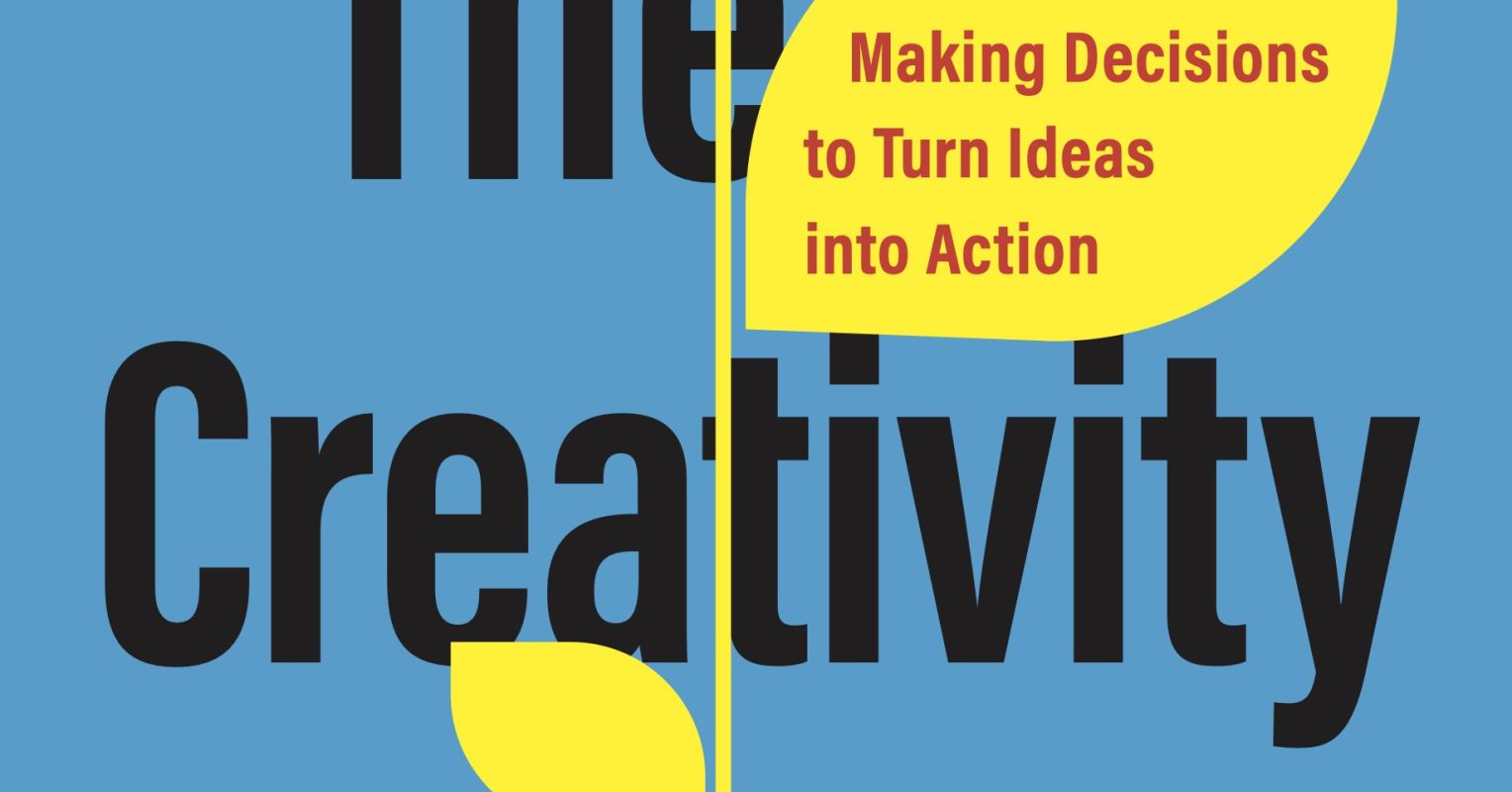
As outlined in my new book, The Creativity Choice, three groups of questions can chart the path from ideas to performances and products: (1) How do we get started?; (2) What know-how is necessary to persist on long-term creative work?; and (3) When is one-time creativity going to become consistent creativity?
How Do We Get Started? Or Fail To Do So
If we never get started on developing new and potentially creative ideas, it means we encountered barriers we found insurmountable.
Creativity research points to two groups of major barriers. One is about the uncertainties of the creative process, which are psychologically experienced as risks. Intellectual risk comes from the uncertainty about whether we can rise to the occasion of creative work. Can I write this book? Will I be able to learn what I need to make it happen?

Creativity also involves reputational risk. What will people think of my work? Would they find it silly? Would important judges [supervisors, teachers, reviewers] be offended or angered? The experience of these risks is uncomfortable, and we want to avoid the discomfort. Importantly, research shows that creative individuals are not necessarily risk-seekers. Rather, they learn to tolerate measured risks.
The other big barrier to creative work is the lack of creative confidence. The assumption people often make is that they need full, doubt-free confidence. There certainly are people whose confidence is strong and forceful, but it is not necessary to get started.
Instead, it helps to remember that confidence is built through action and progress. We need just enough confidence to take us through the first task on a long project. Once we observe that we can tackle one task successfully, we will gain more confidence.
Another way confidence is built is by taking note and taking to heart what others around us think. A mentor believes you can do it? A supervisor is trusting you with a project? Chances are they have noticed something about you that you might not be aware of yet. Research shows that when we pay attention to such opinions of others, our confidence grows too.
What Do We Need to Know to Persist on Long-Term Creative Work?
Creativity is successful when a lot of psychological resources (in addition to material resources) come together. There isn’t a single answer to the question above and there is no six-step process that will make it possible to realize creative ideas, no matter how much the self-help industry wants us to believe in it. Rather, to make creativity work, we need to develop and manage our creative drive, learn how to identify problems and develop solutions, and develop skills to manage the emotional side of creativity, both when we are making progress and when we experience creative block.
Research shows that many of our intuitions about these questions tend to lead us astray:
- Creative drive is rooted in energizing passion. But contrary to popular slogans, it is not something we find. Rather, we develop passion(s) by trying out different activities and deepening interest in them.
- Research shows that approximately 70% of people in different countries believe that creativity is highest when people have full freedom. Yet, perhaps paradoxically, thinking tends to be more original when embracing constraints (even if they create emotional tension).
- Problem finding is a way to effective problem solving. Problem finding does not mean just identifying a worthy subject, but it also means asking questions and exploring different perspectives. Successful creative work, whether it is an artist working on a still life or a team solving an open-ended problem, involves more time on problem finding than on generating ideas.
- If we attend to our emotions (as opposed to pushing them away), they can become a source of inspiration. If a supervisor notices their workers getting burned out, they can (a) dismiss it; (b) direct them to a stress management program; or (c) consider and innovate around the root causes of their experiences. The last option will have by far the greatest effect.
- Sometimes emotions get in the way of creative work, especially at times of creative block. Understanding the process of how emotions arise can suggest when and how to apply strategies to manage emotions. This does not mean going quickly from being engulfed in frustration to being happy, but it can take the edge off feeling overwhelmed.
When Is One-Time Creativity Going to Become Consistent Creativity?
The key to making creativity repeatable beyond a single project is in its social side. Reaching out to those at the edges of our social networks, people who we meet through friends or colleagues, is helpful when we need new perspectives. They are likely to have different backgrounds and experiences and help nudge our thinking in unexpected directions. But when we are looking to develop ideas, help is most likely to come from close relationships with friends or colleagues who will start by acknowledging our ideas (because they care about us!) and build on them.
Creativity Essential Reads
When creativity happens in organizations, something else is important too—leadership and climate for creativity and innovation. Leaders signal with their actions what is accepted and expected. If they shut down ideas (even for seemingly reasonable reasons, such as money) or if they have the attitude of “don’t bring me problems, bring me solutions”, they are communicating in action that creativity is not welcome. And that colors what those working with them do.


