


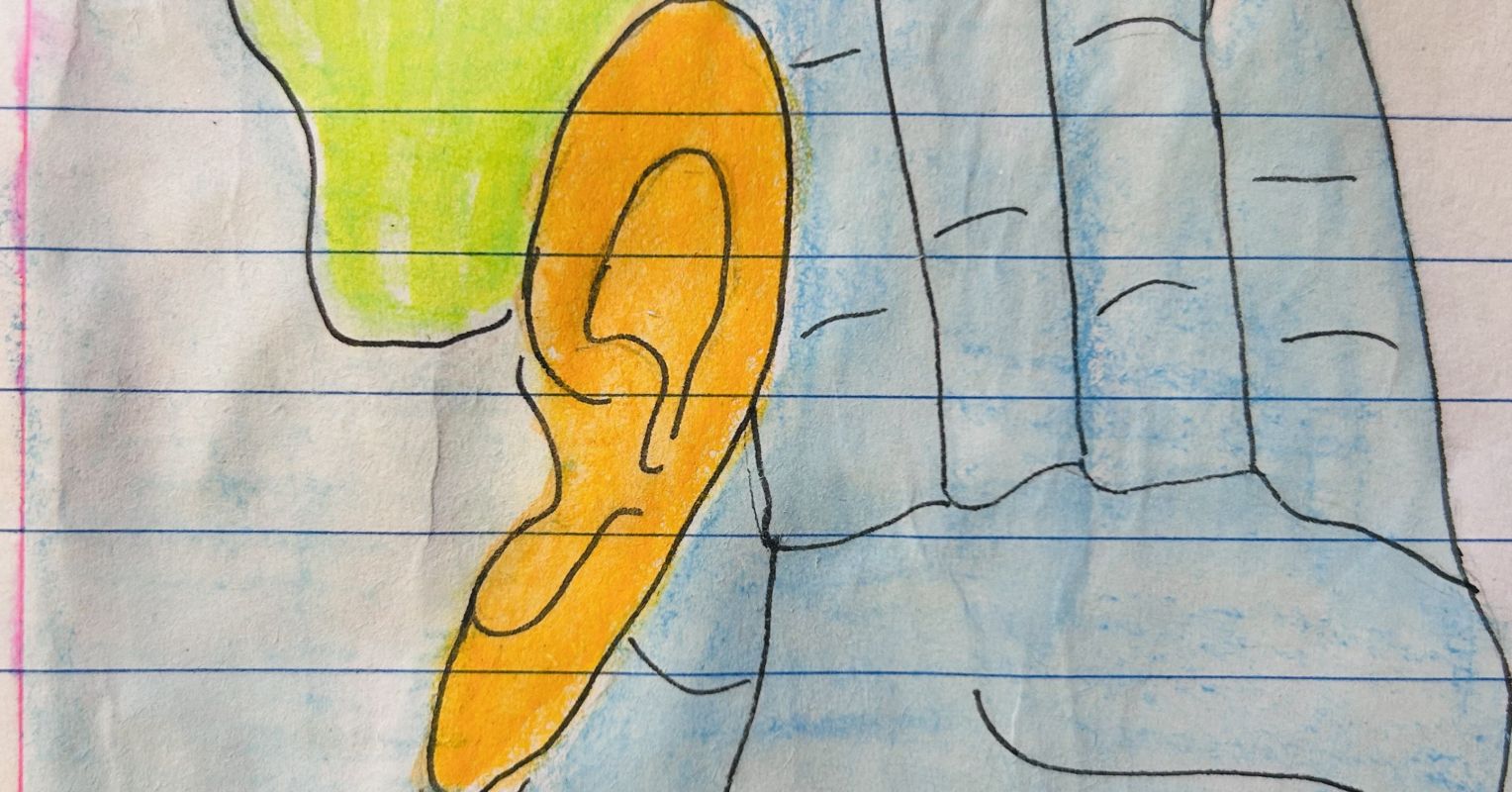
Listening just might be the magic key for building friendships. We need those keys more than ever, as loneliness is still affecting a majority of college students.
According to Dr. Vivek H. Murthy, “Loneliness and isolation represent profound threats to our health and well-being. But we have the power to respond.”

One of the best ways to respond to loneliness is building the skill of listening to each other. Attentive listening facilitates awareness, understanding, and empathy.
1. Check Your Body Language
Our body language conveys the quality of our listening. Having an open face and body shows others that you are available. Make eye contact if possible. Turn your body toward the person you are listening to. Notice if your arms are crossed, creating a physical barrier between you and the other person. If it feels authentic, nod and gesture to convey that you are listening.
2. Put the Phone Away
It needs to be said: Phone use gets in the way of authentic listening. If you look down at your phone and send a quick text, you have told the person you are talking to that they do not command your full attention. If you intend to have a deep conversation and listen closely, put your phone on silent and put it away.
3. Ask Open-Ended Questions

Open-ended questions reflect your own curiosity and intention to learn about the other person. They are invitations for the person to share their thoughts and ideas, to reflect more deeply and broadly. Open-ended questions usually start with how, what, or why.
4. Reflect Back What Others Say
From time to time, restate or clarify what you have heard the other person say. This lets the other person know that they have been heard correctly and prevents you from misunderstanding. Reflecting back is only about confirming your understanding, not giving your opinion or being judgmental.
5. Remember to WAIT
In general, but especially when your intention is to listen deeply, avoid giving advice or expressing your opinion unless the person expressly requests it. A good acronym to remember is WAIT, which stands for “Why am I talking?” We all want to jump in and help solve a situation or connect the situation to our own experience. Those aren’t bad impulses, but be patient and don’t rush in or interrupt the person. Sometimes, the best thing we can do is to allow others to have time and space to express themselves so they can figure out a solution for themselves.
When to Seek Professional Help
If you are struggling to listen to people, for any reason, consider seeking help, whether from a counselor, clergy, or a trusted mentor. Struggling to listen to others could be a symptom of many issues that can be hard to tease apart, such as anxiety, attention-deficit disorder, autism issues, or depression.
Listening can be hard. It takes courage to be truly present with someone and want to hear their truth. Yes we want to share about ourselves, but we need to keep it balanced and also learn about the other person. This will help us connect more deeply and fight the loneliness that is so present for many of us.
To find a therapist, visit the Psychology Today Therapy Directory.
