



You might not realize that the act of learning often mirrors the dynamics of your unconscious mind, revealing repressed desires and unresolved conflicts. As you engage with new ideas or skills, you're not just acquiring knowledge; you're also unearthing layers of your identity shaped by past experiences. This journey can be uncomfortable, yet it's essential for fostering resilience. What, then, might your learning experiences reveal about those hidden aspects of yourself, and how could they transform your understanding of both your capabilities and your limitations?
Main Points
- Learning fosters self-awareness and personal growth by confronting repressed desires and fears.
- Understanding different learning styles enhances engagement and promotes effective personal development.
- Overcoming barriers through goal-setting and structured environments is essential for effective learning.
- Technology provides diverse resources and collaborative tools that enrich the learning experience.
- A nurturing learning environment, influenced by physical space, enhances emotional receptivity and focus.
The Importance of Learning
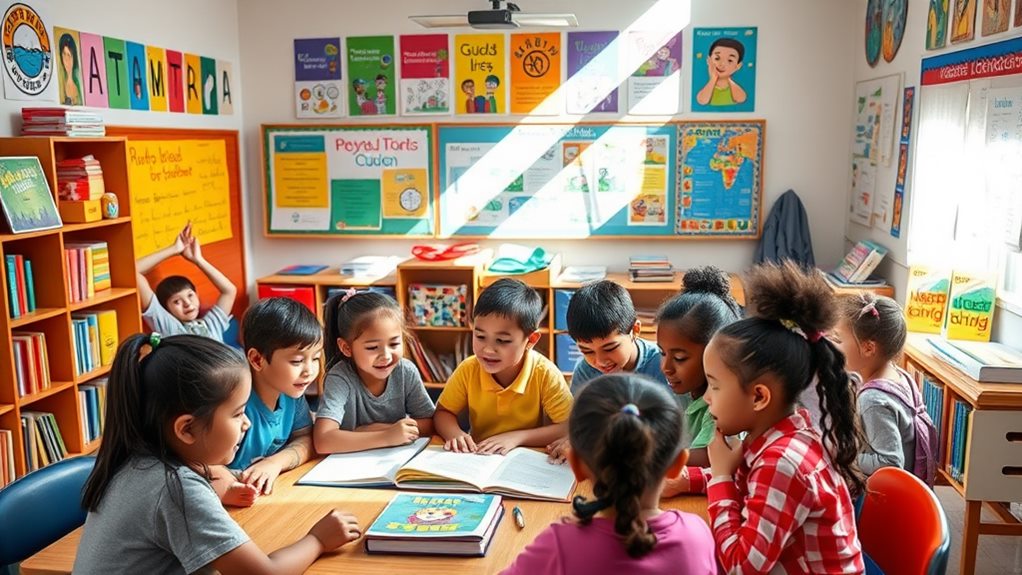
In the labyrinth of the mind, learning serves as an essential key to open the door to self-awareness and personal growth. Each experience you encounter becomes a thread in the intricate tapestry of your psyche, weaving together the conscious and unconscious layers of your identity. Through learning, you confront repressed desires and latent fears, allowing them to surface and be examined. Engaging in new knowledge can also aid in cognitive rehabilitation, providing techniques that enhance memory and attention, critical for those facing cognitive challenges, such as those highlighted in cognitive rehabilitation.
When you engage in new knowledge, you're not just absorbing facts; you're delving into the shadows of your psyche, illuminating aspects that may have remained hidden. This process can be uncomfortable, as it often forces you to confront contradictions within yourself. Yet, this discomfort is a fundamental part of your evolution.

Learning becomes a mirror, reflecting your inner world back at you and revealing patterns that shape your thoughts and behaviors. By actively participating in this journey, you cultivate a deeper understanding of who you are and who you can become. Embracing this transformative experience empowers you to navigate the complexities of life, fostering resilience and adaptability in the face of challenges. In doing so, you reveal the potential for profound personal growth.
Types of Learning Styles
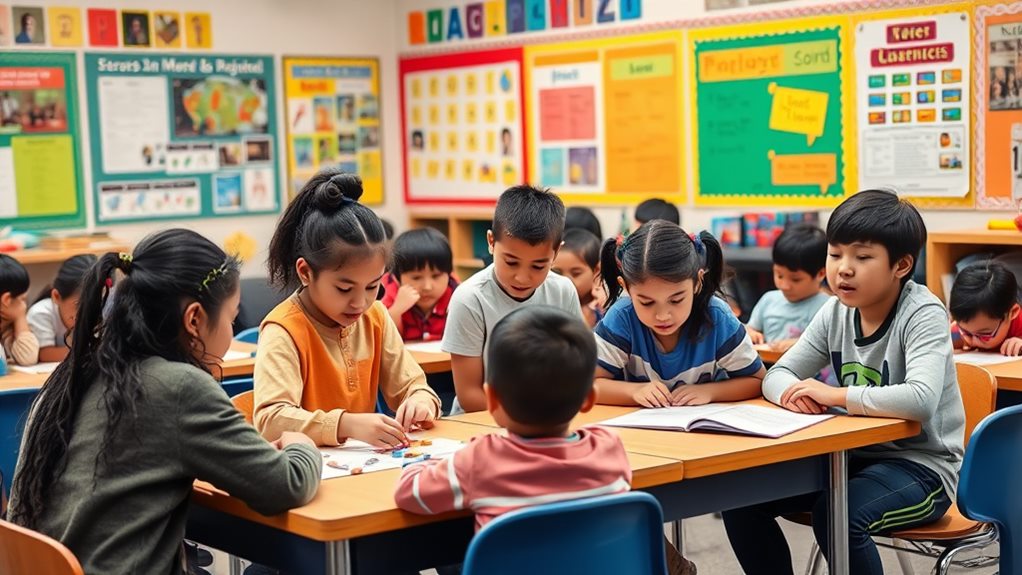
While you navigate the diverse landscape of your mind, recognizing your unique learning style can considerably enhance your educational journey. Each style—visual, auditory, and kinesthetic—serves as a symbolic lens through which you interpret the world. Your unconscious preferences shape how you absorb information, disclosing layers of your psyche that impact your learning. For instance, recent studies in cognitive psychology highlight the strong links between brain function and behavior, suggesting that understanding these connections can further optimize your learning process.
If you find yourself drawn to images, graphs, and diagrams, you may embody the visual learner, where symbols foster deeper understanding. The auditory learner, on the other hand, thrives in the domain of sound, reflecting an inner dialogue that resonates with spoken words and discussions. Kinesthetic learners, deeply connected to their physicality, often channel their energy into hands-on experiences, embodying the lesson with every movement. These distinct learning styles highlight the diverse ways individuals engage with and absorb information, each requiring tailored approaches to maximize their potential. By incorporating language processing techniques and methods, educators and learners can bridge gaps between these styles, creating adaptable strategies that cater to visual, auditory, and kinesthetic preferences. Ultimately, understanding these variations fosters a more inclusive and effective learning environment for everyone.

Understanding these styles isn't just about categorizing yourself; it's about uncovering the underlying desires that influence your approach. The unconscious patterns that emerge can reveal hidden motivations, guiding you toward methods that resonate with your core self. By embracing these insights, you can craft a learning experience that's more aligned with your intrinsic nature, paving the way for profound personal growth and understanding.
The Role of Technology
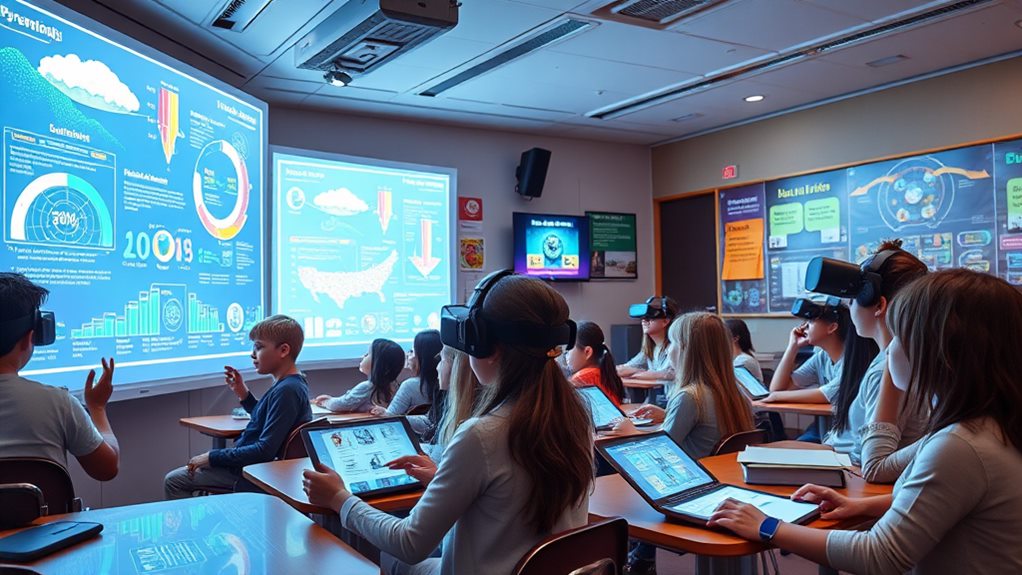
Embracing technology can unfasten new dimensions of your learning experience, transforming how you engage with information and ideas. This transformation often taps into the unconscious mind, revealing deeper meanings and connections. Technology serves as a mirror, reflecting your thoughts while simultaneously shaping them. In the domain of cognitive rehabilitation, for instance, cognitive training exercises leverage technology to improve memory and attention, showcasing its potential to enhance cognitive functions.
Consider how these tools redefine your educational journey:
- Interactive platforms stimulate curiosity, awakening latent desires for knowledge.
- Digital resources provide a vast array of symbols and meanings, allowing for personal interpretation.
- Collaborative tools foster connections, echoing the human need for community and shared understanding.
- Data analytics offer insights into your learning patterns, illuminating unconscious motivations.

Through technology, you can explore and confront your inner thoughts, fears, and aspirations. Each click, each interaction is a step towards unraveling the complex layers of your psyche. The screens you engage with don't just display information; they become a conduit for self-discovery. As you navigate this digital landscape, remember that it's not merely about acquiring knowledge, but also about understanding yourself and your place within the broader tapestry of learning. Embrace this journey—it's where technology and the depths of your mind converge.
Lifelong Learning Benefits

Lifelong learning opens doors to a deeper understanding of yourself and the world around you. As you engage in this continuous journey, you tap into the unconscious layers of your psyche, revealing desires, fears, and motivations previously hidden. Each new skill or piece of knowledge becomes a symbolic key, revealing aspects of your identity and broadening your worldview. This process can often lead to cognitive dissonance, as you may find your new insights conflicting with long-held beliefs or attitudes.
Consider how learning transforms your internal narrative. The experiences you gather not only enrich your mind but also reflect your evolving self-concept. Each lesson learned can be seen as a mirror, reflecting your strengths and vulnerabilities, prompting self-reflection and growth. This process invites you to confront the unconscious biases and assumptions that shape your interactions with others.

Moreover, lifelong learning nurtures resilience. As you adapt to new challenges, you develop coping mechanisms that echo through your relationships and endeavors. The unconscious mind thrives on patterns, and through lifelong learning, you create healthier ones that promote personal and emotional growth. Ultimately, by committing to this journey, you're not just acquiring knowledge; you're initiating an exploration of the self, fostering a richer, more nuanced existence.
Effective Learning Strategies

To access the full potential of your learning experience, it's essential to explore effective strategies that resonate with your unconscious mind. By tapping into the symbolic layers of your psyche, you can uncover deeper meanings behind your learning processes. Here are some strategies that might help:
- Visualization: Create mental images of concepts; this engages your unconscious and fosters retention.
- Associative Learning: Connect new information with existing knowledge; your brain thrives on patterns and relationships.
- Mindfulness Practices: Cultivate awareness in your learning; this enhances focus and allows for deeper cognitive integration.
- Reflective Journaling: Write about your learning experiences; this helps in processing emotions and insights that reside in your unconscious.
These strategies allow you to align both conscious effort and unconscious recognition, making your learning journey more profound. As you engage with these techniques, notice how they influence your understanding and retention. This symbolic exploration reveals hidden facets of your cognitive abilities, empowering you to embody your learning fully. Remember, your unconscious mind holds keys to learning; embrace them, and you'll find your experience enriched.
Overcoming Learning Barriers


When you confront barriers in learning, it's often a reflection of deeper, unconscious conflicts that shape your thoughts and behaviors. These barriers can manifest as anxiety, procrastination, or self-doubt, revealing your inner struggles. You might not realize that these feelings are tied to past experiences or unresolved issues that influence your current mindset.
To overcome these obstacles, start by engaging in self-reflection. Explore the root of your fears or hesitations; journaling can be a powerful tool. When you articulate your thoughts, you bring unconscious patterns to the surface, allowing for a clearer understanding of your barriers.
Consider the symbols that arise in your learning journey. Are there recurring themes or images that evoke strong emotions? These can provide insight into your psyche, revealing hidden motivations. By recognizing these symbols, you can begin to dismantle the barriers they represent.

Additionally, practice self-compassion. Understand that learning is a journey filled with ups and downs, and it's okay to stumble. Embrace the discomfort that comes with growth, and allow yourself to navigate through it. In doing so, you'll gradually break down the barriers and release your true potential.
Measuring Learning Progress

Measuring your learning progress isn't just about tracking grades or test scores; it's a deeper exploration of how experiences resonate with your psyche. Every piece of knowledge you acquire leaves a mark, a symbolic fingerprint that shapes your unconscious. Reflecting on your learning journey allows you to unearth the underlying motivations and desires that drive you.
Consider these aspects when evaluating your progress:
- Emotional Response: How do your feelings shift with new information?
- Cognitive Dissonance: Are there conflicts in your understanding that need resolution?
- Symbolic Representation: What metaphors or images arise when you think about your learning?
- Unconscious Patterns: Are there recurring themes that reveal deeper insights about your learning style?
Creating a Learning Environment
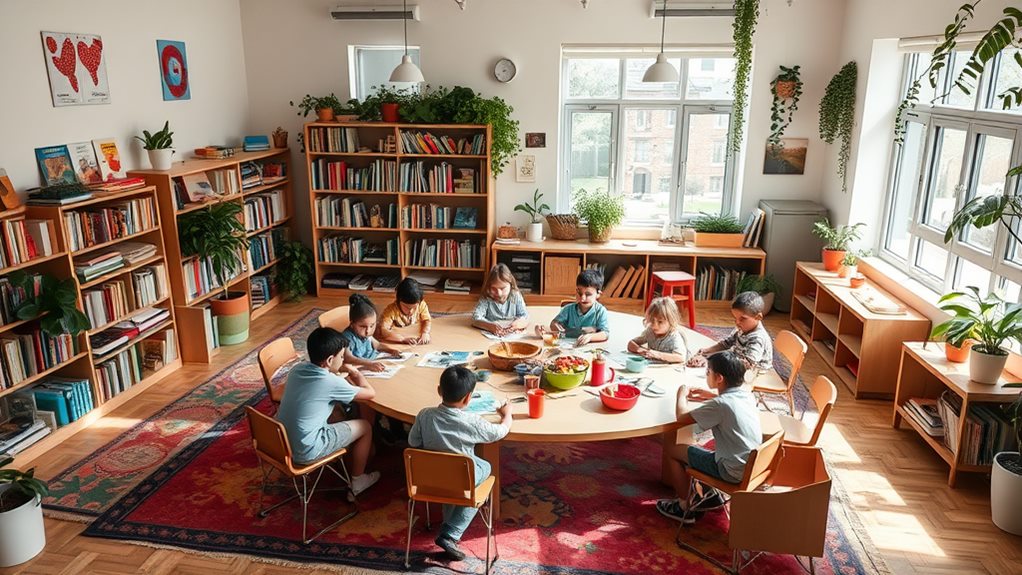

Amid the chaos of everyday life, creating a learning environment that nurtures your growth involves more than just a physical space; it's about cultivating an atmosphere where your unconscious can thrive. The intricacies of your mind reflect on the environment you build. Surround yourself with symbols that resonate with your aspirations—books, art, or objects that evoke curiosity. Each element speaks to your psyche, triggering latent desires and insights.
Consider the emotional landscape you foster. Lighting, color, and even sound contribute to the ambiance, influencing your mood and receptivity. Do you feel grounded and inspired, or distracted and anxious? Tune into these sensations; they're the echoes of your unconscious seeking expression.
Engage in rituals that signal to your mind that it's time to learn. Designate specific times for reflection, reading, or creative endeavors. These practices create a bridge between your conscious intentions and the deeper layers of your psyche.
Future Trends in Learning


Transformation shapes the future of learning, reflecting our evolving understanding of the mind's complexities. As you explore this domain, consider how your unconscious motivations and desires influence your educational journey. The landscape is shifting, integrating psychological insights to create more meaningful experiences.
- Personalized Learning: Tailored approaches resonate with your unique psyche, promoting deeper engagement.
- Emotional Intelligence: Recognizing the significance of emotions enhances your ability to connect with material and peers.
- Collaborative Environments: Shared experiences allow for projection and transference, enriching the learning experience through collective exploration.
- Mindfulness Practices: These techniques foster self-awareness, enabling you to access deeper layers of understanding.
As you embrace these trends, you unravel the symbolic narratives embedded in your learning experiences. Each interaction, whether with content or peers, serves as a mirror reflecting your inner world. By acknowledging the unconscious processes at play, you harness the power of transformation. The future of learning isn't just about acquiring knowledge; it's about understanding yourself. Embrace this journey, and let your mind's intricacies guide you toward new horizons.
Frequently Asked Questions
What Are Common Myths About Learning That People Believe?
You might believe that intelligence is fixed, but that's a myth. Your subconscious often clings to the idea that effort doesn't change potential. You may think that cramming is the best way to learn, yet it's the deeper connections that foster true understanding. Recognizing these myths helps you explore your inner motivations and reveals the hidden pathways of your mind, leading to a richer, more profound experience of knowledge and personal growth.
How Can I Motivate Others to Learn Effectively?
To motivate others, tap into their intrinsic interests and ignite inspiration. Start small, sparking curiosity with simple stories or striking symbols that resonate. Foster a friendly, fun atmosphere where fears fade and creativity flourishes. Create connections, encouraging collaboration and communication, allowing their subconscious desires to manifest. When you understand their motivations, you'll reveal their potential, transforming mundane moments into meaningful milestones that inspire lifelong enthusiasm. Empower them, and watch their passions blossom.
What Role Do Emotions Play in the Learning Process?
Emotions are powerful forces that influence your thoughts and behaviors. They can shape your perceptions, driving you to seek out experiences that resonate with your inner self. When you feel joy or curiosity, you're more likely to engage deeply with your surroundings. Conversely, fear or anxiety might push you away from certain situations. By understanding these emotional triggers, you can reveal deeper insights into your unconscious motivations and enhance your overall experience.
Can Learning Styles Change Over Time?
You may find that your preferences shift as you navigate different experiences and environments. Your unconscious mind absorbs these changes, influencing how you process information. As you encounter new challenges, you adapt, revealing latent styles buried beneath your conscious awareness. Each experience acts as a catalyst, prompting a reevaluation of your innate tendencies. Emotions tied to these experiences can further shape your approach, revealing the dynamic interplay between your psyche and evolving styles.
How Does Sleep Affect Learning and Retention?
You might notice how a restless night often leaves you foggy, struggling to recall even simple details. Sleep's not just a pause; it's an essential phase where your mind processes experiences, weaving them into your unconscious. Dreams symbolize your thoughts, helping to reinforce what matters. When you're well-rested, your brain's more receptive, enhancing retention. So, prioritize sleep; it's the silent architect shaping your understanding, bridging the gaps between consciousness and deeper knowledge.
Read The Next Blog Post –
As you navigate your learning journey, remember that 70% of adults believe they can improve their skills with effort. This statistic reflects the unconscious drive for growth and transformation that resides within you. Embrace the discomfort that comes with learning, as it reveals repressed desires and fears, guiding you toward self-discovery. By understanding your unique learning style, you access deeper connections with yourself and the world, fostering resilience and adaptability in every challenge you face.


