


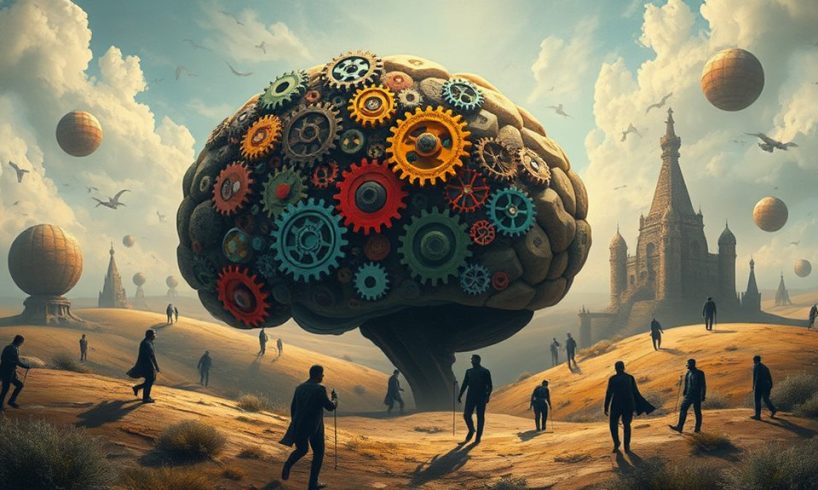
You might not realize how often cognitive biases influence your judgments and decisions. These systematic errors can subtly shape your perceptions, leading you to favor familiar information or cling to initial impressions. Consider how confirmation bias might skew your understanding of a controversial topic, or how anchoring effects could limit your decision-making potential. By identifying these biases, you could enhance your critical thinking skills and improve interactions with others. Yet, the question remains: how can you effectively mitigate these ingrained patterns in your daily life?
Main Points
- Cognitive biases are systematic deviations from rational judgment that affect decision-making and perception of information.
- Common types of cognitive biases include anchoring bias, confirmation bias, and the Dunning-Kruger effect.
- Cognitive biases can distort beliefs, leading to poor decisions and misinterpretation of information.
- Awareness of these biases is essential for improving critical thinking and fostering personal growth.
- Implementing strategies like seeking diverse perspectives can help mitigate the impact of cognitive biases.
Definition of Cognitive Biases

Cognitive biases are systematic patterns of deviation from norm or rationality in judgment, affecting how you perceive and interpret information. You might not even realize how these biases shape your thinking. They can distort your beliefs, influence your decisions, and lead you to draw erroneous conclusions. By understanding the definition of cognitive biases, you can start to recognize their presence in your daily life.
At their core, cognitive biases arise from the brain's attempts to simplify information processing. This simplification can be helpful, allowing you to make quick decisions in complex situations. However, it can also lead to significant misjudgments. For instance, when you rely on shortcuts or heuristics, you might overlook critical data or overemphasize certain details, skewing your perspective. Cognitive biases can also play a role in cognitive disorders, where impaired reasoning may exacerbate decision-making challenges, highlighting the need for cognitive rehabilitation strategies to address these issues effectively.

It's essential to reflect on how these biases affect your interactions and choices. Are you aware of the assumptions you make? Do you acknowledge the limitations of your reasoning? By examining your thought processes, you gain insight into how cognitive biases operate and influence your understanding of reality. Ultimately, this awareness can empower you to challenge your assumptions and foster more rational decision-making.
Types of Cognitive Biases

Many individuals encounter a variety of cognitive biases that can subtly influence their thoughts and behaviors. Understanding these biases can illuminate why you sometimes make irrational decisions. For instance, the anchoring bias affects how you interpret information. When you focus too heavily on the first piece of information you receive, it can skew your judgment, leading you to make less informed choices. This is particularly relevant when considering how cognitive processes influence recovery in various contexts, such as brain injury rehabilitation.
Another key type is the availability heuristic, where you rely on immediate examples that come to mind. This can distort your perception of reality, making rare events seem more common than they are. Similarly, the Dunning-Kruger effect illustrates how those with limited knowledge may overestimate their abilities, while experts often underestimate their competence.

You might also experience the bandwagon effect, where you adopt beliefs because others do, rather than through critical analysis. This can hinder your ability to form independent opinions. Each of these biases serves as a reminder of the complexities in human cognition and the importance of self-awareness. By recognizing these biases in your own thinking, you can endeavor for more balanced and rational decision-making processes.
Confirmation Bias

As you explore the intricacies of cognitive biases, confirmation bias stands out as a particularly pervasive influence on your thought processes. This bias leads you to favor information that confirms your preexisting beliefs while disregarding evidence that contradicts them. It's not just a minor quirk; it can considerably shape your worldview. Research has shown that cognitive disorders, such as those resulting from traumatic brain injuries, can further complicate how individuals process information and reinforce biases, making it even more challenging to confront differing viewpoints cognitive declines from injury.
- You might find yourself seeking out news sources that align with your opinions.
- Engaging in discussions where only your viewpoint is validated reinforces your existing beliefs.
- You may overlook or misinterpret facts that challenge your perspectives.
This tendency can have profound implications. It creates echo chambers, where your thoughts become increasingly rigid and insulated from alternative viewpoints. Reflecting on your experiences, you might realize how confirmation bias has affected your decision-making and relationships. Are you genuinely considering other perspectives, or are you merely reinforcing what you already believe? This introspection is essential for personal growth and understanding.
Anchoring Bias


Anchoring bias often serves as a mental reference point that greatly influences your judgments and decisions. When you encounter an initial piece of information, whether it's a number, a fact, or an opinion, it tends to stick in your mind and shape your subsequent evaluations. This tendency can lead you to give disproportionate weight to the anchor, skewing your perception of reality. For instance, cognitive dissonance can play a role when individuals are faced with conflicting information that challenges their anchors, leading to discomfort and a potential shift in beliefs or attitudes common examples.
Consider how a high initial price might frame your expectations for a product's value, even if subsequent discounts make it seem like a bargain. You might find yourself evaluating the deal based on that original price rather than its actual worth. This cognitive shortcut can distort your decision-making process, nudging you toward suboptimal choices.
Reflecting on your experiences, you might recognize instances where anchoring affected your opinions, such as when negotiating a salary or making a significant purchase. Being aware of this bias can empower you to question your first impressions and seek out additional information. By actively challenging these anchors, you can aim for a more balanced perspective, ultimately enhancing your decision-making skills and reducing the likelihood of being led astray by arbitrary reference points.
Availability Heuristic
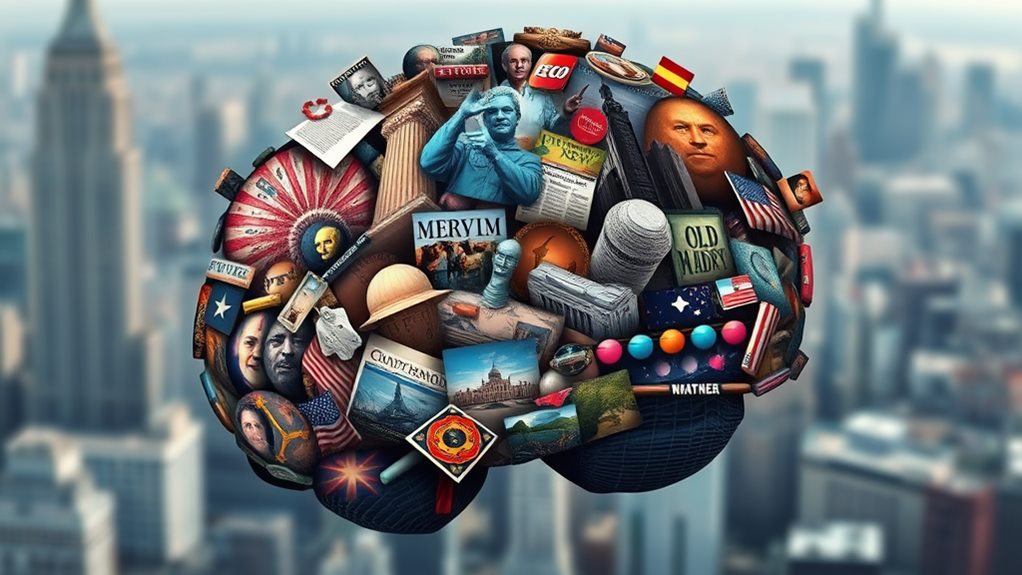

After considering how anchoring bias shapes decisions, it's important to explore another cognitive shortcut: the availability heuristic. This mental shortcut influences your judgment based on how easily examples come to mind. The more vivid or recent an experience is, the more likely it is to shape your perception of reality.
- You might overestimate the risk of plane crashes after watching a news report about one.
- When thinking about health issues, you may prioritize information about popular diseases rather than less-publicized ones.
- Your perception of crime rates can be skewed by sensational stories in the media.
Dunning-Kruger Effect

How often do you find yourself overestimating your abilities in areas where you lack expertise? The Dunning-Kruger Effect illustrates this cognitive bias, where individuals with low competence tend to overrate their skills. It's almost paradoxical; the less you know, the more confident you might feel. This phenomenon suggests that without sufficient knowledge, you're not only unaware of your limitations but also unable to recognize the expertise of others.
You might think of how this plays out in everyday situations—perhaps you've faced a task that seemed simple, only to realize its complexities later. This effect can lead to misplaced confidence, resulting in poor decision-making. You may also notice it in others, where their inflated self-assessment creates friction in teamwork or discussions, as they dismiss valuable insights from more knowledgeable peers.

Reflecting on your own experiences, consider how acknowledging your limits could enhance your learning. By accepting that expertise is a journey rather than a destination, you open the door to growth. The Dunning-Kruger Effect serves as a reminder to remain humble and seek feedback, helping you navigate the complexities of both personal and professional development.
Hindsight Bias
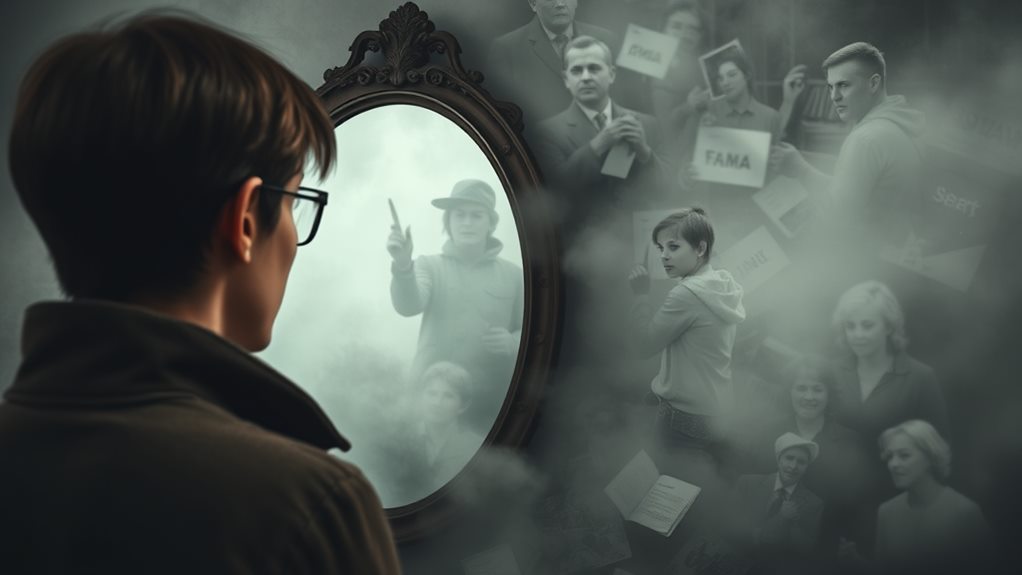
Experiencing hindsight bias can often lead you to believe that you "knew it all along" after an event has unfolded, creating a false sense of clarity about past decisions. This cognitive distortion can skew your perception of reality and impact your future choices. You might find yourself questioning your past judgments, believing they were more obvious than they truly were.
- It can affect your confidence in decision-making.
- You may become overly critical of others' choices.
- It can hinder your ability to learn from past experiences.
Hindsight bias often emerges in discussions surrounding significant events, like sporting outcomes or political decisions. You tend to overlook the uncertainty that existed before the event, focusing solely on the outcome. This can create a misleading narrative, where you attribute greater foresight to your past self than was actually present.

In recognizing this bias, you can cultivate a more nuanced understanding of your decision-making processes. It encourages you to reflect not just on the outcomes but also on the complexity and unpredictability of the choices you faced. Ultimately, being aware of hindsight bias allows you to embrace uncertainty and improve your critical thinking skills.
Self-Serving Bias

In the domain of cognitive biases, self-serving bias stands out as a compelling distortion of self-perception. You might notice this bias when evaluating your successes and failures. When things go well, you likely attribute your achievements to your skills or hard work. However, when faced with setbacks, you might shift the blame to external factors, such as luck or circumstances beyond your control. This pattern can create an inflated sense of self-worth, skewing your understanding of both your capabilities and the reality surrounding you.
Introspectively, consider how this bias influences your relationships and decision-making. Do you recognize how this skewed perception affects your interactions with others? You may inadvertently dismiss valuable feedback, as you focus on defending your self-esteem rather than engaging in constructive dialogue. Additionally, this bias can lead to a lack of accountability, making it challenging to learn from mistakes.

Ultimately, self-serving bias can create a cycle that hinders personal growth. By acknowledging this tendency within yourself, you can begin to cultivate a more balanced view of your contributions and failures, leading to deeper self-awareness and improved relationships moving forward.
Impact on Decision-Making

Self-serving bias doesn't just shape your self-perception; it also greatly impacts your decision-making processes. When you evaluate situations or outcomes, you tend to favor information that enhances your self-image. This can lead to skewed judgments, where you might overlook critical data or alternative perspectives that don't align with your beliefs.
Consider these effects on your decisions:
- You may attribute success to your abilities while blaming external factors for failures.
- You might ignore valuable feedback that contradicts your self-view, limiting personal growth.
- You could make choices driven by ego rather than reason, impacting relationships and opportunities.

This bias can create a cycle where your decisions reinforce your initial beliefs, making it difficult to assess situations objectively. You may find yourself trapped in a bubble of self-justification, which can hinder effective problem-solving. As a result, your choices might not only affect you but also those around you, leading to conflicts or missed collaborations. By recognizing the influence of self-serving bias, you can begin to understand how your decision-making might be compromised, paving the way for deeper insights into your behavior and its consequences.
Strategies to Mitigate Biases

While biases can cloud your judgment, employing specific strategies can help you mitigate their effects and enhance decision-making. First, cultivate self-awareness by regularly reflecting on your thought processes. Ask yourself how your feelings and experiences might be influencing your conclusions. This introspection can reveal underlying biases and encourage a more objective viewpoint.
Next, seek diverse perspectives. Engaging with individuals who hold different viewpoints challenges your assumptions and broadens your understanding. When you encounter contrasting opinions, it forces you to reassess your stance and consider alternative explanations.
Additionally, implement a structured decision-making process. Use frameworks like pros and cons lists or decision matrices to evaluate options systematically. This approach minimizes emotional influence and emphasizes rationality.
Frequently Asked Questions
How Do Cognitive Biases Affect Everyday Interactions?
In your daily interactions, you often make quick judgments based on your past experiences and perceptions. These judgments can shape how you respond to others, influencing your communication style and the relationships you build. You might overlook important details or misinterpret intentions, leading to misunderstandings. By being aware of your thought patterns, you can foster clearer communication and more meaningful connections, ultimately enhancing your interactions with those around you.
Can Cognitive Biases Be Completely Eliminated?
Imagine trying to erase a shadow on a sunny day; it's nearly impossible. Similarly, you can't completely eliminate cognitive biases. They're ingrained in human nature, shaping your perceptions and decisions. While you can't eradicate them, you can learn to recognize and mitigate their effects. By cultivating awareness and critical thinking, you can navigate your thought processes more effectively, allowing for clearer understanding and better choices, even in the presence of these inherent biases.
Are Cognitive Biases More Prevalent in Certain Professions?
Certain professions demand specific decision-making styles, which can make biases more pronounced. For instance, if you're in high-pressure environments like finance or healthcare, you might notice how stress influences your judgment. Similarly, creative fields may encourage subjective interpretations, leading to different biases. By reflecting on how your work environment shapes your thought processes, you can identify patterns and work towards mitigating those influences, ultimately enhancing your professional decision-making.
How Do Cultural Factors Influence Cognitive Biases?
Cultural factors shape your perceptions and decision-making processes notably. You might notice that values, traditions, and social norms influence how you interpret information and respond to situations. For instance, in collectivist cultures, you may prioritize group harmony over individual opinion, impacting your judgments. Similarly, cultural narratives can frame your understanding of success and failure, leading to differing responses based on your background. Recognizing these influences can help you navigate biases more effectively.
What Role Do Emotions Play in Cognitive Biases?
Did you know that nearly 95% of your decisions are influenced by emotions rather than logic? When you face a situation, your feelings can distort your judgment, leading you to favor certain outcomes or information that aligns with your emotional state. This emotional bias can cloud your reasoning, making you less objective. By recognizing how emotions shape your perceptions, you can better navigate your choices and aim for more balanced decision-making.
Read The Next Blog Post –
In the labyrinth of your mind, cognitive biases lurk like cunning shadows, distorting your path to clarity. They twist your perceptions, leading you to decisions that resemble a house of mirrors—familiar yet utterly misleading. By recognizing these biases, you can arm yourself with the tools to cut through the fog and reclaim your rationality. Embrace this journey of introspection, and watch as your decision-making transforms from chaotic to crystal-clear, illuminating the way to personal growth and deeper understanding.


