


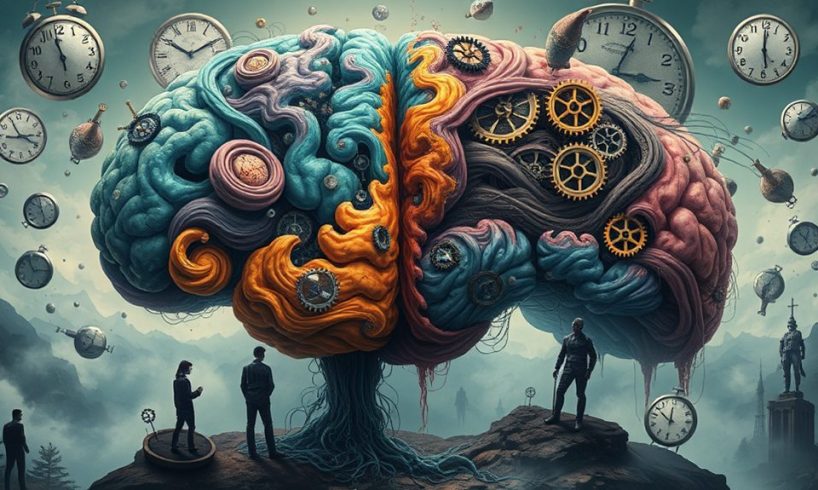
Like a fragile thread in a tapestry, your cognitive faculties weave the fabric of your identity, yet what happens when those threads begin to fray? You find yourself traversing a landscape where memories slip through your fingers, and thoughts scatter like autumn leaves before the wind. In this labyrinth of mind, every corner turned reveals deeper questions about the self and the shadows lurking within. As you ponder the nature of these cognitive shifts, consider what they might disclose about resilience and transformation, beckoning you to explore the hidden depths of the psyche.
Main Points
- Cognitive disorders impair mental processes such as memory, thinking, and reasoning, significantly impacting daily life and identity.
- Common types include dementia, ADHD, and amnesia, each with unique symptoms and challenges.
- Symptoms often involve memory lapses, confusion, concentration difficulties, emotional changes, and language problems.
- Diagnosis requires thorough assessment through interviews and psychological tests to understand cognitive impairments.
- Treatment options include cognitive behavioral therapy, medication management, lifestyle modifications, and cognitive rehabilitation to enhance functioning.
Overview of Cognitive Disorders
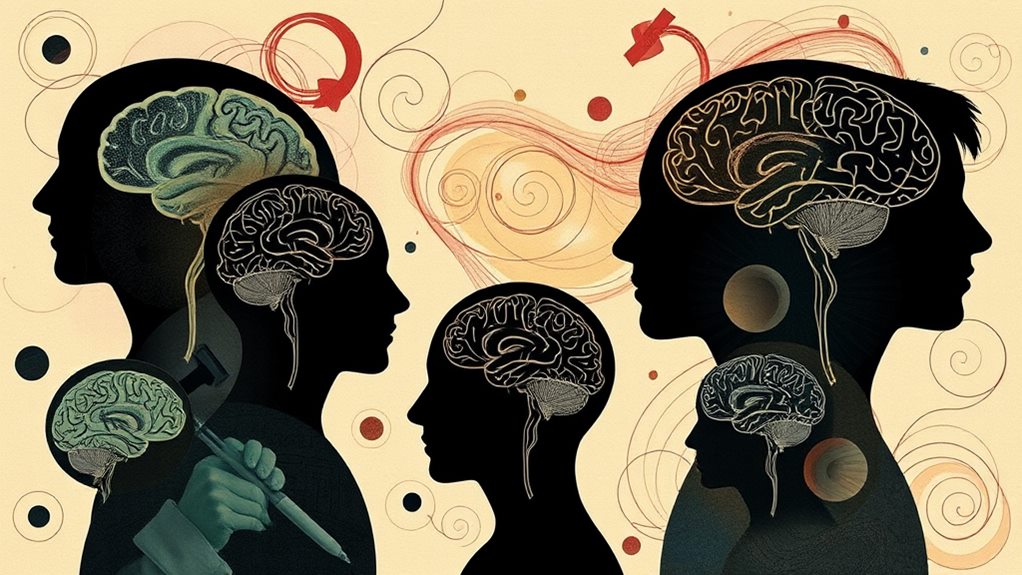
Cognitive disorders, encompassing a spectrum of conditions, disrupt our mental processes, shaping how you perceive and interact with the world. These disorders often act like fog, obscuring clarity and distorting your thoughts. Severe brain injuries, for instance, can lead to complex cognitive impairments, making it increasingly difficult to navigate daily life evidence suggests therapy aids recovery. You might find it challenging to grasp the threads of reality, as if your mind is a labyrinth, filled with twists and turns that lead to confusion rather than understanding.
Every thought can feel like a fragile glass sculpture, easily shattered by the weight of memory loss or attention deficits. You grapple with fragmented pieces of your cognitive self, working to reconstruct the bigger picture. The symbols of your mind—ideas, memories, emotions—become entangled, creating a tangle of dissonance that echoes through your daily life.

In this introspective journey, you confront the shadows of your psyche, exploring the depths of your cognitive landscape. You realize that awareness is both a burden and a gift; it compels you to seek understanding and, ultimately, healing. By acknowledging these disruptions, you set out on a path toward rediscovery, where the fog may lift, revealing the vibrant tapestry of your mind and the potential for transformation that lies within.
Types of Cognitive Disorders
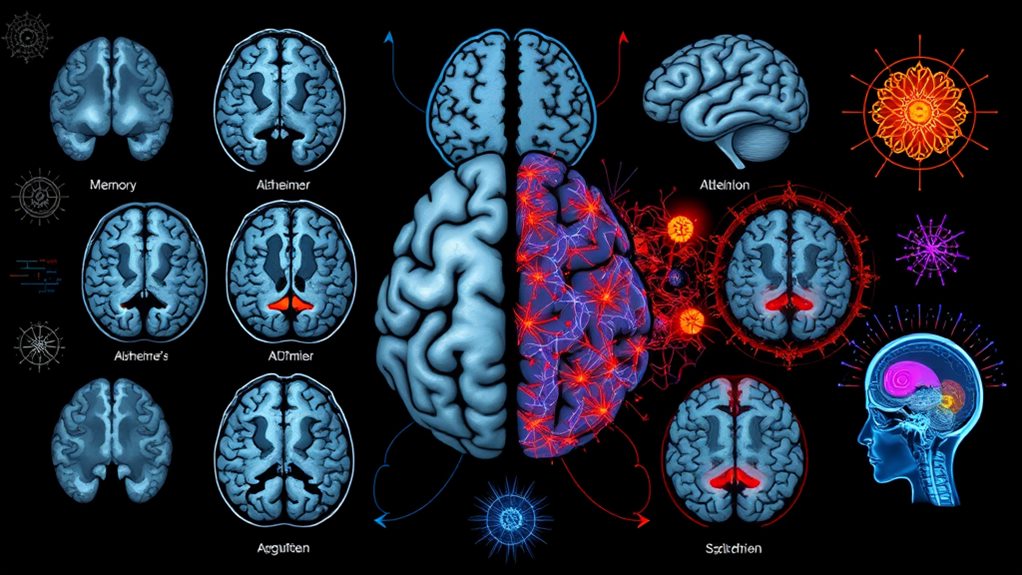
Throughout your life, you may encounter various types of cognitive disorders that shape your experiences and perceptions. Each type serves as a mirror reflecting the complexities of your mind. Understanding these disorders can help you navigate the intricate landscape of your thoughts and feelings. Cognitive disorders can lead to significant challenges in daily living, making it essential to explore treatment options and support systems, such as cognitive rehabilitation programs aimed at enhancing functioning.
- Dementia: Often symbolizing the gradual erosion of self, dementia leads to memory loss and cognitive decline, challenging your sense of identity.
- Attention Deficit Hyperactivity Disorder (ADHD): This disorder manifests as a restless spirit, where distractions pull you from your intentions, urging you to seek focus amid chaos.
- Amnesia: A profound loss of memory, amnesia highlights the fragility of recollection, leaving you to ponder the essence of who you are without your past.
Each cognitive disorder represents not just a clinical label, but a rich tapestry of human experience. As you explore these types, you may find that grappling with them opens the door to deeper self-awareness. They invite you to reflect on how your mind constructs reality, revealing both the beauty and vulnerability of human cognition.
Common Symptoms


Five key symptoms often signal the presence of cognitive disorders, urging you to pay attention to the whispers of your mind. First, you might notice memory lapses, as if the pages of your life are mysteriously torn. This can leave you feeling disoriented, questioning the very fabric of your reality. Next, confusion may creep in, transforming familiar landscapes into bewildering mazes. You find yourself lost in thought, struggling to navigate even the simplest tasks.
Additionally, you may experience difficulties with concentration, your mind resembling a butterfly flitting restlessly from flower to flower, unable to settle. This scattered attention can breed frustration, echoing the chaotic symphony within. Emotional changes often accompany these cognitive struggles; perhaps you're more irritable or withdrawn, as if shadows have cast gloom over your inner world.
Lastly, language problems may emerge, manifesting as slips of the tongue or a struggle to articulate thoughts. Each symptom acts as a mirror reflecting your internal landscape, urging you to explore the depths of your psyche. Acknowledging these signs can be a powerful step toward understanding and healing, illuminating the path to reclaiming your cognitive well-being.
Causes and Risk Factors


Understanding the causes and risk factors behind cognitive disorders can help you unravel the complex tapestry of your mental health. Every thread in this tapestry represents a potential influence on your cognitive well-being. Some factors may be rooted in genetics, where inherited traits shape your mind's architecture. Others might stem from environmental influences, subtly molding your thoughts and behaviors.
Reflect on these potential contributors:
- Biological factors: Neurological conditions, hormonal imbalances, or chronic illnesses can disrupt cognitive function.
- Psychosocial influences: Stressful life events, trauma, or ongoing emotional distress may fragment your mental landscape.
- Lifestyle choices: Poor nutrition, lack of exercise, or substance abuse can erode the foundation of your cognitive health.
As you contemplate these elements, consider how they intertwine, creating a dynamic interplay that shapes your cognitive experience. By acknowledging these causes and risk factors, you gain insight into the deeper layers of your psyche. This understanding not only empowers you but also encourages a compassionate exploration of your cognitive landscape, revealing paths for healing and growth. Embrace this journey, for it's a crucial step toward nurturing your mental resilience.
Diagnosis and Assessment


Charting the intricate pathways of cognitive disorders often begins with a thorough diagnosis and assessment, much like an artist analyzing their canvas before painting. You stand before the complex interplay of thoughts, emotions, and behaviors, seeking to understand the underlying patterns that shape your perception of reality. This process isn't merely mechanical; it's an extensive exploration into the essence of your psyche.
As you navigate through interviews and psychological tests, each question acts as a brushstroke, revealing fragments of your inner landscape. The clinician, much like an empathetic observer, helps you articulate your experiences, peeling back layers of confusion and uncertainty. You reflect on your memory, attention, and reasoning, contemplating how these cognitive threads weave into the fabric of your daily life.
In this journey, self-awareness blossoms. You confront the shadows of your mind, recognizing not just the symptoms but the stories they tell. Each assessment tool serves as a mirror, reflecting both your struggles and strengths. It's a dance between vulnerability and resilience, guiding you toward a clearer understanding of your cognitive world. Ultimately, this introspective journey lays the groundwork for whatever comes next in your path to healing.
Treatment and Management Options


Steering through the labyrinth of treatment and management options for cognitive disorders invites you to engage deeply with the complexities of your mind. As you navigate this intricate maze, you'll find that understanding your psyche is crucial. In this journey, embracing various strategies can illuminate your path toward healing and self-discovery.
Consider these essential approaches:
- Cognitive Behavioral Therapy (CBT): This technique helps reshape negative thought patterns, guiding you toward positive self-reflection.
- Medication Management: Psychotropic medications can offer chemical support, balancing neurotransmitters that may be contributing to cognitive decline.
- Lifestyle Modifications: Engaging in regular physical activity, a balanced diet, and mindfulness practices can notably enhance your cognitive resilience.
As you explore these options, remember that each step you take helps you reveal layers of your consciousness. Each therapy session, every pill, and the choices you make daily are threads weaving a tapestry of recovery. Embrace the symbolism of this journey, for within it lies the power to reclaim your cognitive health and foster a deeper connection to your true self.
Frequently Asked Questions
How Do Cognitive Disorders Impact Daily Life Activities?

You wake up each day, maneuvering the intricate dance of thoughts and feelings. When distractions pull your focus, you find tasks slipping through your fingers like sand. Frustration builds as simple decisions morph into intimidating challenges, reflecting an internal struggle. You might feel isolated, as if trapped behind a glass wall, yearning for connection. Every moment becomes a mirror, revealing the depths of your mind, urging you to understand the complexity of your existence.
Are Cognitive Disorders Hereditary or Genetic?
You wonder about the threads of fate that weave through your family's tapestry. Genetics plays a significant role in shaping who you are, influencing traits and tendencies that echo through generations. As you reflect on your lineage, you might notice patterns that resonate within you. It's not just biology; it's a dance of experiences and memories, each step inviting you to explore deeper into your own psyche, seeking understanding in the shadows of inherited complexities.
Can Cognitive Disorders Be Prevented?
You often wonder if you can steer your life away from potential pitfalls. Prevention starts with awareness; by nurturing your mental health and embracing a balanced lifestyle, you cultivate resilience. Reflect on your environment and relationships, as they shape your inner landscape. Engage in mindfulness practices, for they serve as a mirror, revealing deeper truths. Ultimately, the journey lies within, where choices echo, and your mind's garden flourishes or falters based on your care.
What Role Do Lifestyle Choices Play in Cognitive Health?

Your lifestyle choices are the brushstrokes on the canvas of your health. By choosing a balanced diet, regular exercise, and mental engagement, you're crafting a vibrant picture of well-being. Neglecting these aspects can lead to a duller, less fulfilling existence. Reflect on how your daily habits shape your mind. When you prioritize sleep and social connections, you're not just living; you're nurturing your cognitive importance, ensuring your mental landscape flourishes.
How Do Caregivers Cope With Patients With Cognitive Disorders?
When you face the challenges of caregiving, you often navigate a maze of emotions. You're not just tending to needs; you're dancing with memories, desires, and fears. Each interaction can feel like a reflection of your inner world. You find solace in routines, yet struggle with unpredictability. Embracing self-care becomes essential, as you balance the weight of responsibility with the lightness of hope, creating a fragile equilibrium in a landscape of uncertainty.
Read The Next Blog Post –
In the labyrinth of the mind, cognitive disorders can feel like shadows lurking, obscuring your path. Yet, within this maze lies the potential for light—your resilience and capacity for change. Embracing this journey is akin to nurturing a garden; with patience and care, you can cultivate new growth amidst the weeds of confusion. As you navigate through, remember that each step symbolizes not just a struggle but also a reclaiming of your narrative, a reflection of your enduring spirit.


