


Before turning to the Three Wisest Men, this post continues my ongoing exploration of how Hallmark films illuminate real psychology concepts in family dynamics. In earlier posts, I’ve shown how holiday movies—though predictable—reveal complex family dynamics, how even picture-perfect romances are shaped by anxiety and self-sabotage, why many adults still seek parental approval, how breakups can become catalysts for healthier love, and how secrets affect family resilience. Three Wisest Men adds a new dimension to this discussion by highlighting the courage it takes to face major life transitions—and the leap of faith required to move through them.
Hallmark’s final effort in the Wise Men trilogy may contain holiday coziness, but its heart lies in something far more universal: the fears—and the possibilities—that come with major family transitions and change. Beneath the lighthearted dialogue and the Brenner Nutcracker dance, the film captures a set of deeply relatable crossroads that many adults encounter.

At its core, Three Wisest Men is about taking a leap of faith when life nudges you forward, especially when you’re not convinced you’re ready.
When Everyone Has to Let Go: Selling the Family Home Together
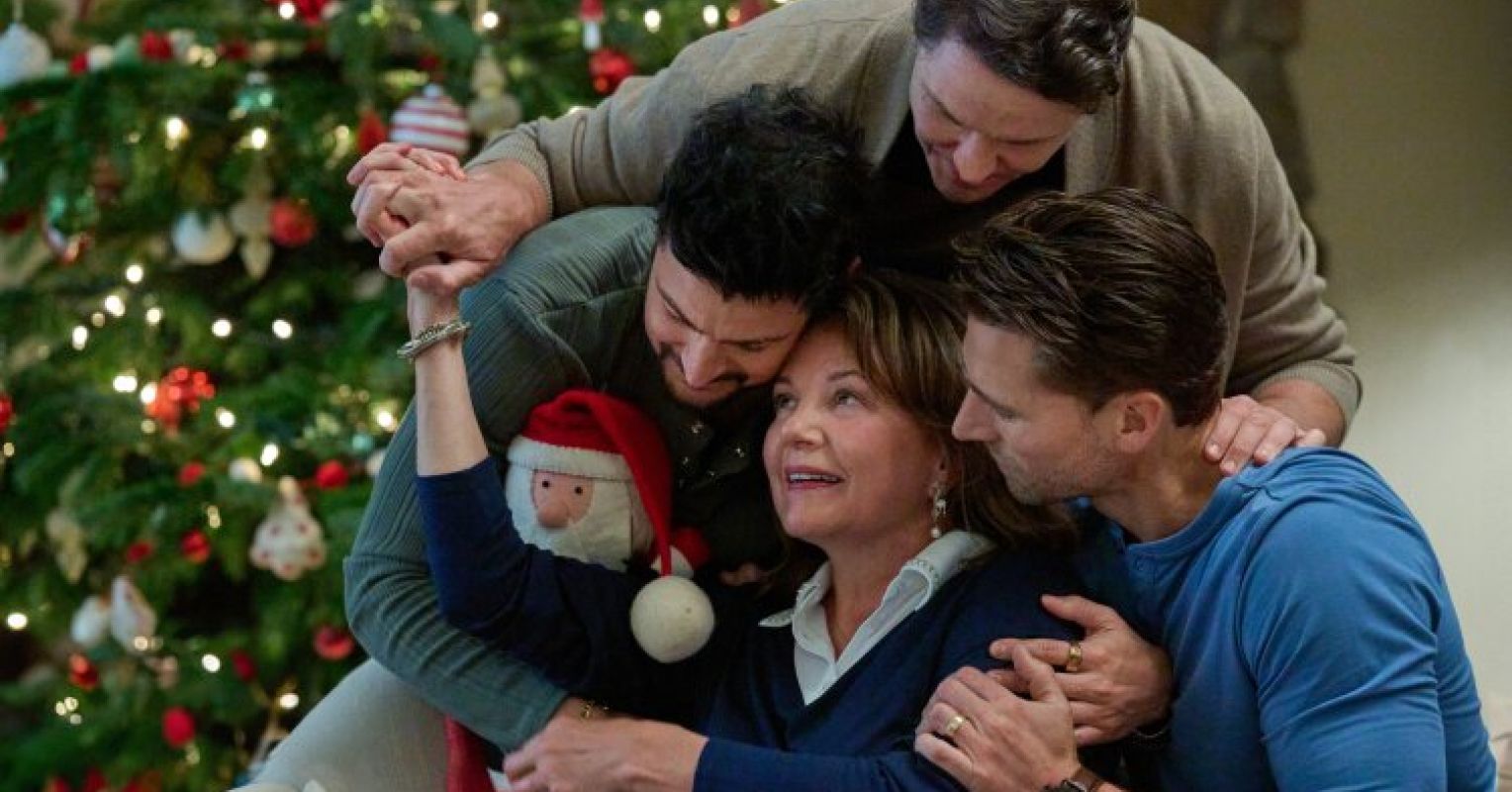
In this story, all three sons confront the emotional process that comes when they learn that their mother is selling their childhood home and question what this means for their sense of family and home. It’s a turning point for the entire family.
Family homes hold more than furniture. They hold memories, rituals, and the sense of who you were as a family. When siblings must collectively decide how to close that chapter, old roles can resurface: the responsible one, the sentimental one, the avoidant one. It can also lead to questioning what their roles are without the family home.

In Three Wisest Men, the sons learn that the end of a chapter doesn’t erase their foundation—it just invites them to create the next one in new spaces and in new states.
Moving In Together: The Courage of Stepping Toward Commitment
One storyline highlights the choice to accept a new job in a different state and to move in with a romantic partner—both exciting changes wrapped in uncertainty. The stakes seem overwhelming for Taylor Brenner (played by Tyler Hines) as we see him struggle with concerns that he is giving up too much independence, that he will be too far away from his family, and, ultimately, that he is making the wrong decision.
By showing the character’s hesitation and eventual openness, Three Wisest Men reinforces that intimacy requires risk—but also trust. When partners communicate honestly and allow themselves to be seen, the leap becomes growth rather than a gamble.
Wedding Planning and the Fear of Making the “Wrong” Decision
Another relatable thread is the anxiety around wedding planning. Weddings symbolize hope and commitment, but they also represent permanence—which can trigger fear. Stefan Brenner’s (played by Paul Campbell) inability to make decisions reaches a breaking point, and his fiancée questions whether they are even ready to take this next step.
Psychologists recognize this as decision fatigue mixed with fear of regret, both common during major transitions. Three Wisest Men normalizes this emotional swirl, showing that doubt doesn’t signal a bad relationship—it signals the magnitude of the moment.
Expecting Twins: Anxiety, Identity, and Readiness
Adding to the film’s emotional palette is the joyful panic of discovering that twins are on the way. Even seasoned adults can feel unprepared for parenthood; twins simply double the intensity. For the oldest Brenner brother, Luke (played by Andrew Walker), the added stress of not having a father while growing up adds even more pressure to be the perfect dad.
Family Dynamics Essential Reads
Instead of dismissing the anxiety, the characters lean into support, flexibility, and communication—the building blocks of strong family adaptation.
The Common Thread: Leaps of Faith Shape Families
Across these storylines—selling the family home, moving in together, wedding planning, and preparing for twins—the film sends a consistent message: every major transition involves stepping into the unknown. The Brenner family steps into the unknown with the support of one another and an expectation that perfection is not the goal.
Three Wisest Men invites viewers to reflect on their own transitions: the times they hesitated, the times they said yes anyway, and the ways those choices shaped who they became.
A Takeaway for Real Families
You don’t need to live inside a Hallmark movie to feel the weight of big decisions. Whether you’re navigating a family transition, taking a relationship step, or preparing for parenthood, it’s normal to fear getting it “right.”
But just like the characters, we grow by moving forward—not by waiting for perfect clarity.
