


For many autistic individuals, navigating school, work, and social spaces can feel like walking through a minefield.
The persistent feeling of being misunderstood is often compounded by a heartbreaking reality: systemic and social bullying.

Bullying is something that can be deeply ingrained in many autistic people’s lived experiences, where the trauma often shapes individuals well into adulthood.
This guide explores why the autistic community faces such disproportionate rates of bullying, what those unique experiences look like, and how society must evolve to create genuinely safe environments.
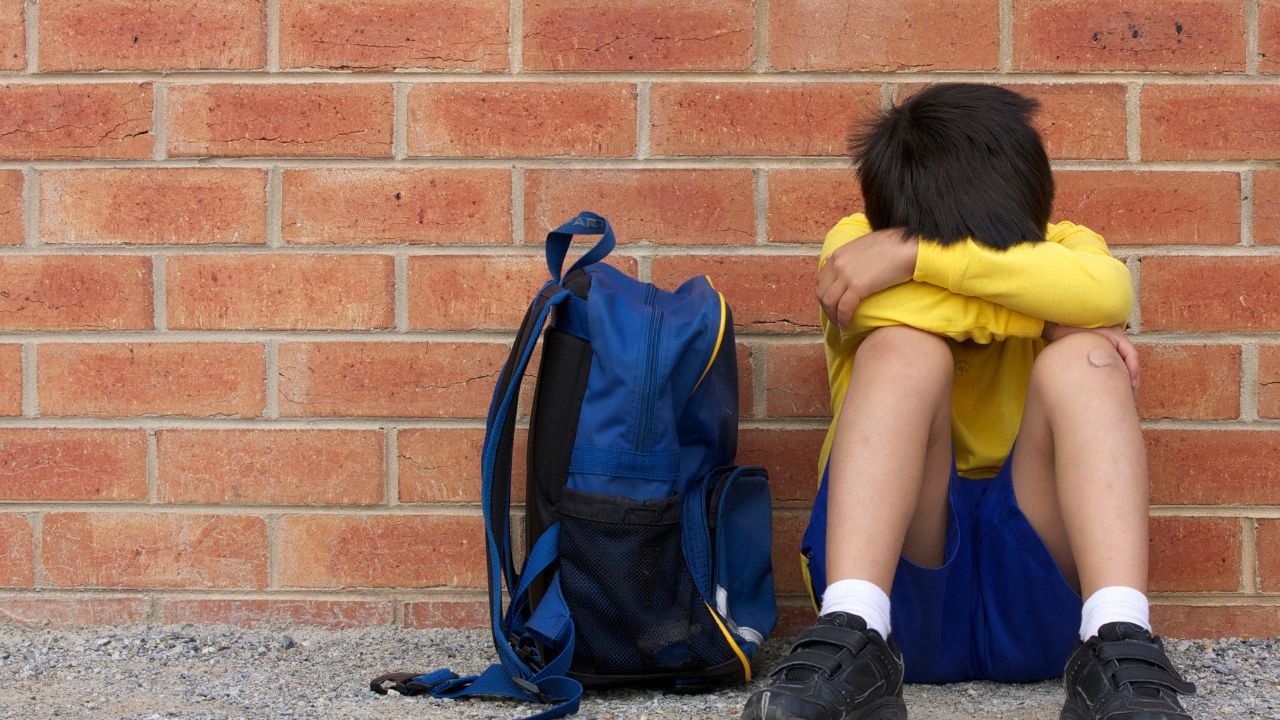
Are Autistic People More Likely to Be Bullied?
Yes. Research and lived experiences consistently show that autistic individuals are significantly more vulnerable to bullying than their neurotypical peers.

Because autism involves a different way of communicating and processing the world, autistic children and adults are frequently targeted simply for being different.
Advocates point out that this mistreatment is so widespread that it serves as a painful common denominator within the community.
As one autistic adult explains, bullying seems to be “the most common thing that we have in common… the thing that bonds so many of us is that past traumatic experience of just being treated so badly because we’re different”.
What Are Some Common Experiences of Bullying in Autistic People?
Bullying targeting autistic individuals rarely stops at standard physical or verbal aggression; it often takes on insidious, systemic, or highly social forms.
- Social Ostracization: Being intentionally left out, treated as an outsider, or made to feel like you do not belong.
- “Poke the Bear” Tactics: Bullies frequently learn exactly what triggers an autistic person’s sensory overload or meltdown. They intentionally provoke the individual until they have an outward reaction, then pretend to be innocent to get the autistic individual in trouble with authority figures.
- Systemic and Institutional Bullying: Mistreatment does not just come from peers. Many individuals report being bullied, shamed, or invalidated by teachers, school staff, and medical professionals who punish them for autistic behaviors like stimming or avoiding eye contact.
- Weaponized “Banter”: Cruel taunts are frequently dismissed by perpetrators or institutions as “just a joke” or harmless teasing, invalidating the victim’s pain.
A Lived Experience: “Most of the bullying wasn’t like straight-up normal typical bullying… what they would do is they would know exactly how to get me into a meltdown… and then they’d be all angels, go up to the teachers and get me in trouble.”
Why Do Autistic People Face Bullying?
The core reason autistic people face disproportionate bullying is a societal lack of understanding and a low tolerance for behavioral differences.
- Communication Differences: Autistic individuals may have unique ways of speaking, moving, or calming themselves down (such as stimming).
- Perceived Vulnerability: Autistic people are sometimes viewed as naive or overly innocent by predators, making them easy targets for manipulation. Bullies may fake a friendship just to use or tease them.
- The “Double Empathy” Problem: Because neurotypical people often struggle to understand autistic body language and communication styles, they misinterpret different behaviors as “odd” or “strange,” responding with hostility rather than empathy.
What Is the Impact of Bullying for Autistic People?
The trauma of being bullied during critical developmental years leaves deep, permanent scars that persist long into adulthood.
The Internalized Bully
When a person is repeatedly told they are wrong, strange, or broken, they begin to repeat those words to themselves.
Simon Scott, co-host of The Neurodivergent Experience, notes that at nearly 30 years old, he still battles an internal monologue deeply ingrained by childhood bullies.
Forced into masking
To avoid further bullying, many autistic people feel forced to “mask” their authentic self to hide their autism.
Masking, especially over many years, can make it difficult to self-advocate, can cause identity issues, can be exhausting and can result in mental health issues and burnout.
Mental Health & Burnout
Persistent bullying forces autistic individuals into a state of chronic stress, frequently leading to:
- Severe anxiety, depression, and complex trauma (CPTSD).
- An increase in severe meltdowns or dangerous self-harming behaviors as emotional coping mechanisms fail.
- Extreme Rejection Sensitivity Dysphoria (RSD), which makes future social interactions terrifying.
- Autistic burnout associated with extreme fatigue, where resources are depleted.
How Should Society and Environments Change to Improve Things for autistic people?
To stop crushing the potential of autistic individuals, our schools, workplaces, and communities require a radical shift from forced conformity to genuine acceptance.
1. Shift from “Awareness” to Acceptance
Environments must move past simply knowing autism exists. Schools and workplaces need to actively accommodate neurodivergent needs, recognizing that a lack of eye contact or a need to stim is not “bad behavior” or a lack of professionalism.
This shift to acceptance at an institutional level can promote a strong understanding to school peers and coworkers, so they are more likely to be kinder to those who show difference.
2. Reform Institutional Systems
The current school system often tries to break down neurodivergent children to force them to fit a rigid, neurotypical mold.
Educational and corporate institutions must build flexible environments that value an individual’s intense special interests and unique strengths rather than punishing their differences.
3. Elevate Autistic Voices
The best way to foster true understanding is to let neurodivergent people lead the conversation.
Peer-led training and listening to lived experiences are vital steps to erasing the stigma that fuels bullying.
Next Steps & Resources

If you or a loved one are experiencing bullying or dealing with the long-term mental health impacts of neurodivergent trauma, actionable support is available:
- Find Your Community: Connecting with other neurodivergent individuals through peer-led advocacy groups can provide validation and reduce the isolation caused by social bullying.
- Seek Neurodivergent-Affirming Therapy: Look for professionals who specialize in autistic trauma and understand that your identity is not a medical condition to be “fixed”.
- Crisis Support: If you are in distress or experiencing thoughts of self-harm, please reach out to your local crisis lines (such as the National Suicide Prevention Lifeline by dialing 988 in the US, or calling the Samaritans at 116 123 in the UK).
References
Maiano, C., Normand, C. L., Salvas, M. C., Moullec, G., & Aime, A. (2016). Prevalence of school bullying among youth with autism spectrum disorders: A systematic review and meta‐analysis. Autism research, 9(6), 601-615. https://doi.org/10.1002/aur.1568Digital Object Identifier (DOI)
