


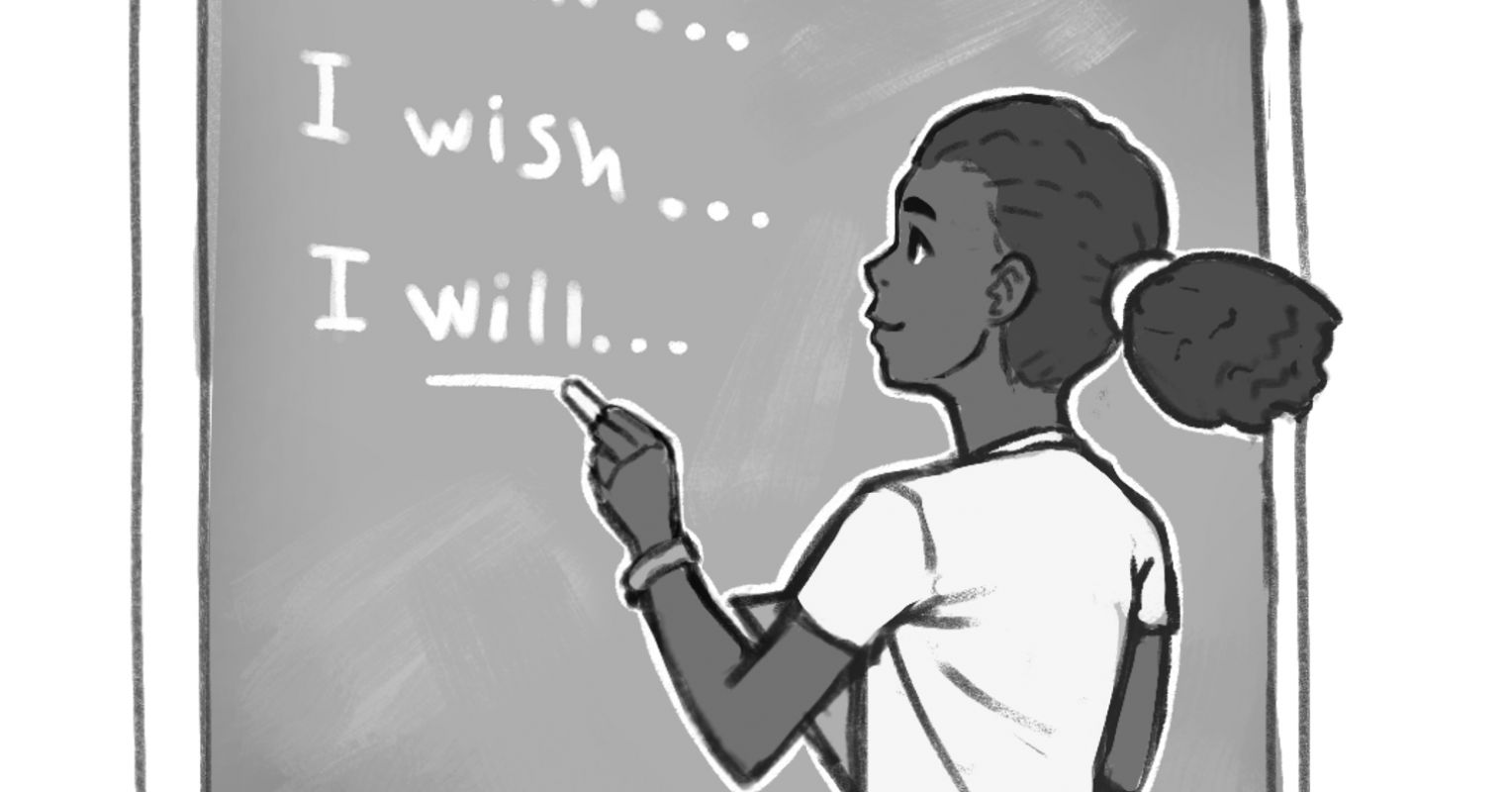
The words we use affect how we feel and act. In this post we will review nine everyday substitutions you can use to make you stronger and more confident.
1. Instead of saying, “I’ll try” say, “I will” or “I want to”

Why?: “Try” is a negative word. When you say that you have tried something in the past, usually this means that you did not succeed. Trying leaves a lot of room for the possibility of failure, and may lead your brain down a dead-end path. On the other hand, doing something and wanting it are both positive actions.
2. Instead of saying, “I don’t have…” say, “I want” or “I wish” or “I’ll do my best to”
Why?: No matter how you use it, “don’t” is a negative. Whenever you can choose a positive phrase instead of a negative one, choose the positive one. I want to have friends so that I can… is a far more hopeful statement than I don’t have any friends. I want can be the beginning of an action plan.

3. Instead of saying, “This is dumb” or “This is annoying” say, “I can learn one thing from this” (even if it’s a what-not-to-do)
Why?: There is always something to gain or learn from every experience, even a negative, boring, or sad one. Making this small change will help you get in the habit of looking for that positive takeaway.
4. Instead of saying, “This is my fault” or “This is your fault” say “Let’s think about what happened” or “Let’s talk about what we do next” or “How can I make this better?”
Why?: Assigning blame as a punitive statement is negative and it’s all about the past. When you’re focused on the future, you can also focus on resolving problems instead of dragging them out. Understanding what happened is important, but dwelling on blame often keeps us stuck. Once responsibility is understood, asking “What can we do next?” moves us toward solutions.
5. Instead of saying, “You are…” say “What you could do better is…”
Why?: When you label a person pejoratively, that’s a personal attack, one that can be hurtful and can cause that person to fight back or shut down. When you suggest a solution, you leave room for negotiation and change.
6. Instead of saying, “Why me?” say “What next?”
Why?: Every life has hardship, sometimes more than seems fair. But the one thing you can always control is what you are going to do about your troubles.
7. Instead of saying, “Sorry to bother you” say, “May I have a few minutes of your time?”
Why?: There is no reason to apologize for existing, for having a need, for asking a question, or for taking up a little bit of someone’s time. Approach people with politeness and confidence.
8. Instead of saying, “I hate doing…” say, “I’m going to feel good when this is done” or “I can get through this.”
Why?: Using negative words to talk about a task you don’t enjoy has a way of making it even more unpleasant. When you frame your intentions in terms of feeling better and getting it done, you’ll find it easier to finish.
9. Instead of saying, “If…” say, “When…” and “How…”
Why?: Speaking about “if” things happen implies they may not work out. This can sow doubt in your mind and make you less likely to succeed. Speaking about things you want to happen and how they will happen as if they are a future reality is a way of asking your subconscious to help make them happen.
Takeaway
When you make intentional shifts in the words you choose, you can shift your mind from doubt and blame toward confidence, resilience, and action.
This post post is excerpted from my book, The Life Guide for Teens.
