


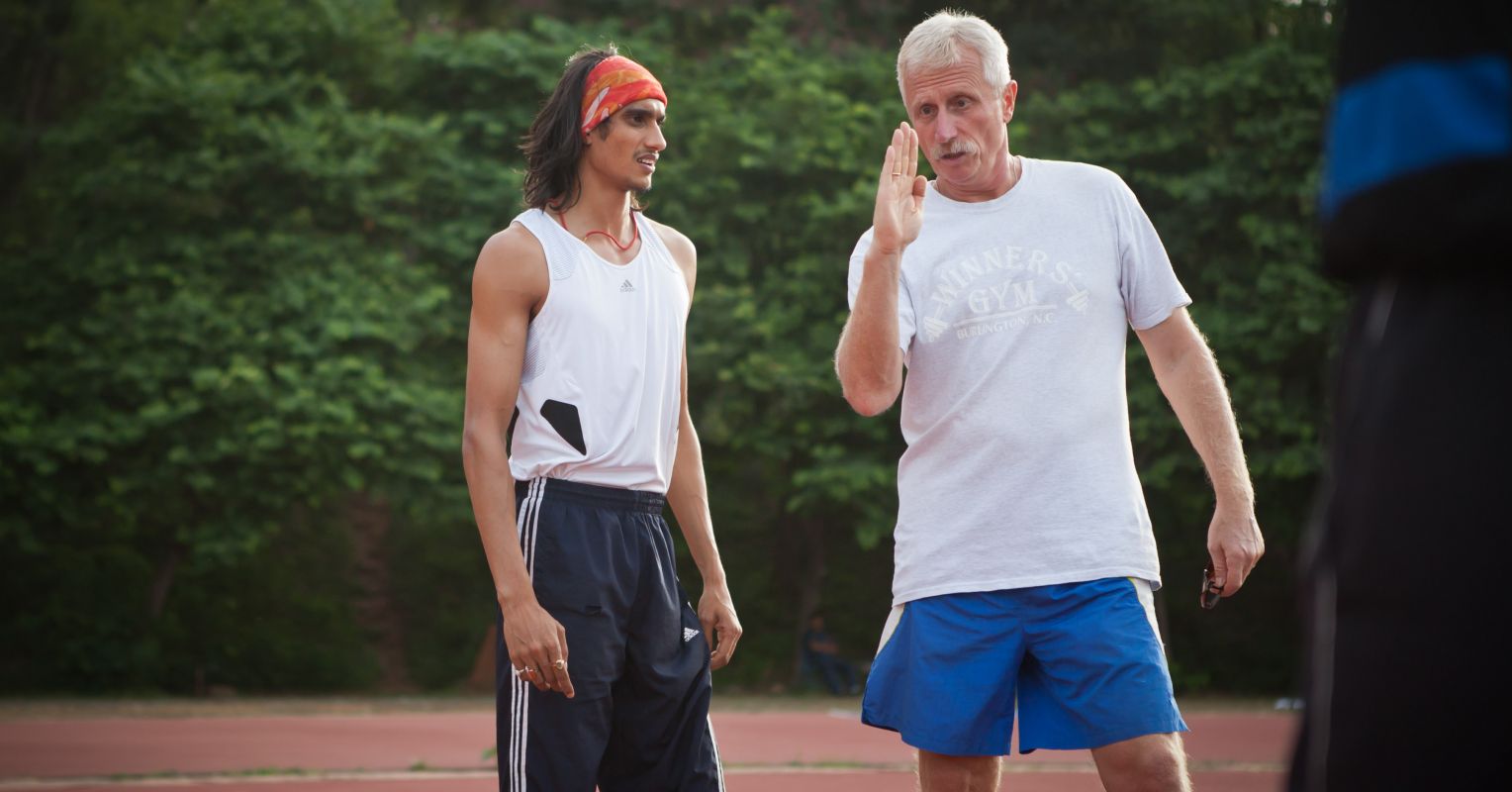
Soft skills are personal and interpersonal competencies essential for successful living, including athletics. They are life skills that used to be a cornerstone of sports coaching. Not so much anymore…
Many athletic leaders fail to follow in the footsteps of legendary coaches like Pro football’s Paul Brown, college basketball’s John Wooden, college football’s Nick Saban, and Major League manager Walter Alston. Those coaching icons achieved much of their success and fame for training soft skills in their athletes, along with hard skills (technical sports-playing techniques).

The failure of coaches to train and model life skills has contributed to what has become a toxic amateur sports culture, discussed in my post “Exploring the Neglect of Athletes Being Human and its Impact.” Attend an amateur sporting event, and you’ll often witness poorly behaving coaches and athletes. Some youth coaches encourage athletes to trash-talk their opponents and other unsportsmanlike behaviors, believing it helps their competitiveness.
Awareness of all this has motivated institutional efforts to provide antidotes to a poisonous youth sports culture. One such example is Positive Athlete (+A), an organization that preaches the importance of soft skills and virtue to young athletes and coaches
We’ll explore +A after a brief examination of what life skills represent.
Soft Skills Explained

Soft skills are trained attributes for lifelong effectiveness that demonstrate high character.
Hard Skills are critical for sports success. Youth athletic programs often exclusively focus on those technical sports skills to the exclusion of many life skills. Given that fewer than 10% of high school athletes will play college sports, according to NCAA data, hard skills will have minimal value for most athletes past high school.
Soft skills are of value beyond athletics. Effective communication, goal setting, followership (adherence to organizational guidelines), teamwork, time management, servant leadership, ability to stay focused when things go wrong, critical thinking, and role modeling are just a few examples of those life skills. Many coaches fail to recognize the importance of those attributes on and off the field of play.
NOT +A!
Positive Athlete Purpose and Story
The +A mission reads as follows:
The Positive Athlete Foundation helps student-athletes turn the character built through sports into lifelong leadership and success. We recognize, empower, and connect high-character student athletes to resources and opportunities that prepare them to give back, succeed in the workforce, and lead with purpose in their communities.
Positive Athlete was founded by sports marketing professional, and the organization’s current CEO, Scott Pederson along with former Pittsburgh Steeler Hines Ward. The inspiration for creating Positive Athlete derived from Peterson’s, sons’ sports experience. Former Denver Bronco Champ Bailey, is the organization’s current Lead Athlete,
“They were good athletes (his sons) but they weren’t elite athletes,” explained Pederson during an interview for this article. “Every end-of-the-year high school sports banquet was kids getting awards based on all-state, all-conference, team MVP, and those kinds of things, which are all good things for kids to strive for.”
“I worked for Miller Sports at the time,” Pederson continued, “and we were the sponsor of the NFL Lineman of the Year program, which was an attempt by the NFL to really take one of the game’s positions that’s often unappreciated for the hard work that those guys do. The program was based on what those guys did in their communities. It evolved into the NFL’s Walter Payton Man-of-the Year Award and the Roberto Clemente Award (Major League Baseball).”
“I sat there at those banquets and thought ‘why is there not something like that for high school athletes’?” reflected Pederson. “Really good kids doing the right things, giving back to their schools and their communities. The first kids out of the dugout when a kid hit a home run to congratulate him, and the first to hug a kid who just struck out, and then tell him, ‘You’ll get it the next time’.”
“In sports we’ve forgotten the opportunity that sports brings to you,” observed Pederson.
How +A Promotes Character for Young Athletes
Athletes demonstrating virtuous behavior are rewarded by +A with college scholarships. The organization seeks nominations from coaches and others.
“I want you to give us nominations you feel are like that kind of kid,” explains Pederson to potential nominators. “I don’t want the kid who threw for 15 touchdowns and 3,000 yards, unless that kid did 100 hours of community service.”
“We started getting nominations and stories of kids who had overcome really difficult circumstances,” he continued. “Kids that were homeless, rose up, and played their sport. Kids who started foundations and raised hundreds of thousands of dollars.”
“It was also those kids who the nominating coach said, ‘if I had 10 kids like this, we’d never lose a game, they have such a great attitude’.”
“We’re all about getting the stories of those kids and having those stories inspire other kids in the same situation,” emphasized Pederson. “Stories from the kids, themselves, and coaches describing the athlete’s virtues. Also, messages and stories from high-profile people extolling the importance of soft skills and character for a future beyond sports.”
“You’re Far More Than an Athlete”
That’s something I continuously remind young people. It closely mirrors Pederson’s point that puts a wrap on this piece.
“You’re more than just this kid that might be a professional or collegiate athlete,” Pederson said, “and even if you are, you better have all the soft skills that can be learned playing sports. Every kid thinks they’re going to be recruited to go play at the next level, and there’s only about 3-5% that ever will.”
This is correct, according to NCAA statistics, as previously shared.

Developing soft skills will help optimize your performance in athletics and improve your chances for a collegiate sports opportunity. Those qualities will also deliver life-long value that will propel you to ultimate life success in whatever you choose to do past high school.
Athletes, go work on your life skills. Coaches, go model and teach those traits.
