


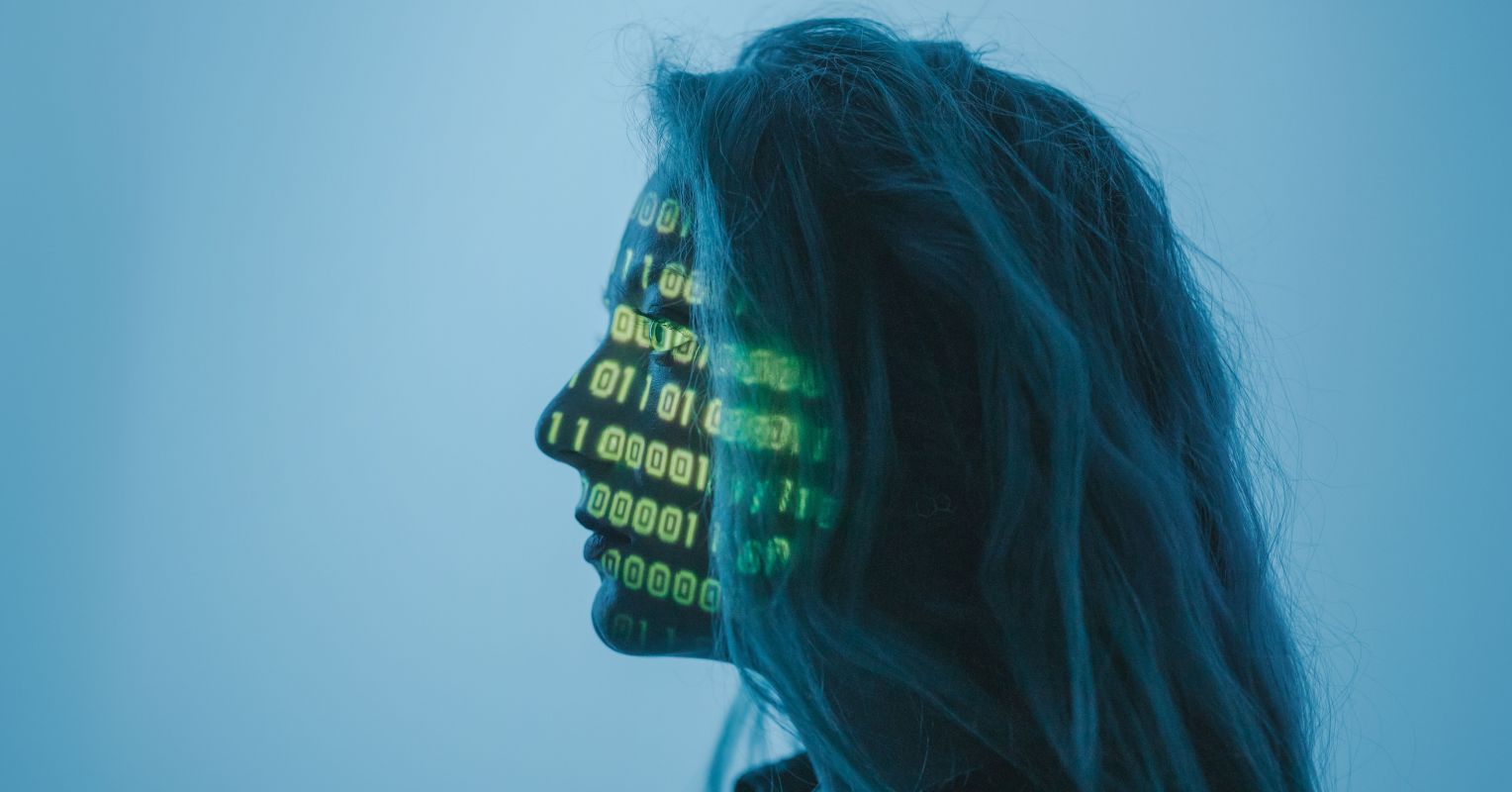
The whiplash around AI these days is real: One minute, we’re hearing from the most powerful AI leaders of our time that the technology could arguably kill us all. A minute later, we’re seeing an ad for the latest AI therapy-bot or app appear in our algorithm, offering a cheaper, more convenient alternative to human therapists.
All this is happening within the larger geopolitical and environmental context of the debate surrounding AI data centers and the enormous ecological cost of running these systems. This begs the question: Can you, or should you, consider an AI therapist?
Human Versus AI Throwdown: Therapy Edition

If we momentarily put aside carbon footprint concerns, recent research directly comparing the effectiveness of AI versus human mental health professionals is telling. When researchers showed therapists transcripts of conversations between patients and 1) an AI therapy bot and 2) a human therapist, the professionals couldn’t reliably tell the difference between the two. Their performance hovered around chance (53 percent accuracy). What’s more, the transcripts with the AI therapists scored higher on quality.
Another study went a step further, reviewing well over a dozen randomized controlled trials involving thousands of participants to test the relative efficacy of AI therapy versus no therapy or more traditional forms, including treatment-as-usual with humans and other types of interventions (like self-help books). They found that in the short term, AI therapy did improve outcomes for both depression and anxiety, but the benefits didn’t seem to last past the three-month mark.
Neither of these directly and consistently pitted AI bots against real flesh-and-blood therapists. The jury is clearly still out when it comes to that throwdown.
Perks and Liabilities of AI Therapy

Still, if you’re wondering how a chatbot could compare to a human in alleviating mental health issues, these researchers point out that an AI therapist is available at all hours and offers immediate care, which may be a reason for their effectiveness in these studies. Moreover, most of these chatbots studied relied on Cognitive Behavioral Therapy techniques, which have long been established as interventions for depressive and anxiety symptoms.
There are plenty of highly effective interventions AI bots arguably can’t do, at least not in their current iterations, like providing exposure therapy (for phobias) or prescribing medication. It’s also possible that the placebo effect could be driving at least some of the current findings. If people expect AI therapy to work, it may end up doing so.
All this is to say: human therapists are still as important as ever. AI therapy can help if you need an immediate, short-term dose of CBT, but its benefits may likely taper out over time. The question, then, may not be either-or, but yes, and?
