


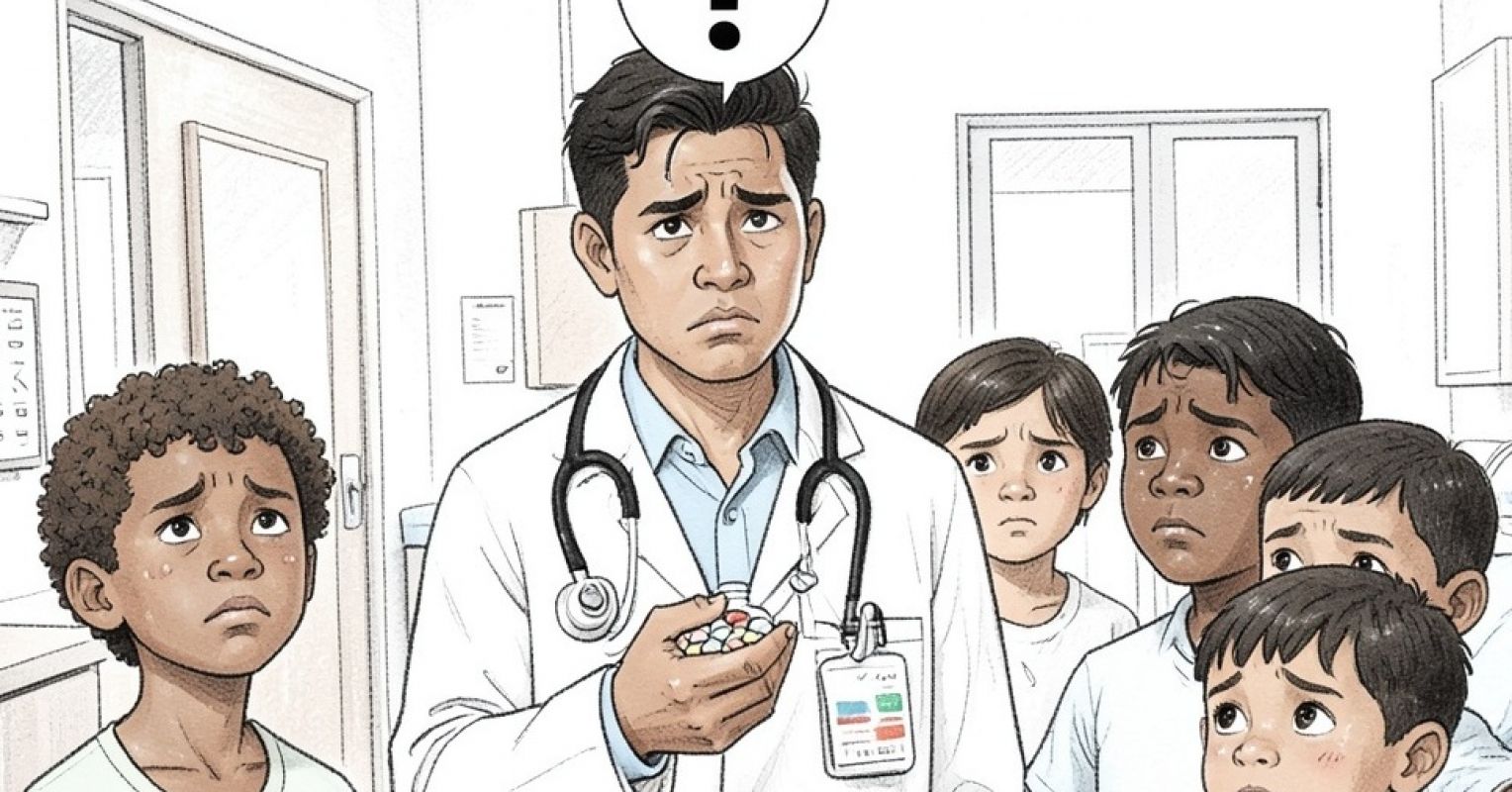
Can one bad apple spoil the entire bushel?
In science, a single flawed study can sometimes distort a larger body of evidence. A recent report, “Prozac use for childhood depression skewed by single flawed medical trial,” describes how one clinical trial may have influenced a major synthesis of research—and, in turn, prescribing practices for children with depression.(1)
Medication as Mental Health Technology
- Drugs are a form of technology: They are the result of translating scientific knowledge into practical tools for treating health problems. From plant extracts and chemical synthesis to recombinant DNA, monoclonal antibodies, gene splicing, and mRNA, medications are engineered, tested, and produced for broad use. This is the very definition of technology! A new molecule may eventually help treat depression or another disorder, but only after careful study, including controlled clinical trials.
- More than 100 psychotropic medications are on the market, and the list continues to grow. These drugs include antidepressants, anti-anxiety medications, antipsychotics, mood stabilizers, stimulants, and anticonvulsants.
- Medication development depends on rigorous testing. Because people can respond differently to the same drug, patients may need to try more than one option to find the best balance of benefit and side effects. Clinicians need accurate, reliable clinical evidence to guide prescribing decisions.

In the recent review, a central question for researchers was: “How well does Prozac work for children with depression, compared with other treatments?” When many clinical trials point in the same direction, pediatricians and mental health professionals take notice. Whatever one’s view of medicating children for conditions such as attention-deficit disorders, anxiety, or depression, everyone should want prescribing decisions to rest on sound evidence. In this case, however, a single trial conducted in Iran with only 40 patients appeared to have had an outsized impact on the evaluation of using Prozac—fluoxetine, a selective serotonin reuptake inhibitor (SSRI)—to treat pediatric depression.
Here is what happened. A meta-analysis combined results from multiple studies on this question. Researchers included several clinical trials comparing Prozac with other treatments, but one study from Iran, published 20 years ago, produced unusually strong results and exerted a disproportionate effect on the overall analysis. That outlier shifted the findings in favor of Prozac, helping to shape the message that Prozac was especially effective and preferred for treating depressed children. The concern is not that this medication necessarily caused unusual harm or side effects, but that clinicians may have been misled and made treatment decisions using flawed evidence that was less conclusive than it looked.
What This Case Reveals About Science
This case highlights a broader truth about how science works and how research is used to validate treatments. Anecdotes can be compelling, but they are not the same as scientific evidence. Personal stories may raise important questions, yet they have not been tested through systematic methods. One data point does not establish a trend.

A familiar example is “vaccine hesitancy.” When public figures elevate anecdotal accounts over tested evidence, the result can be unnecessary illness. For example, when parents decline the measles, mumps, and rubella (MMR) vaccine due to unsupported claims linking the vaccine to autism, this frightens parents away from child vaccinations. Information shapes behavior, and this behavior affects the health of an entire community.
Psychology explains why such claims gain traction. Contrarians and independent-minded people may resist broad health mandates when they seem to override individual choices. Yet population health sometimes depends on widespread participation in behaviors—such as vaccination or masking during an outbreak—that reduce risks not only for individuals but also for those around them. Consider the difference between wearing a seat belt and wearing a mask. If one passenger chooses not to wear a seat belt, the consequences may fall primarily on that person. If one infected and contagious person chooses not to wear a mask, others may be exposed, and the illness spreads. Public health asks us to balance individual preferences with the collective risk.
It is easy to forget that the medicines are, in fact, technologies. Researchers also rely on technology to develop the drugs, recruit patients, conduct trials, and analyze results. Artificial intelligence may soon accelerate the design of new molecules and model virtual clinical trials. But no computational shortcut will replace careful procedures or critical thinking. Clinicians must carefully examine a drug treatment’s record of effectiveness and safety. Decisions that affect health cannot be driven by viral memes or anecdotal claims.
In this case, scientists identified the problem, reanalyzed the data, and widely shared the corrected results. Pediatric clinical guidance was revised, and the claim that Prozac is superior for childhood depression now appears less certain. This does not mean clinicians have been told to stop prescribing Prozac to children. Other options are available, but the larger lesson is that science is not about always being right; it is about being willing to look again for errors, and revise conclusions.
We can leave the broader debate about medicating children with depression for another time. For now, the essential point is that we must keep testing—not only new medicines, but also the assumptions that shape how we interpret the evidence. Science depends on our willingness to question our conclusions. This is how science corrects itself and thus serves us better.
