


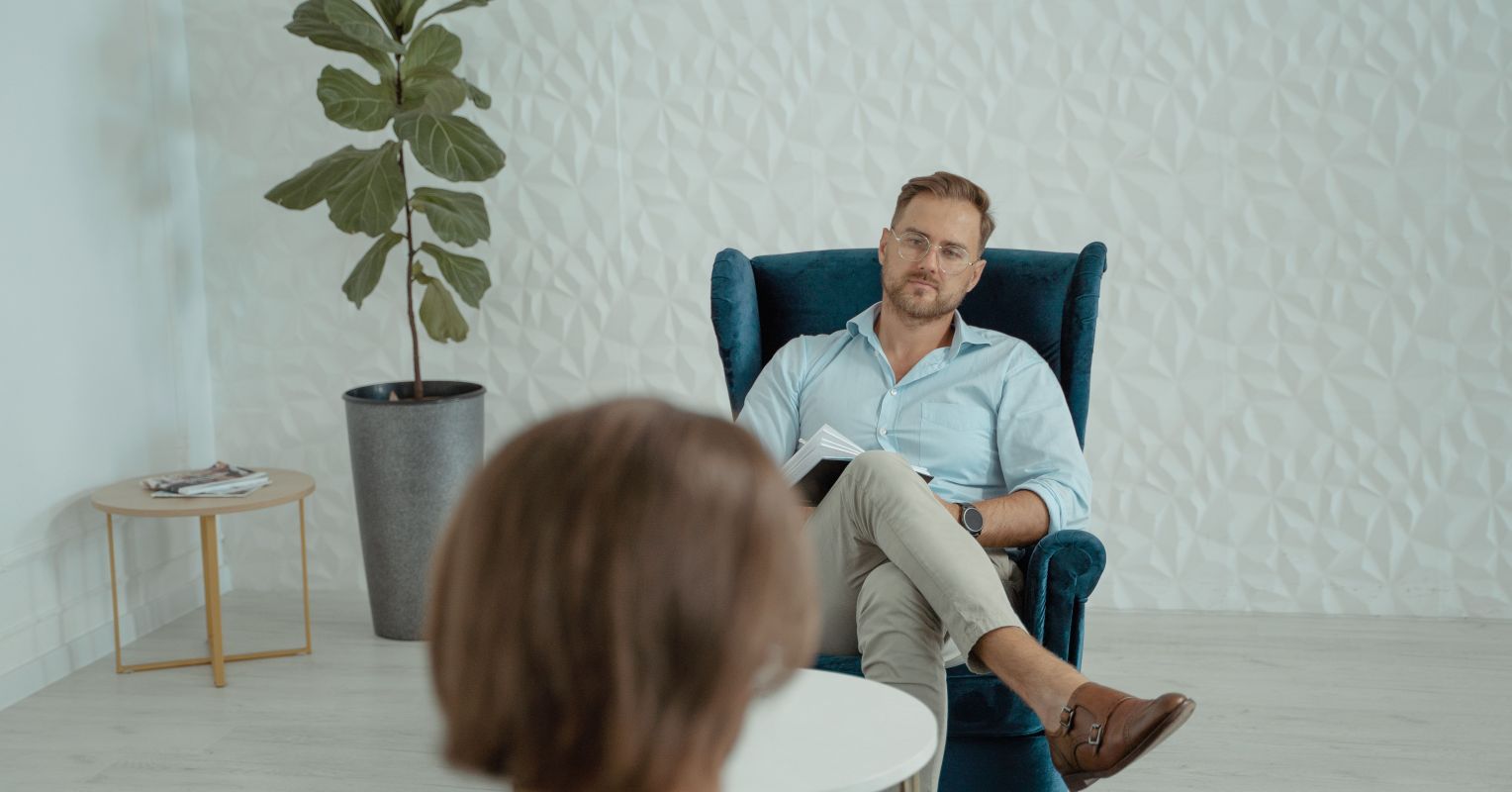
I believe that discovering, speaking, and living our truths, along with unconditional self-love, are the true medicines for our wounded hearts and traumatized bodies. Psychedelic psychotherapy (PAT) helps us access both.
Each session of PAT is different, and like any kind of therapy, the actual process and results depend on each individual person. I use a 5-phase framework for my sessions, which helps me better work with where the client is. The phases include: grounding and dropping in; on-set of the medicine; therapeutic exploration; coming down; wrapping up. I will focus on the exploratory phase in this post.

In the exploratory phase, we examine everything that comes up and arises in the client’s consciousness: images, sounds, shapes, textures, sensations, stories, memories, and emotions. This might include: doors, fields, stars, space, pyramids, forests, tunnels, catacombs, coffins, insects, trees, father, mother, sister, aunt, basements, and creatures known and new. Not everything has meaning, but we must explore and discover what does. The client is the explorer of the cosmos and their own psyche. The therapist is a guide, a psychological surgeon, a trusted friend, a confidant, and an attendant in this process. Good exploratory questions are essential here. These don’t always have to be therapeutic, but they do help the client deepen their relationship with what is surfacing in the present moment. I might ask:
Where does that door lead?
Where is the train going?

What is it like being a marshmallow?
What does that memory mean to you?
Why is that coming up now for you?
Where do you feel that in your body?
Sometimes the meaning is obvious. Personal memories surface and demand to be acknowledged. One man in his thirties came for our ketamine protocol to deal with how his PTSD symptoms were affecting his relationship. He was scared in almost every situation, always worried the worst was going to happen. During the first session, he was hesitant to talk about his parents, simply saying they were good to him and he didn’t want to speak badly of them. To me, this is always a sure sign the truth is being partially spoken but mostly hidden. My job is to encourage a deeper exploration of feelings about our younger years, the time when we were most obviously programmed by our caregivers. He said his mom worried all the time, and he didn’t want to worry his mom more by stating his needs or by doing things his way. During his second session, he started to recall what it was like living with his father, who was a Marine. When he was around ten years old, his father would make him spar and wrestle — essentially do tactical drills — to protect himself and to avoid being “taken by surprise,” or, worse, “hostage.” This was not martial arts training but rather punishing preparation in case the worst happened. Dad said it was bound to. So be prepared.
Think about that — being ten and being physically forced by your father to prepare yourself to fend off people trying to abduct you. How would that affect your sense of self, safety, and trust in others? He started to see how, from a very young age, he was being programmed by his father, and his mother, who allowed this training to happen, to see the world as dangerous, to always be prepared for the scariest and worst kinds of danger. (Even later, when he cognitively realized he would most likely not ever be in such scary circumstances, his body and brain continued to reinforce those original messages, keeping him on constant alert.)
After three sessions, he was able to hold love for his parents but also speak to his anger and his utter dismay at being raised that way. He began to regulate his own nervous system and change the initial programming so that he could see the world as it is, not as his father had trained him to see it.
Sometimes in session, feelings and images seem random but turn out to be significant. A woman in her thirties suffered over half her life with agoraphobia and panic attacks. She could barely be around people for fear of being embarrassed about something she might do “that was dumb or stupid.” This fear kept her from socializing and from engaging in activities outside her home, and she struggled just to leave her house. During one ketamine session, she said she was being smothered by a marshmallow. She struggled to breathe and felt panic coming on. I guessed that this was what it must have felt like to live with agoraphobia and that intense fear of being scrutinized and judged. She immediately understood this to be true for herself. I asked if she could find the edges and look beyond the marshmallow. She said there was vast space, with stars. I asked how it felt. She said freeing and calming. I asked where the marshmallow was, and she said it had shrunk down to a small spot in her awareness. I encouraged her to continue changing the scope of her awareness, from the suffocating feeling to the greater sense of spaciousness.
Days later, she reported that while standing at her refrigerator, she felt the usual feeling of panic arising, but then she opened her awareness to the whole kitchen around her. She immediately calmed herself and realized she was safe. After three ketamine therapy sessions, she went to a concert, then to a friend’s party, and signed up for a 5k race. These three activities are a huge success for someone who could barely leave her home without panicking. She continues to struggle with anxiety but now knows how to care for herself while moving toward what helps her thrive.
The psychedelic psychotherapy experience can be many things—exciting, frightening, confusing, frustrating, complex, simple, full, and empty. One role of the client is to be an explorer, to be simply curious, open, and trusting, and to surrender during the process. One role of the therapist is to help the client make sense of the experience and the material that arises during the journey in relation to the client’s transformational goals and intentions. However, the medicine does what the medicine will, so we must remain open to where the medicine and the client’s wisdom and intuitive senses take us.
