


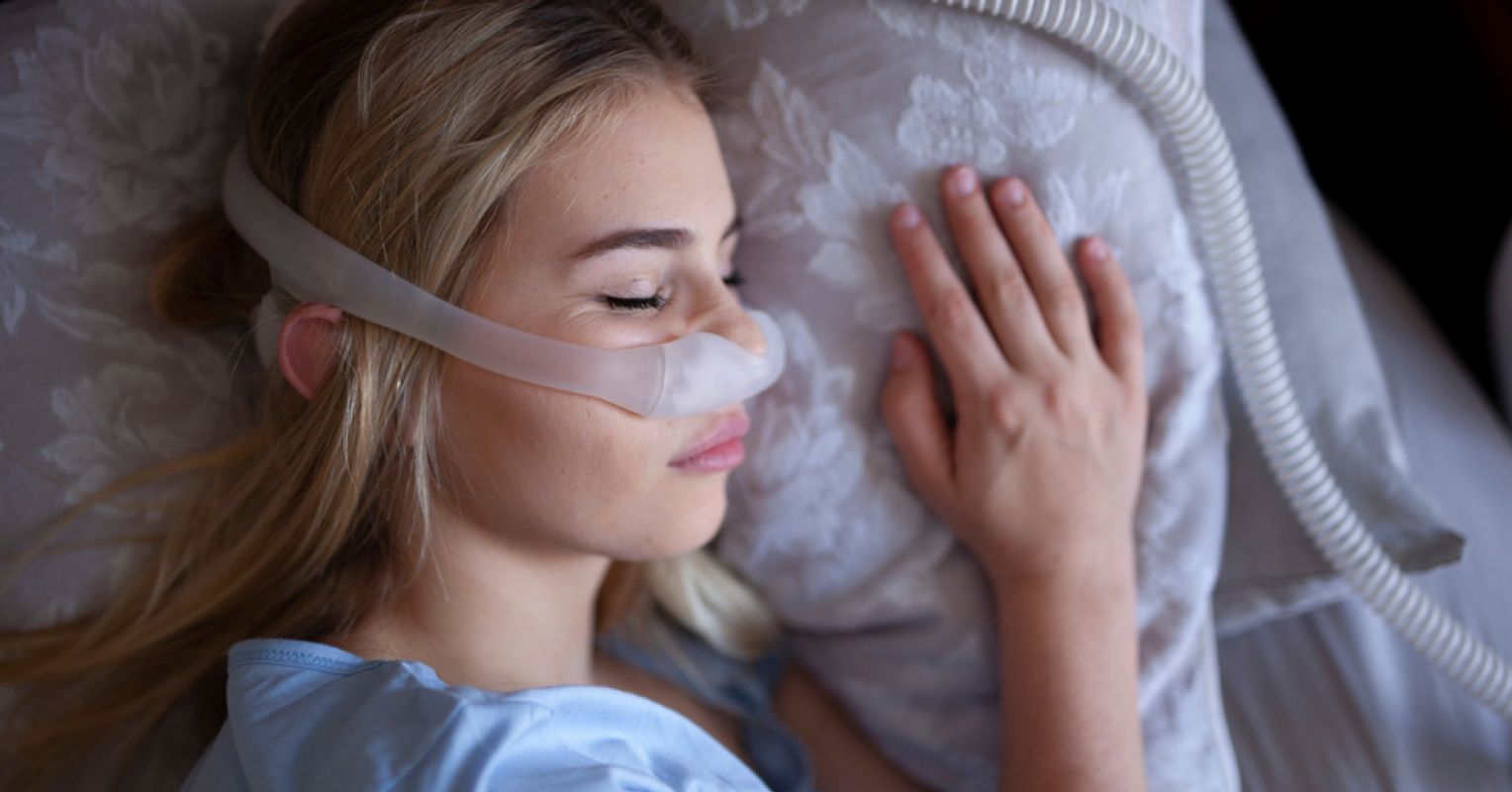
As a Behavioral Sleep Medicine Specialist, I see firsthand how challenging it is for many patients to acclimate to CPAP (continuous positive airway pressure) machines. In addition to being familiar with the common issues on the clinical side, I ran the Behavioral Sleep Medicine program at the University of Chicago for 10 years, and more recently started a virtual organization addressing the behavioral sleep needs of patients with such challenges. I also used to be a polysomnography technician at Johns Hopkins before starting graduate school, when I would actually do the CPAP setups for patients newly diagnosed with sleep apnea.
Some of the patients would say, “So what—you’ve never tried to wear it!” And for a while, I’d respond back with the words I was trained to say: “An endocrinologist does not need to have tried insulin to understand a diabetic’s needs.” While this is true—and I still believe it—my curiosity, fueled by my drive to help patients on a deeper level, led me to wear CPAP for one year. As I had mild REM-related sleep apnea, I was able to get set up with CPAP.

I should share that I’m what we once called a Type-A person: I exercise daily, for example, and was one of those annoying teacher’s-pet types in school. So, for me, I never really gave myself another option: I was going to wear the CPAP nightly.
It did take me a few days of acclimation. I used our desensitization tools for that. I would watch a Seinfeld episode before dinner and put on the CPAP for 30 minutes, sitting upright on the couch, at the lowest setting. After two or three days of this, I was able to get used to the novel sensation of letting myself breathe alongside the pressurized air.
Again, I was at an advantage because I do not struggle with insomnia. I remember thinking how hard the process would have been if I did. As an insomnia specialist, my mind always goes to that question: How would this feel for my patients?

I imagined lying in bed with insomnia, while trying to acclimate to this novel sensation of sleeping with a mask, breathing alongside pressurized air, and thinking, “Wow, this must be so incredibly challenging for patients with unmanaged insomnia to acclimate to CPAP. I want to help them.”
From my perspective, the solution is: Let’s get these patients access to Cognitive Behavioral Treatment for Insomnia (CBT-I). This is an evidence-based program that helps 70 to 80 percent of patients. If we can first make it easier for them to fall asleep, surely it will make their journey with CPAP easier. My team and I started managing insomnia for these patients, and it’s been so rewarding. As the data shows, about half of patients who struggle with CPAP have insomnia. Especially for patients with sleep-onset insomnia (i.e., taking more than 30 minutes to fall asleep three or more nights per week), it unblocks CPAP success tremendously when they go through CBT-I.
To find a therapist, visit the Psychology Today Therapy Directory.
