


You might find it intriguing how art therapy has evolved, shifting from mere creative expression to a sophisticated interplay with verbal integration. As you consider the early influences of thinkers like Jung and Naumburg, you may wonder how their insights laid the groundwork for a deeper exploration of the psyche. This progression not only reflects changing therapeutic practices but also highlights the profound connection between visual art and language in accessing the unconscious. What might this mean for contemporary approaches, and how does it reshape our understanding of emotional healing?
Historical Background of Art Therapy
Emerging from the interplay of creativity and therapy, the historical background of art therapy reveals a rich tapestry of psychological thought and artistic exploration. You'll find that its roots trace back to the early 20th century, where pioneers like Carl Jung began to recognize the power of visual expression in uncovering the unconscious mind. As cognitive disorders increasingly impact individuals' emotional and psychological well-being, art therapy serves as a valuable tool for expression and healing, particularly in addressing challenges related to cognitive declines from injury or illness. Jung's emphasis on symbolism encourages you to contemplate how art serves as a bridge between the conscious and the unconscious, facilitating self-discovery.
As you explore deeper, you'll notice that art therapy evolved alongside significant movements in psychology, particularly psychoanalysis. The creative process becomes a means of accessing repressed emotions and unresolved conflicts, making it a potent therapeutic tool. You can see how, as artists and therapists began to collaborate, the therapeutic potential of art emerged, embodying both catharsis and insight.

This historical context invites you to reflect on the underlying principles that shaped art therapy's development. It's not just about creating art; it's about understanding the intricate connections between your emotional landscape and the creative expression that can illuminate it. Through this lens, art therapy transforms into a profound journey of self-exploration and healing.
Early Techniques and Practices
As you explore the early techniques and practices in art therapy, consider how historical roots shaped the methods we see today. The pioneers in art integration laid foundational principles that reflect a deep understanding of the human psyche and its need for expression, much like the way cognitive psychology studies mental processes such as perception and memory in therapeutic contexts. By examining the evolution of these techniques, you'll uncover the intricate relationship between creativity and verbal communication that continues to inform therapeutic practices, including advancements in personalized treatment plans for ideal recovery from cognitive impairments.
Historical Roots of Art Therapy
Art therapy didn't spring up overnight; it evolved through a rich tapestry of practices that date back centuries. You can trace its historical roots back to ancient civilizations where art served as a medium for expression and healing. In these cultures, symbols and images were more than mere decoration; they were integral to understanding the psyche. Think about how cave paintings reflected the emotional and spiritual states of their creators, providing insight into their inner lives. Cognitive rehabilitation strategies have also shown that creative expression can greatly enhance cognitive functions, illustrating the therapeutic power of art.

As time progressed, various cultures incorporated art into their healing rituals. The Egyptians, for instance, used visual art to communicate with the divine, creating a bridge between the conscious and unconscious domains. In the Renaissance, artists like Leonardo da Vinci began exploring the psychological aspects of human experience, hinting at how art could serve as a therapeutic tool.
These early techniques laid a foundation for contemporary art therapy, emphasizing introspection and self-discovery. They remind you that the act of creating art is inherently therapeutic, allowing for a dialogue between your conscious thoughts and unconscious feelings. This historical context enriches your understanding of art therapy's evolution and its profound psychological implications.
Pioneers in Art Integration
Building on the historical foundations of art therapy, several pioneers emerged who integrated artistic practices into psychological healing. You can trace their work back to the early 20th century, where figures like Carl Jung began to emphasize the significance of creative expression in understanding the unconscious. Jung believed that art could serve as a bridge to the self, allowing for deeper exploration of repressed emotions and thoughts. This resonates with concepts of cognitive dissonance where conflicting feelings can be reconciled through creative outlets.

Then, there's Margaret Naumburg, who championed the use of spontaneous art-making as a therapeutic tool. She conceptualized art as a means of communication, especially for those struggling with verbal expression. By embracing this approach, you gain insight into the feelings that words often fail to capture.
Similarly, Edith Kramer viewed art as a form of healing in itself, focusing on the therapeutic process rather than the end product. This perspective invites you to reflect on the act of creation as a pathway to self-discovery, encouraging an introspective dialogue between the conscious and unconscious mind.
These pioneers laid the groundwork for a rich interplay between art and psychology, helping you recognize the profound impact of artistic expression on mental health and emotional well-being.
Evolution of Techniques

In the domain of therapeutic practices, early techniques in art therapy emerged from a deep understanding of the psyche's complexities. You might find it fascinating how these techniques sought to bridge the unconscious and conscious mind, allowing individuals to express unspoken emotions and thoughts. Initially, therapists encouraged free expression through drawing, painting, and sculpting, which served as a conduit for examining inner conflicts.
These early practices emphasized the importance of symbolism; every brushstroke and color choice reflected an internal narrative. You could see how artists like Edith Kramer and Margaret Naumburg integrated their psychoanalytic backgrounds, creating frameworks that connected art-making with emotional healing. They believed that the act of creating art itself could facilitate a dialogue between the self and the therapist, enabling deeper introspection.
As you explore these techniques, consider how they laid the groundwork for contemporary practices. The focus was on the therapeutic process rather than the final product, fostering a space where the psyche could safely unfold. This evolution showcases the transformative power of art, allowing you to explore your emotions in a tangible, creative way, and revealing the intricate dance between expression and understanding.
Evolution of Verbal Integration

As you explore the historical context of verbal integration, consider how the evolution of these techniques reflects changes in our understanding of the human psyche. Modern approaches have shifted from merely articulating thoughts to weaving together emotional and cognitive experiences in transformative ways. This progression reveals not just a method, but a deeper connection between art, language, and healing in therapy.
Historical Context of Integration
Throughout the history of psychotherapy, there's been a notable evolution in how verbal integration has been perceived and utilized alongside art therapy. You might find it fascinating to explore how these two modalities have intertwined over time, enhancing therapeutic outcomes. Understanding the historical context sheds light on this evolution and reveals key milestones:
- Early Practices: Initially, art was seen as a mere tool for expression, devoid of verbal integration. Therapy focused mainly on verbal communication.
- Psychoanalytic Influence: As psychoanalytic theories emerged, therapists began to recognize the importance of integrating verbal dialogue with artistic expression to uncover unconscious thoughts.
- Holistic Approaches: By the mid-20th century, a shift occurred where therapists embraced holistic methods, valuing both verbal and visual communication as intertwined processes.
- Contemporary Understanding: Today, practitioners appreciate that verbal integration within art therapy deepens self-awareness, allowing individuals to articulate emotions and experiences that might remain elusive in strictly verbal therapy.
This historical journey reflects a growing recognition of the complexity of human experience, emphasizing how integrating verbal and artistic modalities can lead to profound insights and healing.
Modern Techniques and Approaches

Modern techniques in art therapy have evolved to seamlessly blend verbal integration with creative expression, allowing you to tap into deeper layers of your psyche. This integration transforms the therapeutic process, inviting you to explore your thoughts and emotions through both visual and verbal means. You might find that engaging with artistic media enhances your capacity for self-reflection, facilitating a dialogue between your unconscious and conscious mind.
Techniques such as guided imagery, where you visualize scenes while creating art, encourage you to articulate feelings that might be difficult to express verbally. By externalizing inner conflicts through visual representation, you create a narrative that fosters understanding. Additionally, the use of digital platforms has emerged, enabling you to engage with art therapy in innovative ways, such as virtual reality experiences that stimulate personal insight.
The integration of mindfulness practices into art therapy also allows you to remain present, fostering a deeper connection with your emotional landscape. As you navigate this intricate interplay between verbal expression and artistic creation, you're not just communicating; you're constructing a bridge to your inner self, paving the way for healing and growth.
Cultural Influences on Art Therapy

Cultural influences shape the very fabric of art therapy, guiding both the creative expression and the therapeutic process. When you engage in art therapy, you're not just creating; you're tapping into a rich tapestry of cultural narratives that inform your understanding of self and others. These influences can manifest in various ways, impacting how you express emotions and perceive therapeutic symbols.
Consider the following aspects:
- Cultural Symbols: Different cultures possess unique symbols that can evoke distinct emotional responses, allowing for deeper exploration of personal and collective experiences.
- Community Values: Your cultural background shapes the values you bring into therapy, influencing what you deem important or worthy of expression.
- Historical Context: The historical narratives of your culture can inform the themes in your artwork, providing a framework for understanding your personal struggles.
- Language and Communication: Cultural nuances in language affect how you articulate feelings and experiences, impacting the verbal integration of your art.
Through these lenses, art therapy becomes a dialogue not just with your inner self, but also with the broader cultural narrative that shapes who you are.
Psychological Theories in Art Therapy

As you explore the intersection of art and therapy, the psychological theories underpinning these practices become increasingly relevant. Freudian theory emphasizes the unconscious mind, suggesting that art serves as a vessel for repressed emotions and unresolved conflicts. When you create, you might find that your artwork reveals deeper truths about your psyche, leading to insights that verbal communication alone might obscure.
Jungian analysis adds another layer, proposing that art can facilitate the individuation process, allowing you to connect with archetypes and the collective unconscious. This connection can foster self-discovery and healing, as you engage with symbols that resonate on a personal and universal level.
Gestalt therapy, meanwhile, focuses on the here-and-now experience, encouraging you to express your feelings through art in real time. This approach allows you to become aware of your emotions as they arise, promoting integration and acceptance.
Ultimately, these psychological theories highlight the profound relationship between your inner world and creative expression. By understanding these frameworks, you can navigate your emotional landscape more effectively and harness the transformative power of art therapy in your journey toward healing.
Modern Approaches to Art Therapy
Embracing contemporary practices, art therapy has evolved to incorporate diverse methodologies that reflect the complexities of modern psychological understanding. You'll find that these approaches not only engage your creative faculties but also facilitate deeper introspection and healing. By integrating psychological theories with artistic expression, art therapy invites you to explore the interplay between your unconscious and conscious experiences.
Consider these modern approaches:
- Expressive Arts Therapy: This approach combines various art forms—like music, dance, and visual arts—to tap into different emotional layers, promoting holistic healing.
- Mindfulness-Based Art Therapy: Here, you're encouraged to focus on the present moment while creating art, enhancing self-awareness and reducing anxiety.
- Trauma-Informed Art Therapy: This method emphasizes safety and empowerment, allowing you to express trauma-related feelings through creative means.
- Digital Art Therapy: Utilizing technology, this innovative approach offers new avenues for expression, especially relevant in today's digital world.
As you engage with these modern approaches, you'll uncover layers of meaning within your artistic expressions, fostering emotional release and promoting psychological growth.
Case Studies and Success Stories
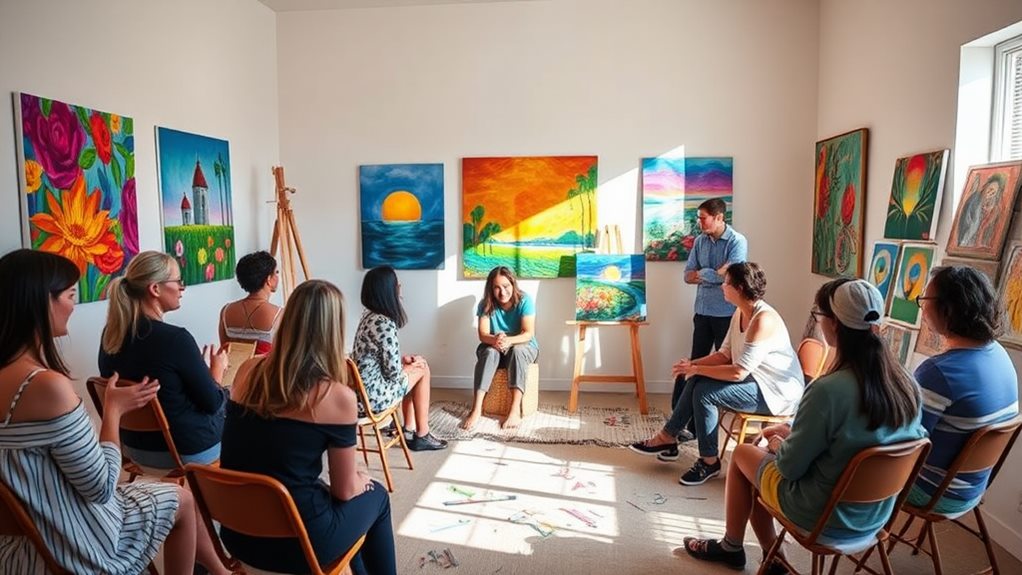
Through the lens of real-life experiences, case studies in art therapy reveal profound transformations that often transcend verbal communication. You might find it intriguing that individuals, once trapped in silence, can express deep-seated emotions and traumas through the act of creating. One case involved a young woman who struggled with childhood abuse. Through painting, she externalized her pain, allowing her subconscious fears to manifest on canvas. This process not only facilitated emotional release but also laid the groundwork for verbal integration in subsequent therapy sessions.
Another powerful example is that of a veteran dealing with PTSD. His sculptures became a mirror for his internal chaos, providing a tangible representation of his struggles. As he began to articulate his experiences, the interplay between his art and words illuminated connections he'd previously overlooked. These stories illustrate that the creative process can act as a bridge, linking the non-verbal aspects of trauma with verbal expression. You realize that, within these case studies, lies a demonstration of the transformative power of art therapy; it serves as both a healing salve and a catalyst for deeper introspection and understanding.
Benefits of Verbal Integration
Releasing the benefits of verbal integration in art therapy can greatly enhance your therapeutic journey. When you articulate your feelings and thoughts alongside your creative expressions, you create a deeper connection to your inner self. This process reveals insights that might otherwise remain hidden, fostering a more thorough understanding of your emotional landscape.
Here are four key benefits of verbal integration in art therapy:
- Enhanced Self-Expression: You learn to articulate complex emotions, allowing for a more nuanced exploration of your psyche.
- Cognitive Clarity: Speaking your thoughts provides clarity, helping you make sense of your experiences and feelings.
- Emotional Release: Verbalizing your feelings can serve as a cathartic release, reducing emotional burdens and promoting healing.
- Strengthened Therapeutic Alliance: Discussing your artwork fosters deeper connections with your therapist, creating a safe space for exploration.
Future Trends in Art Therapy
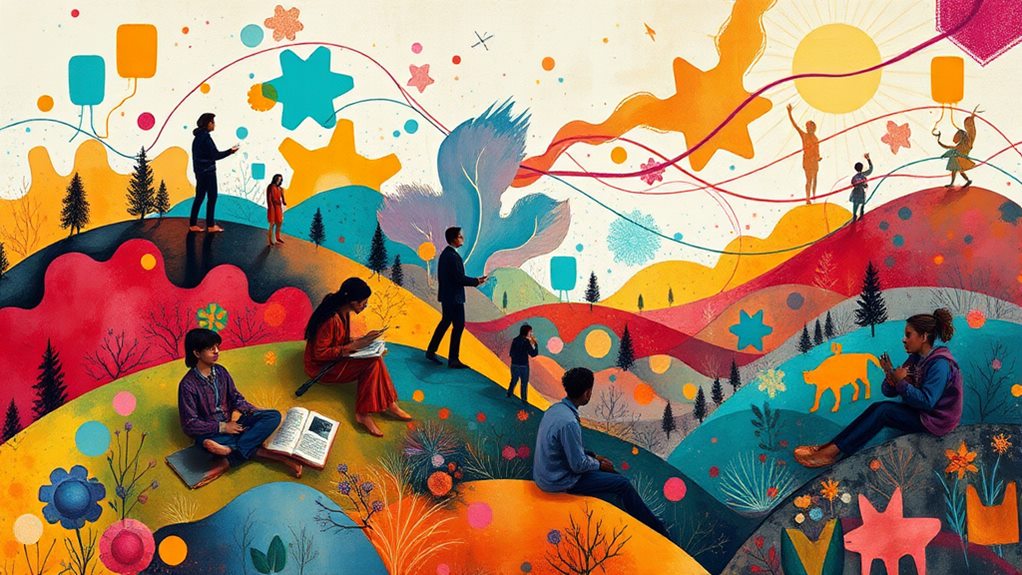
As you explore the benefits of verbal integration in art therapy, it's clear that the field is evolving to incorporate new methodologies and technologies. One trend gaining momentum is the integration of digital tools, such as virtual reality and digital art platforms. These innovations can deepen therapeutic experiences, allowing you to engage with your emotions in immersive environments.
Moreover, as you consider the implications of neuroscience in art therapy, there's a growing interest in how brain imaging can inform your understanding of the therapeutic process. By correlating artistic expression with neural activity, you can better comprehend the psychological mechanisms at play.
Additionally, the emphasis on community-based art therapy is rising. This approach not only nurtures individual healing but also fosters collective resilience and connection. As you participate in group settings, you may find that shared experiences amplify the healing journey.
Read The Next Blog Post –
In the grand tapestry of art therapy, the intertwining of visual expression and verbal integration isn't just a trend—it's a revelation, a profound awakening of the psyche that transforms mere emotion into eloquence. As you navigate this dynamic interplay, you release a torrent of self-awareness that transcends the ordinary, opening doorways to the unconscious that seemed forever sealed. Embracing this evolution, you find not just healing, but the exhilarating potential for profound psychological metamorphosis, as your inner world bursts forth into vibrant articulation.


