


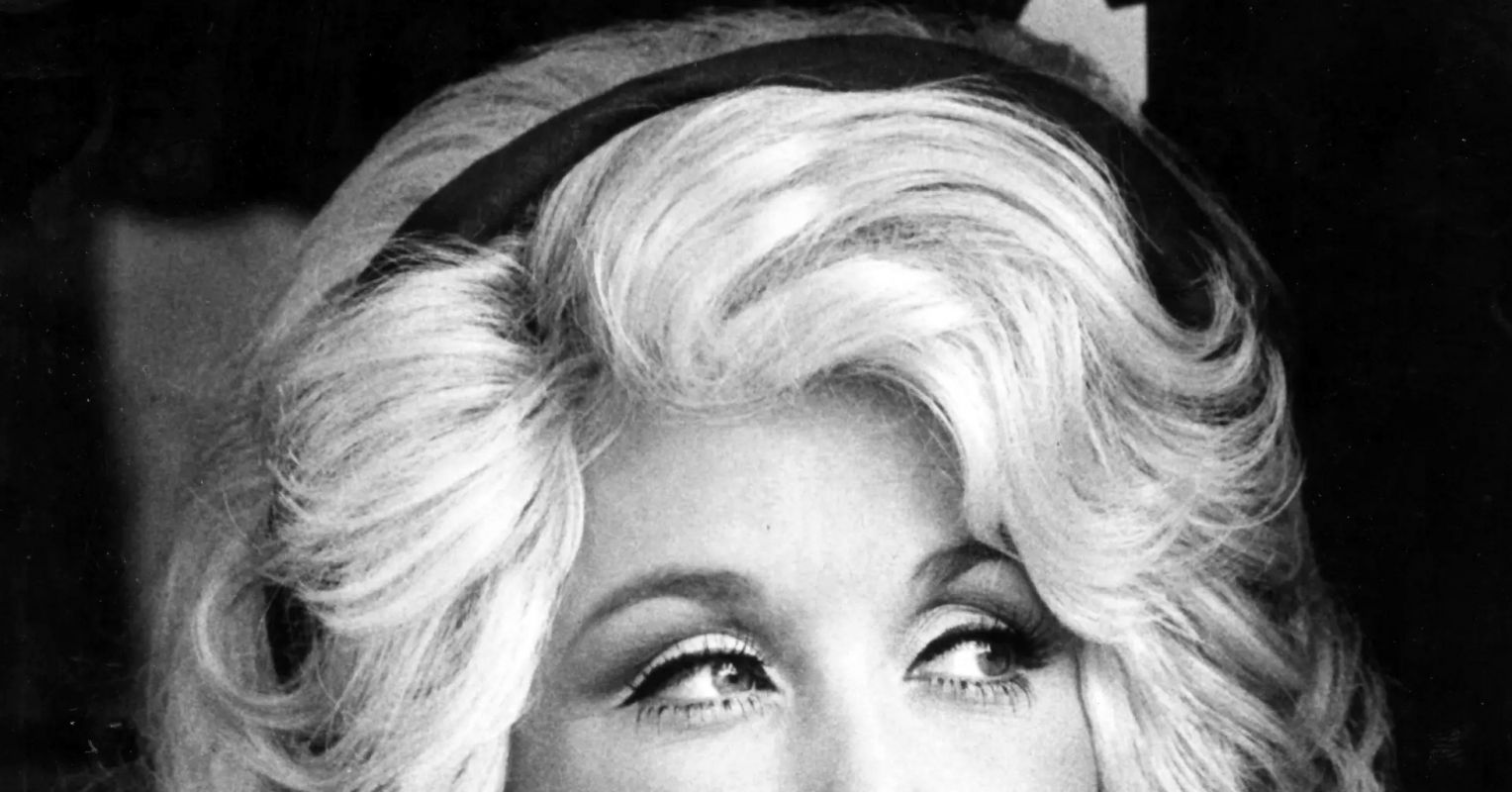
Few public figures appeared more unmistakably themselves than Dolly Parton. Her wigs, makeup, voice, humor, stories, and rhinestone-studded image became so familiar that they eventually seemed inseparable from the woman herself. Yet there was something paradoxical about Dolly. She built one of the most recognizable personas in modern culture while retaining an unusual degree of control over what the public could know about her, and a legitimately private life beyond.
A modern perversion of authenticity conflates it with transparency. Support for this misguided understanding amounts to what some have called a “cult of authenticity,” which encourages embracing maximum vulnerability and removing masks that prevent others from seeing us as we really are. Privacy often appears suspect within this framework. Boundaries can look defensive.

The public Dolly was not merely a disguise concealing the real Dolly. Still, by her own account, the public Dolly was indeed one of her creations: an artistic, commercial, and psychological achievement assembled over decades. The hair, humor, storytelling, glamour, and stagecraft were part of her, yes. But she herself said that all of that was a relatively small part of her. And what of the larger part of her? Beyond carefully curated anecdotes, repeated time and again, we may know far less than you think.
Erving Goffman observed decades ago that human beings are always presenting themselves. We occupy roles, adapt to circumstances, and move among different social worlds. The self we bring to a funeral differs from the self we bring to a dinner party. The self we bring to a workplace differs from the self we bring to a marriage. Most people understand this.
There is an important difference between deception, performance, and privacy. Deception presents something false in order to manipulate others. Performance highlights and develops certain aspects of the self for a particular audience or purpose. Privacy preserves those aspects of the self that do not belong to the audience.

The cult of authenticity tends to collapse these categories. If a person withholds information, they risk being viewed as guarded. If they present different aspects of themselves in different settings, they may be accused of inconsistency. The ideal increasingly becomes a kind of perpetual and progressive self-disclosure.
No audience is entitled to the whole self. No employer or online following possesses an unlimited claim on another person’s interior life. A healthy boundary is not a lie. Privacy is not pathology. Selective self-disclosure is not necessarily avoidance.
Parton’s public life offers a useful illustration. Few entertainers appeared warmer or more accessible. Audiences felt connected to her. They laughed with her, grieved with her, and followed her across generations. Yet there remained parts of her life that belonged only to her. She shared generously while retaining authority over what remained her own. Far from diminishing connection, those boundaries may have made connection sustainable.
Her Imagination Library has distributed over 332 million books to children without asking anything in return. No one needed to know anything about Dolly to participate. Her public persona was large enough to attract attention but not so self-absorbed that attention became its ultimate purpose.
Hannah Arendt drew a distinction between what a person is and who a person is. The former can be catalogued and described. The latter emerges indirectly through action. Throughout her career, Dolly resisted the expectation that visibility should grant unlimited access to the person behind it. She allowed herself to be known through what she created, what she gave, and what she did rather than through endless revelation.
Human flourishing does not require complete exposure. A psychologically healthy person is not necessarily one who dismantles every boundary, confesses every private thought, or transforms every corner of life into public property. Some forms of integrity depend upon preserving a space that remains beyond the reach of audiences and institutions. There are things about a person that can be shared, and there are things that should remain under that person’s stewardship alone.
Dolly Parton’s achievement was not that she gave the world everything. It was that she gave the world a great deal while maintaining boundaries and retaining relative ownership and control of her private life.
The cult of authenticity tells us that the path to psychological health lies through ever-greater transparency. Parton’s life suggests a different possibility. A person can be theatrical, curated, personally boundaried, and deeply real all at the same time.
Authenticity Essential Reads
One of the most authentic things a person can do is decide what parts of themselves belong to the world and what parts do not.
