


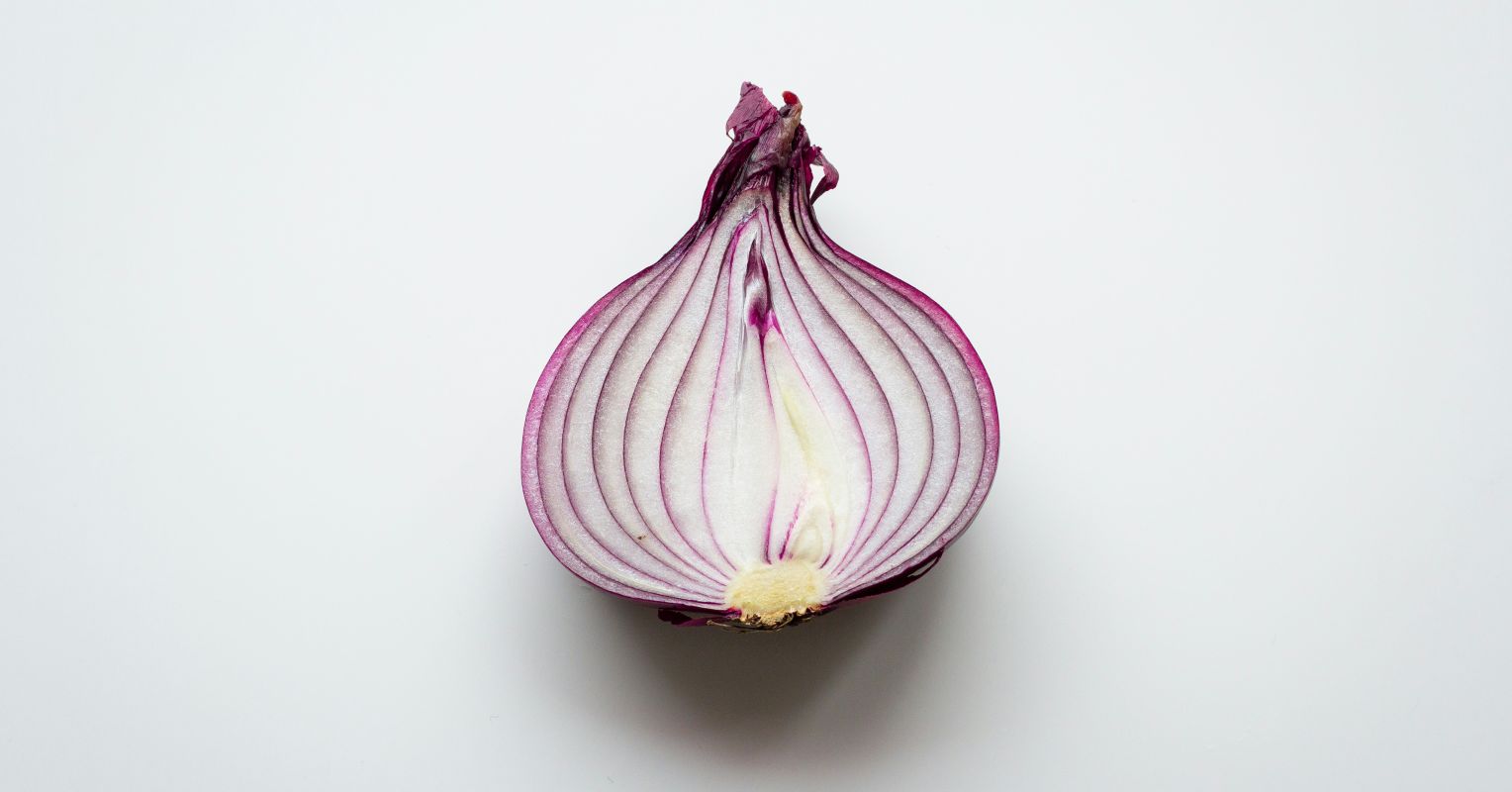
Friendships tend to change over time. Sometimes a friendship that fit well when you were in a previous stage of life no longer does. Even knowing that it’s normal that many friendships do not last a lifetime, it’s still important to know if you feel healthy in your friendships now.
It’s important to nurture your friendships so:
- You feel mutually supported.
- Your values are understood (even if not mutually shared).
- You have a healthy level of communication.
Friendship Warning Signs Include:
- The relationship feels one-sided.
- You are the one who always reaches out.
- You aren’t eager to respond when your friend reaches out.
- Your friend doesn’t show up for important events.
- You no longer share or feel aligned with the same interests, goals, or values.
- Bullying, abuse, or cruelty is present in the friendship.
- The friendship feels off balance overall.
Onion Layers of Friendship

Think of your relationships and their value as existing in the layers of an onion. There is no right or wrong and no perfect number of onion layers. Each individual’s friendship/relationship onion will be different. For example, people at the center or core are the ones whose presence you most value and want in your daily life, but you define the remaining layers (e.g., level of friendship/values) by what’s healthiest for you. Moreover, you decide how connected you feel to each person and where they will be in your onion layers.
As you grow and change, so will what you value in your friendships. As a teenager, you may have felt aligned with and highly valued friends who were risk-takers. This may have shifted over time so that now those who share the value of thoughtful/cautious adventuring are closer to your core. Friends can move between layers throughout your life for many reasons. Make thoughtful and informed decisions about friendships based on experiences, growth, and communication.
You may feel undervalued or have unfulfilled expectations when there is a mismatch between you and your friend’s placement in each other’s onions. For example, you may have a friend in the first layer, while they see you as someone in their fourth layer.

Take time to reflect on your personal relationship onion.
Define your layers in terms of the values, closeness, and expectations you would hope for from people at each layer.
- Who is at the core of your onion? What indications do you have that they would place you similarly in their own onion?
- Where would you place your current friends, colleagues, acquaintances, etc.?
- Who would have been at a different layer if you were thinking this through two years ago?
Social Media Pitfalls
Social media pressures you to feel like you need to stay connected with people from every stage of your life. The truth is, you can’t consistently show up in an individualized way for hundreds or thousands of people.
You may experience FOMO (a fear of missing out) if you see friends posting photos online about events you weren’t invited to. This can feel hurtful if you feel intentionally left out or if you are worried it means they don’t value your friendship in the same way.
Allow yourself to step back and reflect on the circumstances of the event. Brainstorm all the reasons that you weren’t invited (e.g., maybe it wasn’t their event and they were allowed only one guest, if any). Such events are a good opportunity to check on the potential mismatch in how you have placed each other in the layers of your own onions. Maybe you have them as a core friend, and they have you in layer two; the expectations are different.
Find ways to self-soothe if there is a mismatch. You can’t force people to stay in a relationship with you, though sometimes your friend doesn’t know that you felt hurt or left out, or like there is a mismatch.
Communication Is Key
Talk to your friend openly, honestly, and in a genuinely curious (not judgmental or critical) way. Model how you want to be communicated with. Use “I” and “we” language. Empathize with their feelings and perspective. Collaborate to find mutual communication agreements (e.g., if either of you feels hurt, you agree to tell the other).
Don’t ghost people. Ghosting is when you stop communicating with someone and hope they will eventually get the hint that you don’t want to be their friend. If you see them as a seasonal friend, be clear about how much you’d like to interact. For example, “It was great catching up, let’s do this again in six months,” or “I enjoyed our conversation. Could we schedule a 30-minute check-in three months from now?”
Clear is kind. Choose the depth of conversation you want or need to have, depending on your relationship with that person.
Expectations Need to be Clear
As you consider having check-in conversations:
- What are the levels of friendship that I’m hoping for from this person?
- What makes me want to be friends with them?
- What feels healthy about this relationship?
- How do I want to navigate identifying if this feels like a good fit?
The Importance of Balance
Friendships cannot always be 50/50. It’s normal for there to be ebbs and flows in friendships, and these changes don’t always need to be perfectly defined. You may have a core friend from high school you haven’t talked to in years, but who would be there if you needed them in a crisis.
There will be times in your life when you will not be able to show up in your friendship the way you want. Communicate the barriers you are facing. Ultimately, it’s important to find the right balance in how much energy you are each putting into your friendship.
To learn more, check out this YouTube Video in which Dr. Stacey Gedeon and I talk about friendships.
