


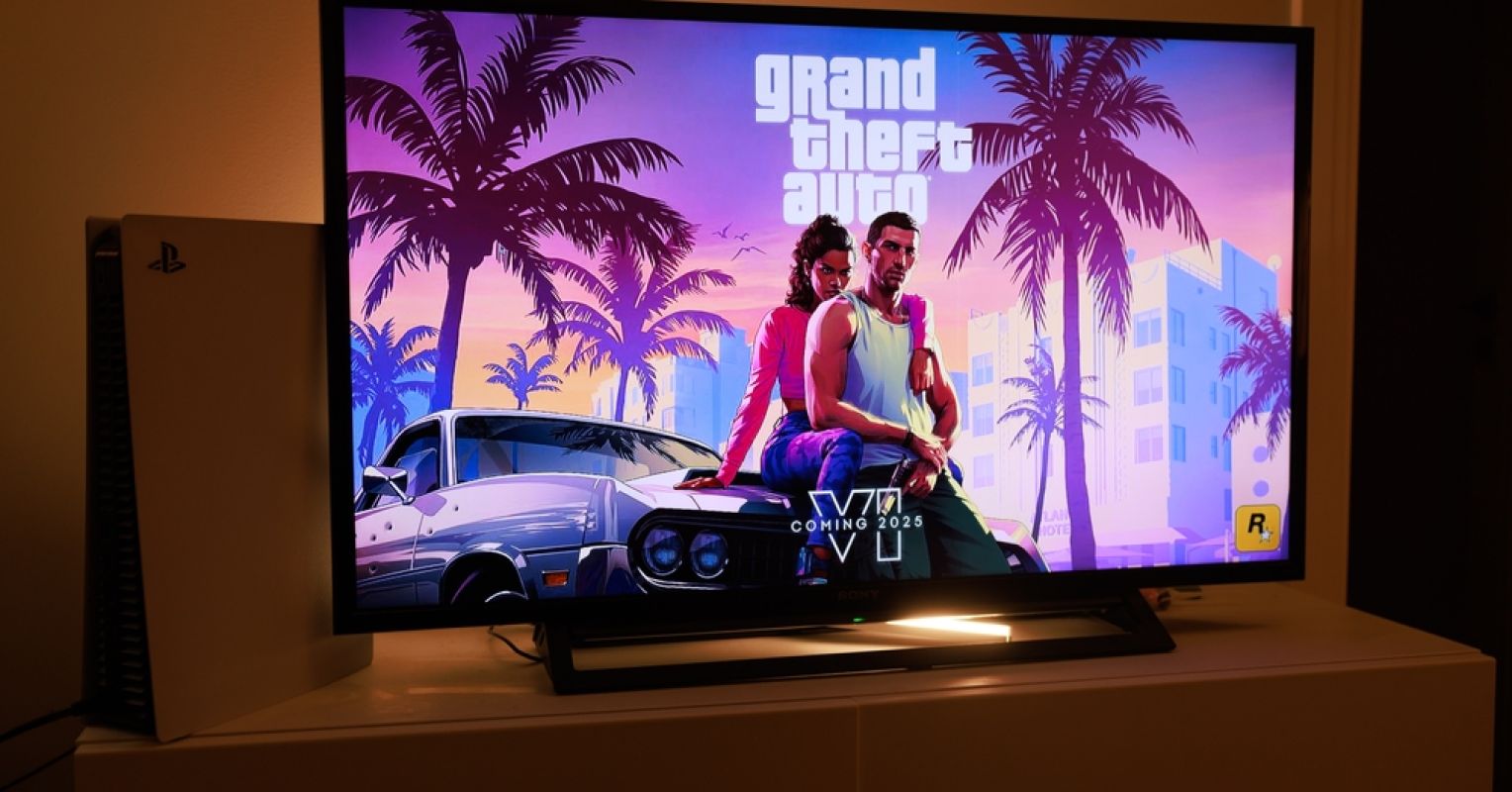
After 13 years of anticipation, Grand Theft Auto VI (GTA VI) has finally arrived, and many people are signing off from their lives and signing on to the virtual world. Set in the fictional, Florida-inspired state of Leonida, the latest installment takes you through palm-tree-lined streets, lavish estates, neon-lit nightclubs, and alligator-infested swamps. In this world, you can cruise in a sports car listening to a killer soundtrack featuring artists such as Tame Impala, Lana Del Rey, Travis Scott, and PinkPantheress.
The graphics and attention to detail are remarkably realistic, making the experience immersive, even when painting your virtual bedroom in anticipation of your girlfriend coming home from prison.

In the weeks leading up to the release, it has been intriguing to see how frequently the excitement surrounding this game has made its way into my therapy sessions. So many people have talked about taking time off from work and booking hotel rooms so they can play uninterrupted. Many are considering skipping the holidays this year and spending Thanksgiving in Vice City rather than at the dinner table with their families.
As a couples therapist, I find this idea of disappearing into a virtual world fascinating, and to some extent, understand the appeal. Who wouldn’t want to check out right now? Between geopolitical tensions and the threat of AI taking people’s jobs, reality hasn’t been doing a great job of selling itself lately.
Entering a world where you don’t have to worry about grades, respond to your mother’s texts about the holidays, or figure out what to make for dinner while accommodating everyone’s increasingly complicated dietary restrictions can be appealing. But when does checking out become a problem for your relationship?
I. When Was the Last Time You Put That Much Thought (and Energy) into Spending Time With Your Partner?

Interestingly, at the center of GTA VI is the story of a couple, Jason and Lucia, who rely on one another to survive. Imagine spending hours navigating the complexities of a fictional couple’s relationship while neglecting your own.
It’s remarkable how resourceful we become when we truly want something. Couples regularly tell me they’re too busy and too exhausted to plan date nights, weekend getaways, or even small, thoughtful gestures. Yet many of those same people somehow find bandwidth to take days off work, book hotel rooms, and clear their schedule for a video game.
A person may spend six hours tending to their virtual snake and re-stealing a car, but an hour of bedtime for their children feels like a waste of time. In Vice City, they have energy to strategize, learn from their mistakes, and keep trying, but when it comes to being emotionally available for their partner, they’re ready to call it a night. Getting their relationship with Lucia from “Running on Empty” to “Hot Together” is worth an entire weekend, but planning an outing with their real partner requires three weeks’ notice and a Google Calendar invitation. These are signs that focus on the game is having a negative effect on the real-world relationship.
Part of the appeal is that, in the game, the objectives are clear. Real relationships are messier. There are no YouTube tutorials walking you through every challenge or showing you how other people solved it. Still, if you can devote hours to mastering the complexities of repainting your car, finding new sunglasses, and stashing your weapon, some of that patience and determination can also be made available for the people in your real life.
II. You Feel Like Your Partner Is Getting in the Way of Your Fun
If your partner is repeatedly calling you for dinner or your children are begging you to come see something they’ve been building, and these requests feel like inconveniences standing between you and your next engine upgrade, it might be worth examining what’s happening.
Relationships Essential Reads
Fascinating how buying flowers, answering texts, and remembering a girlfriend’s preferences can become second nature to a person when a little heart pops up on the screen to celebrate, while managing these things in real life can feel like a difficult challenge.
It’s important to remember that one of our most fundamental attachment needs is knowing that we can reach our partner and that they will respond when we need them (Johnson, 2008). When mundane attempts at connection generate responses of irritation or withdrawal, people will eventually learn to stop reaching out. Maybe initially, the peace and quiet can feel like a victory, but eventually, it will get in the way of what we really want, which is meaningful, loving, and connected relationships.
III. You’re Making Unilateral Decisions About Your Shared Life
Booking a hotel room to spend three days playing a video game while your spouse drives your kids to soccer practice or plans your family’s Thanksgiving meal is not a decision that just concerns you. Being in a committed partnership doesn’t require relinquishing your personhood. It does, however, involve recognizing that your choices have consequences for other people.
Creating a couple bubble is about establishing a mutual agreement to protect and prioritize the relationship and look out for each other (Tatkin, 2012). It is healthy to want some space for our hobbies in our relationship, but when our leisure comes at our partner’s expense, that will hurt the partnership.
IV. Your Partner Is Turning Into Your Mother
In my practice, I see many couples whose romantic relationships gradually deteriorate into parent-child dynamics. One partner assumes more of the adult responsibilities. They begin monitoring screen time, reminding the other person of their obligations, managing household chores, worrying about their health, keeping track of bedtimes and meals, and making sure someone shows up to pick up the kids.
Meanwhile, the partner being “parented” feels criticized, controlled, micromanaged, and deprived of their freedom. This is not a healthy dynamic between adult partners.
V. You’re Using Gaming to Avoid Intimacy
The most alluring part of an alternate reality is that you can leave your emotional baggage behind. You don’t have to process grief, worry about your aging parents, or think about the Christmas gifts you can’t afford.
You can avoid difficult conversations about whether you’re going to get married or try IVF treatment. And of course, unwinding is important to recovery, but before you know it, you can find yourself looking forward to your partner falling asleep so you can finally enjoy your evening by yourself.
VI. Your Virtual Life Is More Fulfilling Than Your Actual Life
You’re working tirelessly to get your relationship with Lucia to “Hot Together” while your actual partner is wondering whether filing for divorce would finally unlock your attention.
The desire to escape isn’t abnormal or shameful. We’re overloaded and overstimulated. Real life is difficult, and our sense of agency is constantly challenged. However, it is valuable to understand what exactly it is that we are running away from.
As much as the desire to retreat into a different reality is understandable, we also could make our actual lives different, but of course, making real-life changes requires being present.
None of this means we can’t enjoy the art, music, and unapologetically excessive world that GTA offers. But the real challenge isn’t completing another mission; it’s figuring out how to bring some of that same excitement, curiosity, and determination back into your relationship.

