


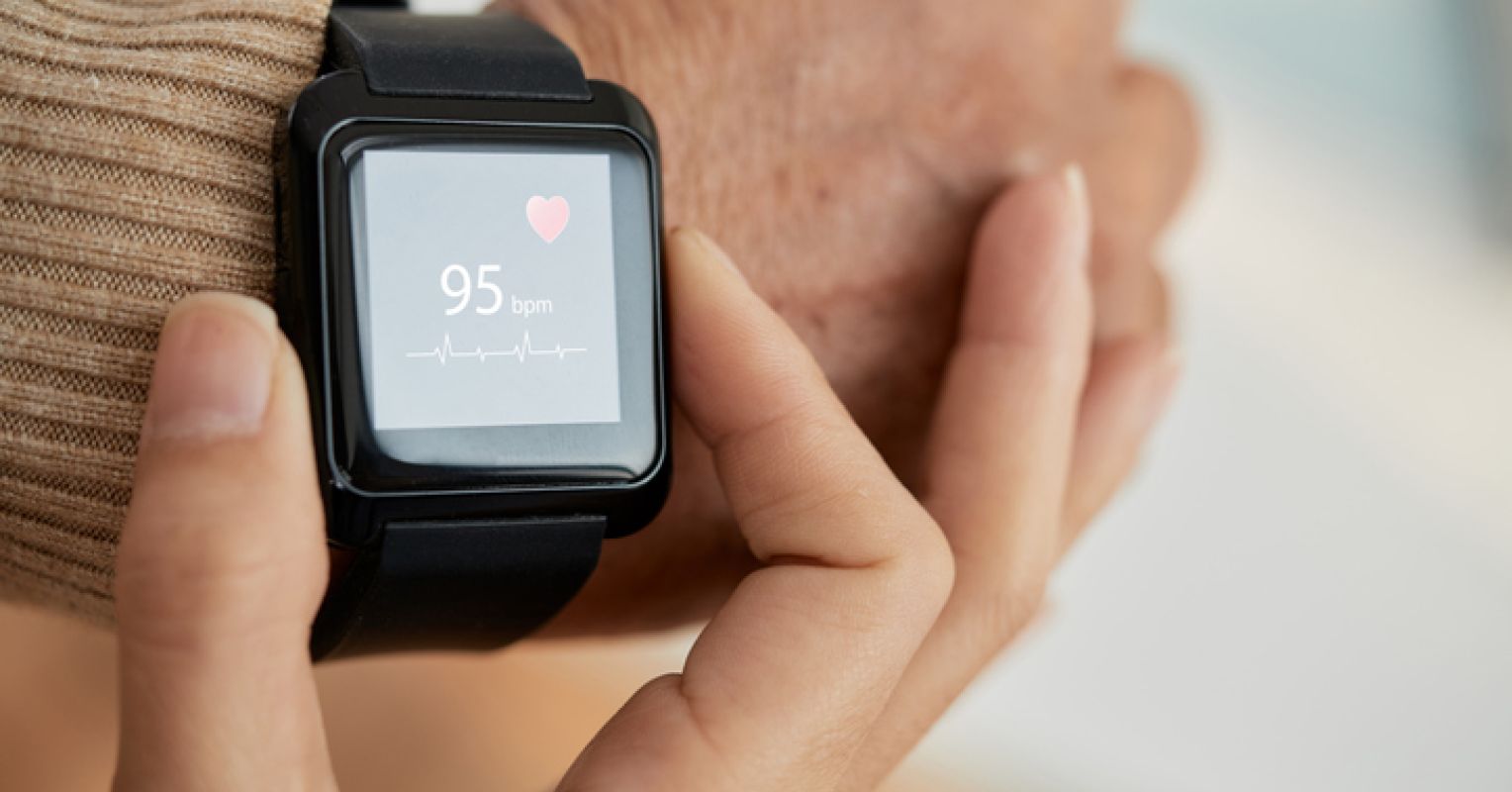
If you have health anxiety and/or recurring panic attacks, it might be time to ditch your body monitoring devices.
A recent article in the New York Times focused on the Oura Ring and other devices and highlighted that for some individuals, body monitoring can make you more anxious, even if you think it is helping you.

People with health anxiety, as well as those with recurring panic attacks, tend to be hyper-focused on body sensations. You feel like you are at risk for some health issue and that to be a responsible person, you need to monitor body symptoms.
Before the advent of smart rings and watches, before so many of us had pulse oximeters in our homes, people could still take their pulse on their own or mentally pay attention to symptoms. However, these devices have taken everything to the next level. We can now get so much more data about our body’s functioning. While many people think this is the responsible thing to do, it can often worsen anxiety in those who are susceptible to it.
The Problem with Body Monitoring
Here are some of the main issues with body monitoring:
- It reinforces your anxiety. For those with anxiety, the act of monitoring your body is giving yourself the message: I am at risk for something bad happening, so I need to monitor. Unless a doctor has specifically told you to monitor in this way, you are not keeping yourself safe, and you are feeding into your anxiety.
- It makes you less tolerant of uncertainty. Suppose you check your watch when your heart rate starts to increase to ensure it doesn’t go too high. In that case, you are depriving yourself of the ability to tolerate uncertainty. It is normal for heart rates to fluctuate, and you don’t need to check it. It’s OK if you don’t know how many beats per minute your heart beats at any given time.
- You are giving yourself more opportunities to catastrophize. Using devices to monitor your body gives you too much data. In turn, you might catastrophize these numbers. Someone might think, “I only got 45 minutes of deep sleep last night; I am going to get dementia!”
- The act of monitoring might increase your anxiety. If you know you are about to check your blood pressure, it just might make it go up due to anticipatory anxiety. In a fascinating study of patients with atrial fibrillation, some participants wore devices that monitored their heart rates, and others did not. Those who wore the devices were significantly more preoccupied with symptoms, reported more anxiety, and were more likely to utilize the healthcare system than those who did not wear devices (Rosman et al., 2024).
How to Stop Monitoring
- If you have any medical concerns, check with your doctor. Tell them your concern, what you are doing to monitor your body, and how frequently you are doing it. Check with them to see if you are doing it an appropriate amount. Chances are, if you have anxiety issues, you probably are doing it too much.
- Give yourself permission to not monitor your body. Many people think that it makes them a responsible person to monitor their body. That’s not the case. Think about it, these devices have not been around for that long. Twenty years ago, people were just fine without them.
- Get rid of your devices or put them out of sight. If you think it might be too tempting to keep them in your home, give them to someone else. Remind yourself that you don’t need these devices to keep you safe; they are just reinforcing your anxiety.
- Focus on doing things you enjoy and not on your anxiety. What important or fun things are you not doing because of your health anxiety or panic attacks? Make a plan with yourself to start doing them. focusing on the things you value can make your life much more fulfilling than focusing on your anxiety.

Admittedly, these are all easier said than done, and it takes practice. If you find that you are very anxious about your health or are having recurring panic attacks, a therapist who specializes in anxiety could be helpful.


