


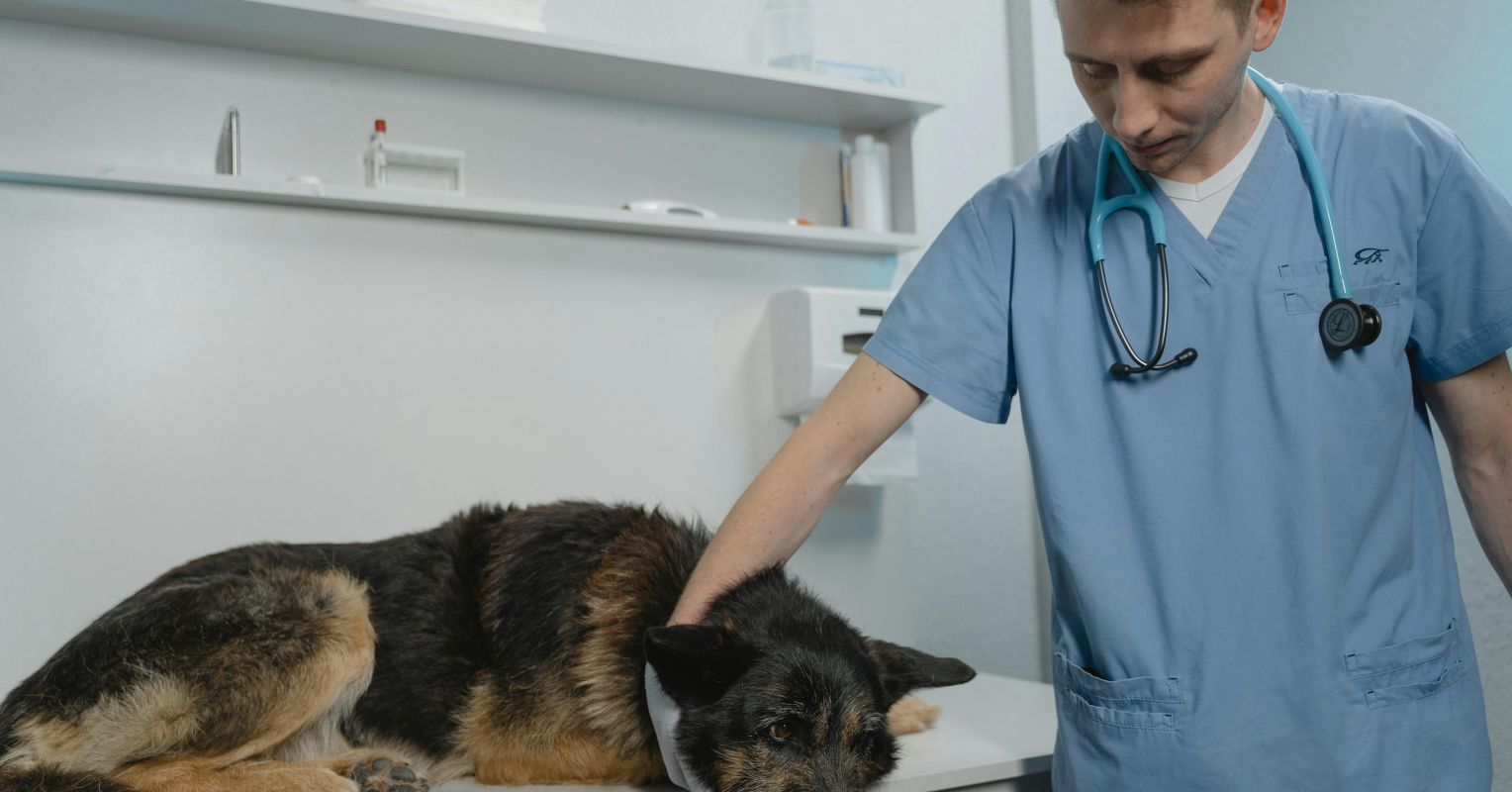
Every morning, animal rescue workers and veterinarians walk into their clinics, shelters, and hospitals ready to save lives. Yet, behind the scenes of wagging tails and grateful families lies a reality few outside the profession understand: the emotional toll of caring for animals can be devastating. In recent years, the mental health crisis among animal care professionals has come sharply into focus, with suicide rates among veterinarians and animal rescue workers among the highest of any profession. This is where veterinary social work steps in—not just to support grieving pet owners, but to save the lives of those who dedicate themselves to saving animals.
The Silent Crisis: Suicide in Veterinary Medicine and Animal Rescue
The numbers are sobering. Veterinarians in the United States are 3 to 5 times more likely to die by suicide than the general population, with female veterinarians at particularly high risk. Animal rescue workers face a suicide rate of 5.3 per million—on par with firefighters and police officers. The reasons are complex: daily exposure to suffering and death, ethical dilemmas, compassion fatigue, and the emotional burden of euthanasia all play a role.

Consider the story of Dr. Jian Zhicheng, a Taiwanese veterinarian and shelter director who died by suicide after being forced to euthanize hundreds of dogs due to overcrowding and lack of resources. Despite her tireless efforts to rehome animals and promote adoption, the weight of these decisions became unbearable.
Or Dr. Sophia Yin, a renowned veterinary behaviorist and advocate for humane animal training, whose suicide at age 48 in 2014 sent shockwaves through the veterinary community. And it’s not just veterinarians – other types of animal caretakers, such as animal rescuers, are feeling the pressure. Recently Mikayla Reines, 29, founder of SaveAFox rescue was found to have ended her own life after suffering from cyberbullying after posting on social media about her rescue work. All three were beloved, dedicated professionals who struggled with the emotional cost of their work.
These tragedies are not isolated. Surveys reveal that veterinary professionals think about suicide three to five times more often than the national average, and nearly half report high levels of emotional exhaustion. Many suffer in silence, fearing stigma or believing that seeking help is a sign of weakness in a profession that prizes resilience.
What Is Veterinary Social Work?

Veterinary social work is a specialized field that addresses the intersection of human and animal well-being. Originating over 30 years ago, it has grown to include professionals working in veterinary hospitals, animal shelters, and academic settings. Veterinary social workers are trained in grief counseling, crisis intervention, compassion fatigue, conflict mediation, and the prevention of both human and animal abuse.
Their work spans four main areas:
- Grief and bereavement support for pet owners and staff
- Compassion fatigue and burnout prevention for animal care professionals
- Addressing the link between human and animal violence
- Facilitating animal-assisted interventions for human mental health
How Veterinary Social Work Saves Lives
1. Supporting the Emotional Health of Animal Care Workers
Veterinary social workers provide individual and group counseling, debriefings after traumatic events, and workshops on stress management and resilience. They create safe spaces for veterinarians, technicians, and rescue workers to process grief, frustration, and ethical dilemmas—feelings that, left unaddressed, can lead to depression and suicidal thoughts.
“Veterinary staff are compulsively driven to achieve, to succeed: Failure is not an option, though it is a very real fact of life. Social workers help veterinarians and veterinary staff to understand how their daily interaction with clients can impact them… Social workers can intervene before a person enters an emotional crisis and serve as a bridge to outside mental health resources.”
Compassion Fatigue Essential Reads
2. Easing the Burden of Euthanasia and Loss
Few outside the field realize how often veterinarians and shelter workers must euthanize animals—sometimes due to illness, sometimes because of overpopulation or lack of resources. The emotional fallout can be profound, as seen in the stories of Dr. Zhicheng, Dr. Yin and Mikayla Reines. Veterinary social workers guide animal caretakers through these experiences, offering coping strategies and helping them process guilt and grief.
3. Bridging the Gap for Pet Owners
Veterinary social workers also support pet owners facing difficult decisions, such as euthanasia or end-of-life care. By counseling families and facilitating conversations, they relieve some of the emotional labor from veterinary staff, allowing them to focus on medical care while knowing their clients are being supported. This dual support system reduces the risk of burnout among veterinarians and improves outcomes for everyone involved.
4. Changing the Culture of Veterinary Medicine
Introducing social work into veterinary settings is shifting the culture from one of silent suffering to one of openness, support, and resilience. Social workers model healthy coping strategies, advocate for mental health resources, and help institutions develop policies that prioritize staff well-being. This cultural change is essential for breaking the cycle of isolation and despair that has led so many to tragedy.
Stories of Hope: The Impact of Veterinary Social Work
At institutions like Cornell University and Austin Pets Alive!, veterinary social workers are making a tangible difference. They facilitate pet loss support groups, offer crisis intervention, and provide ongoing education about compassion fatigue and self-care. Staff report feeling less isolated and more empowered to seek help when needed.
One shelter worker shared, “The social work team sees firsthand the toll that caring for animals can have on people… That prolonged exposure can lead to vicarious trauma, compassion fatigue, burnout, and exhaustion, that affects not only your professional life but your personal life too”. With social work support, these burdens become more manageable, and lives—both human and animal—are saved.
Looking Forward: Building a Sustainable Future
The mental health crisis in veterinary medicine and animal rescue is real, but it is not insurmountable. By integrating veterinary social work into clinics, shelters, and hospitals, we can build a future where those who care for animals are cared for themselves. This means funding social work positions, destigmatizing mental health struggles, and ensuring that every animal care worker knows they are not alone.
The stories of Dr. Jian Zhicheng, Dr. Sophia Yin, and countless others remind us of the stakes. Veterinary social work is not just about supporting pet owners or improving clinic culture—it is about saving the lives of the healers who make animal care possible.
To find a therapist or social worker near you, visit the Psychology Today Directory
