


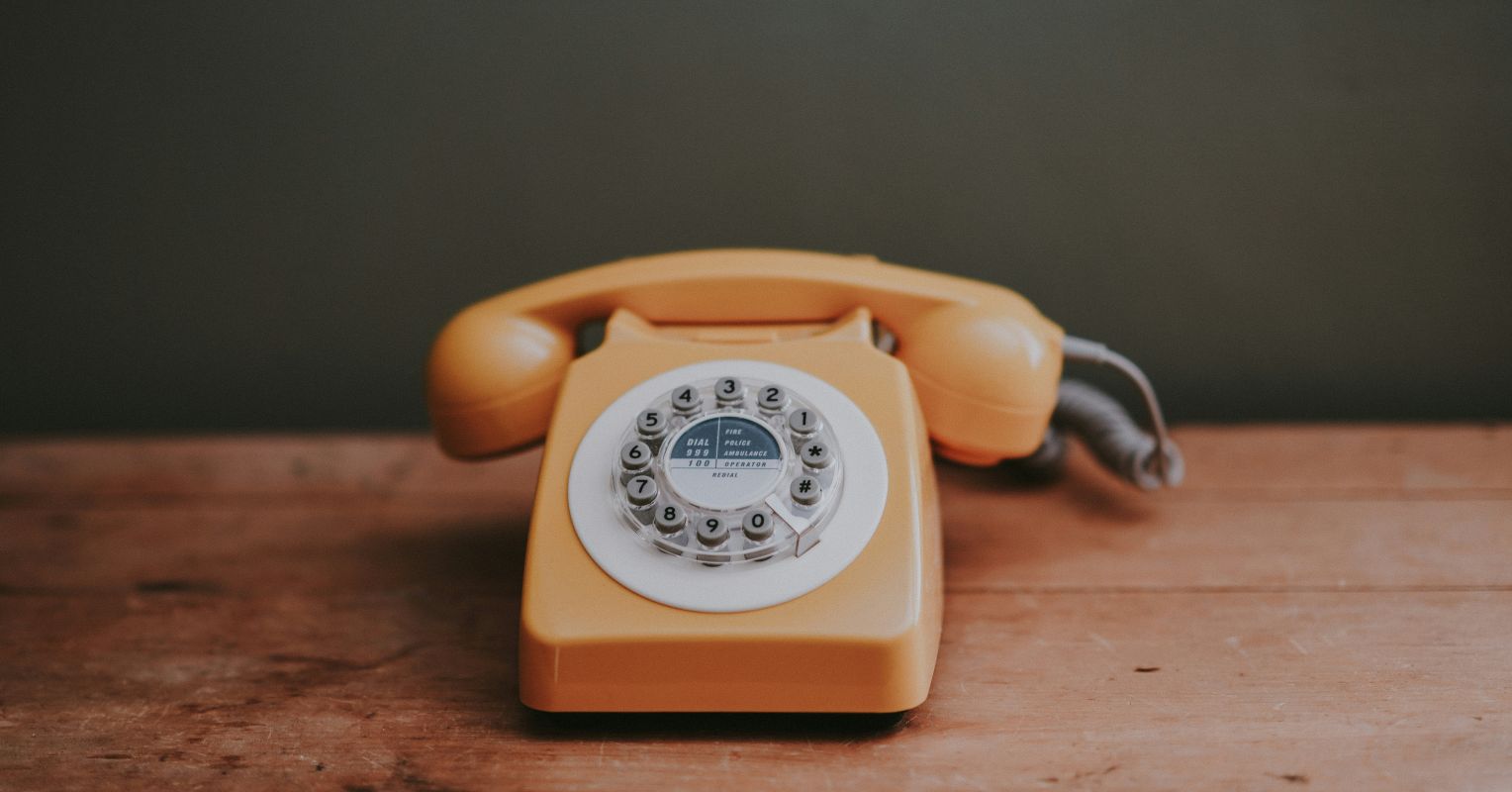
If I had my way, nobody would call me on my birthday.
Every year, the calls start in the morning and keep coming well into the evening. Each call sounds like some version of this: “Happy birthday! How does it feel to be a year older? What are you doing to celebrate?”

I give the same answers, make some small talk, and go through an awkward goodbye. By the end of the day, I’ve spent more time on the phone than on what I had actually planned.
A “happy birthday” text would be great. So would a card or an email. I’d read each one and probably respond with something more thoughtful than I can manage on an unscheduled phone call.
And yes, I know how this sounds. Rude, ungrateful, obnoxious. These are people who love me and want to help me celebrate, which is why I do pick up the phone on my birthday, unless I’m in the middle of something.

It’s not just on my birthday, though, that I don’t want to answer the phone. And I’m not alone in that. A 2024 Uswitch survey found that a quarter of 18-to-34-year-olds never answer calls and 70 percent prefer texts. To many older adults, that reads as disrespectful. But here’s what’s happening on our end.
Why We Avoid Phone Calls
It demands immediate attention.
A text waits until I’m ready to respond. A phone call requires my attention right here, right now. Because I don’t work a typical 9-to-5, people often assume I’m free at any hour. When the phone rings in the middle of a focused work block, answering means dropping everything and rebuilding my concentration later.
It requires a live performance.
Picking up the phone means being “on.” I have to answer in real time, with no chance to pause and choose my words. Texting gives me a safety net (and a backspace button). Calls also come with small talk I didn’t sign up for and an uncomfortable goodbye that takes three attempts to complete. It’s all doable, but it is draining.
It feels inefficient.
I have a mug on my desk that says, “This should have been an email.” Calls rarely stick to the question someone called about. Someone calls to ask what time dinner is on Sunday, and 20 minutes later, we’ve discussed the weather and politics. And while I enjoy catching up, I’d rather do it when I can give the conversation my full attention. For a quick question, a text gets the answer across in seconds and leaves a record I can scroll back to.
It creates unnecessary anxiety.
For Gen Z, everyday communication happens primarily over text. So when we get a surprise phone call, the alarm bells go off. Any time my phone rings, I immediately think, “Oh no! Who died?” Every. Single. Time. Maybe that has more to do with my anxiety disorders than anything else, but stress around phone calls is common among Gen Zers. The same 2024 Uswitch survey found that more than half of young adults associate unexpected calls with bad news. So a call just to say hi or ask a simple question causes unnecessary anxiety, which is why we prefer a text.
To be clear, talking on the phone is an important skill, and plenty of Gen Zers struggle with it. That’s a separate issue that deserves its own post.
Where I Fall Short
Last week, my grandpa called me with a logistical question. (I know this because I listened to his voicemail, which I’d like some credit for.) I was working, so I let it ring and planned to call back later. Then I forgot. The next morning, I emailed him the answer.
Through the family grapevine, I learned that he was annoyed for two reasons: I didn’t pick up, and I answered him by email.
He had a point. Calling is how many people prefer to connect, and if I want a close relationship with them, I need to meet them there. I should have called back that evening, even if a 15-second answer turned into a 15-minute conversation. Relationship researcher John Gottman calls moments like this “bids” for connection. My grandpa made one, and I turned away from it. That’s something I need to work on.
Relationships Essential Reads
A Proposed Compromise
Owning my part also means being honest about his. He expected me to answer the moment he called, which is a hard expectation for anyone to meet. I can’t always talk when the phone rings, and that says nothing about how much I care.
So here’s the compromise, which might work for your family too: I will pick up the phone when I’m free and call back when I’m not. In return, please don’t take it personally when I can’t answer right away.
A few small habits on your end can make this compromise easier to keep:
- Text first: A quick “Free to talk tonight?” removes the alarm of an unexpected call and lets us pick a time when I can give you my full attention.
- Match the medium to the message: If you have a question that requires a short answer, a text works. If you want to catch up or have an emotional conversation, a call is better.
- Save surprise calls for urgent moments: That way, when my phone rings unexpectedly, I know it’s important, and I’ll answer.
Gen Z and older generations want the same thing from each other: to feel valued. We just measure it differently. For many older adults, picking up the phone signals care. For many Gen Zers, respecting someone’s time and energy does. Understanding that makes it easier to give each other the benefit of the doubt, one missed call at a time.

