


People who practice animal law depend on scholars and advocates in other fields to provide the information they need to do their important work, but does this advice really reduce or end exploitation? In their fascinating and important new book Empirical Animal Law: Testing the Assumptions of a Movement, Justin Marceau, David A. Dana, and Janice Nadler offer answers to this and other important questions by insisting that lawyers working in this field must empirically test their assumptions and learn from their mistakes.
This book should be read not only by lawyers and legal scholars but also by researchers like me. It’s heartening and extremely important to see actual data about the effectiveness of research in the field of cognitive ethology, the study of animal minds, and whether or not what we learn makes a difference in the lives of the animals themselves. I remain optimistic that their detailed analyses will be a positive move for increasing animal well-being across diverse species.

Here’s what Marceau had to say about this first comprehensive, data-driven account of how animal law operates in practice in which he and his co-authors call for a new empirically informed movement. This book is a gold mine of information and I couldn’t agree more with what they write.
Marc Bekoff: Why did you and your colleagues write Empirical Animal Law?
Justin Marceau: It is hardly controversial to recognize that the law does a poor job of protecting the lives and interests of animals. The law allows activists who attempted to rescue beagles from cruelty to be treated as criminals, while shielding directly or through practice the very institutions that harm animals. Factory farming has increased across the U.S. in recent decades. Animals continue to be bred for our fashion, consumption, entertainment, research, and sport. And almost all of this is perfectly legal.

Much of this harm remains invisible to the public despite decades of work by activists and lawyers. For some in the movement, this means that all hope is lost. There are people out there claiming that animal protection efforts have failed. Our book is a bit more optimistic, or at least focused on what is working and what is not working.
Specifically, we are legal scholars, including Janice Nadler, a renowned social scientist, and we wanted to study the strategies and assumptions of animal advocates. What kind of assumptions are we making about how best to make progress for animals, and what could be done better? In short, we wrote the book to test the assumptions of our movement about what is working and what does not work.
MB: Who do you hope to reach?
JM: It is an academic book so we expect it to be useful to researchers. But we also wrote the book in an accessible format so that it can be picked up and discussed by animal advocates and lawyers across the country. Our critiques and guidance are borne out of the more than a dozen original empirical studies we conducted for the book, and we hope that the data we share in the book will help inform the next generation of advocacy on behalf of animals.
MB: What are some of the topics you consider and what are some of your major messages?
JM: The book has several different types of studies and analysis: (1) studies on the role of incremental reform in achieving more radical reform or animal rights; (2) factors that influence our opinions about the moral standing of animals; (3) the impacts for animals and humans of a carceral or tough-on-crime approach to animal law; (4) the role of protests in social change; (5) the theory of “winning by losing” in litigation or lawmaking; and (6) questions of who are the best messengers and what are the best messages for animal advocacy and outreach.
We think that each of these topics and studies brings new insights into questions that the animal protection field has either ignored or taken for granted. The major theme of the book, captured by the subtitle, is: Testing the Assumptions of a Movement.
One set of studies that we think are particularly important examines the relationship between an animal’s perceived moral standing and their Intelligence, emotional intelligence, or sentience.
Intelligence Essential Reads
Animal lawyers and advocates have long assumed that the law will “follow the science.” That is to say, the law will inevitably provide more protection as we learn more about the intelligence or capabilities of animals. “Just show them more science!” it is often proclaimed.
Our studies, drawing on thousands of participants, suggest that learning more about the inner lives of animals probably does matter, but it is complicated.
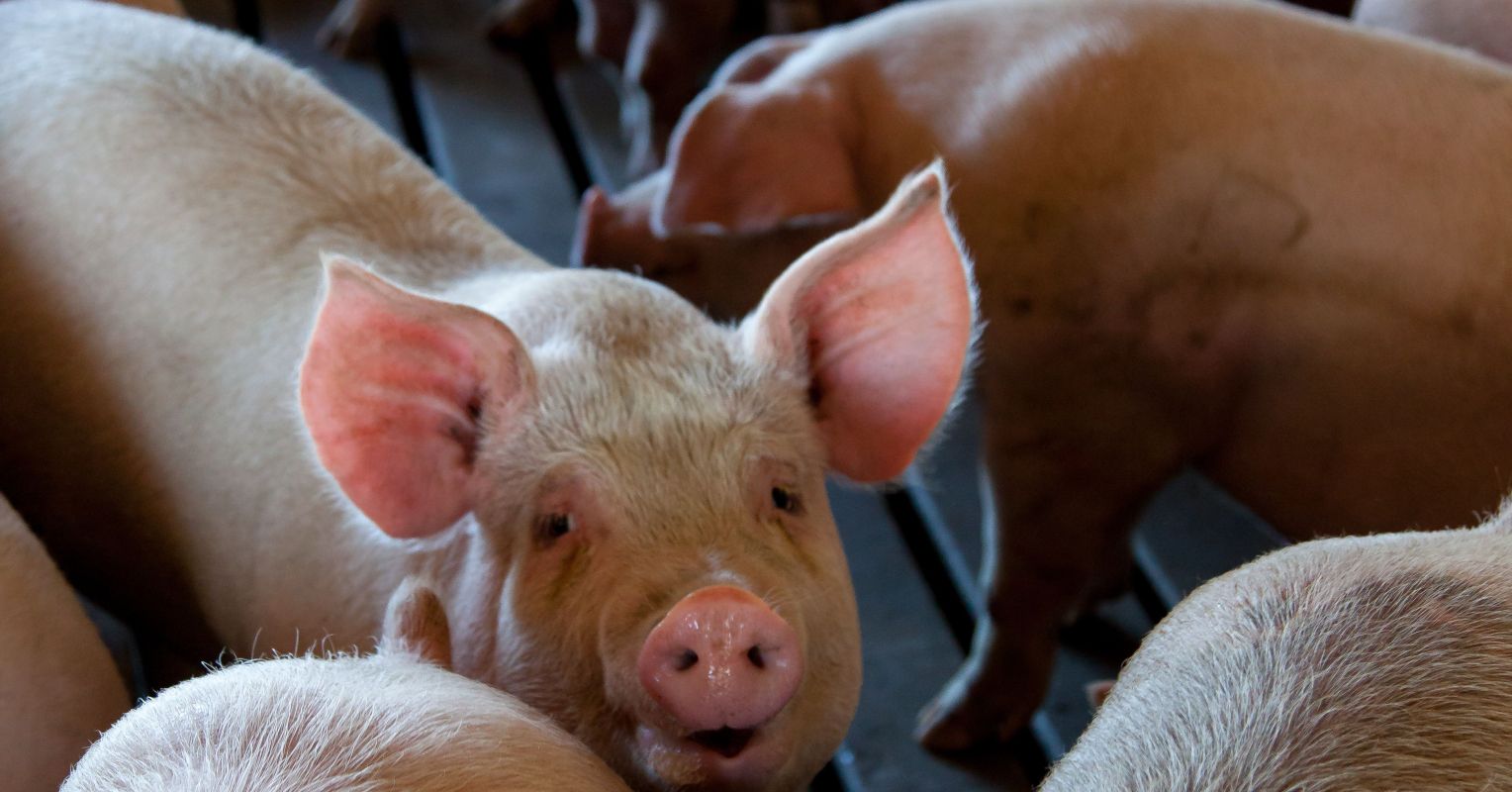
Intelligence, for example, does raise moral concern for animals, but people may disregard such findings for animals they already eat, though not always, as our results for fish show. Thus, in our studies, describing pigs as highly intelligent did not significantly raise their moral standing.
Information demonstrating that an animal can feel pain, on the other hand, increased the perceived moral standing for every species we tested, including pigs and cows. And that is a pretty remarkable finding. Informing people about scientific evidence of sentience can significantly increase the animal’s perceived moral standing.
Perhaps the most intriguing finding in this section is that learning about an animal’s emotional life (that the animal is loving and cooperative, and mourns its dead) may be the most powerful factor of all. In our studies, learning about the emotional lives of animals increased moral concern even for cows, an animal most people regularly eat.
The idea that animal emotions or emotional intelligence can impact or challenge our entrenched habits of consumption or compassion for animals is fascinating to us. So far as we know, we are the first to empirically test this idea and we think it deserves considerably more study.
MB: How does your work differ from others that are concerned with some of the same general topics?
JM: To our knowledge, this is the first comprehensive effort to take up the key assumptions of animal advocates and subject them to empirical scrutiny. We can’t wait to hear what folks think about what we have found!
MB: Are you hopeful that, as people learn which kinds of information about animals’ minds, emotions, and sentience actually shift attitudes, researchers will do more to make their work accessible to a wider audience?

JM: This is key. Our research suggests that learning about the inner lives of animals can make a difference in how people perceive animals. This means that animal protection efforts need to do more to understand the science about animal lives and to translate it into forms that are digestible to the public at large.
