


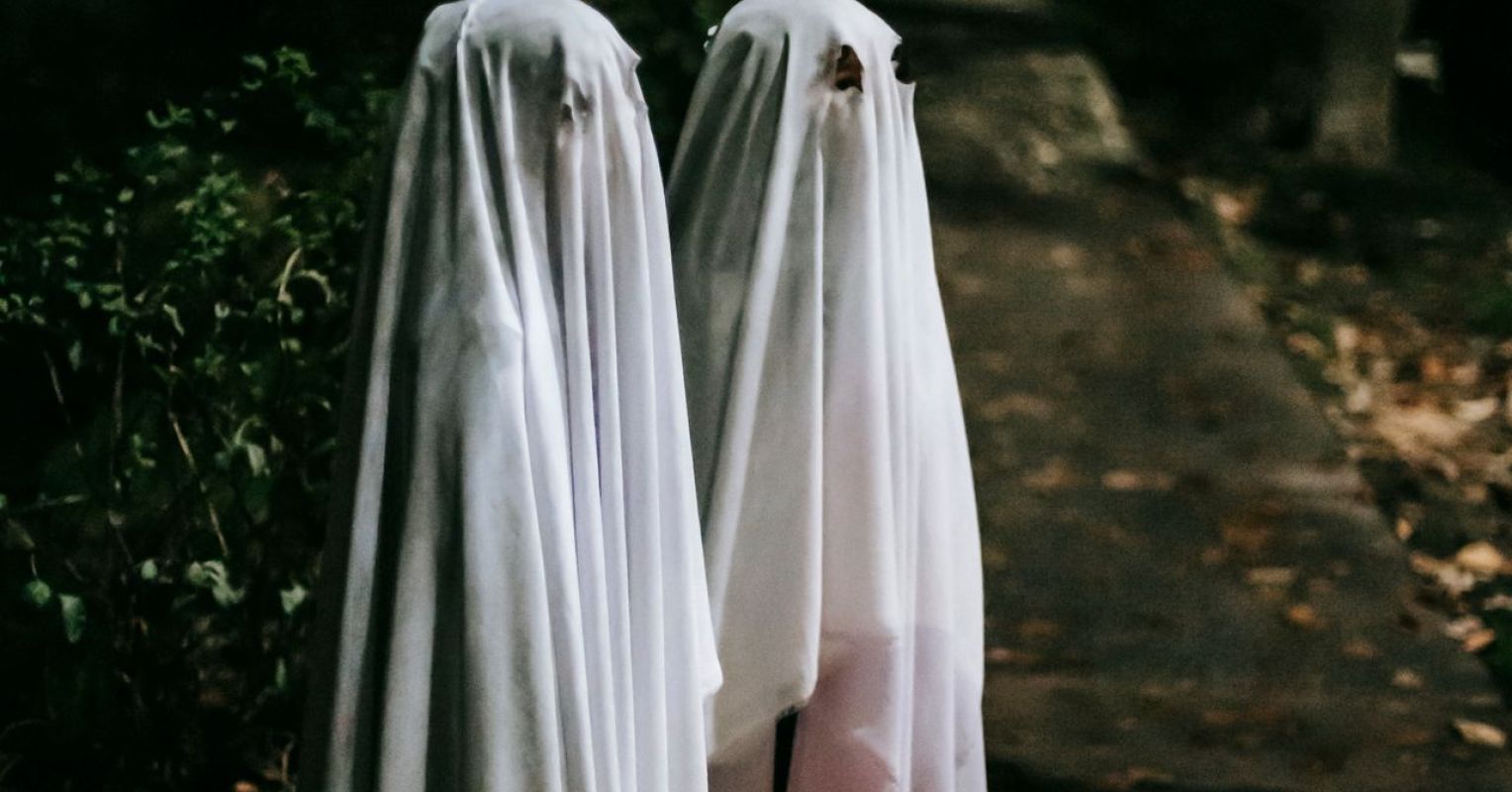
In recent years, it has become popular to bemoan the commercialism of Halloween. Traditionalists argue that it used to be a child’s celebration, characterized by groups of children meandering through suburban neighborhoods to collect candy, not an opportunity for adults to dress up, attend parties, and decorate their homes and offices. But this simplistic view of the growing popularity of the holiday doesn’t reflect the facts accurately.
As befits a holiday based on mystery and drama, the history of Halloween is murky. It is believed to have started with Celtic efforts to mark the transition from summer to winter by wearing costumes and using bonfires to scare away ghosts and bad luck. Practices like carving vegetables into scary faces to repel evil spirits were brought to the U.S. by Irish immigrants in the 1800s, but by the 1920s the holiday was often marked by mean-spirited pranks. Some believe that trick-or-treating emerged out of efforts to convert the holiday to a more child-focused community event.
How Halloween Became a Modern Multi-Generational Celebration

In the 21st century, Halloween has morphed into a costume-based celebration for people of all ages characterized by parties, costume contests, and festivals. So why would a secular-based holiday, which originated centuries ago, still resonate with us? Are we simply responding to marketing efforts designed to get us to buy plastic skeletons, costumes, and candy, or are there still valid psychological reasons for our interest in this holiday? It is probably a bit of both.
Despite the fact that most of us no longer work outside, we are still diurnal creatures. We value the light, long days and abundant fresh food available in the summer. And although we can buy imported bananas any time of year, we are still attuned to seasonal changes in the colors of our yards, the leaves on our trees, and the environment around us. As the days get darker and colder, we dread the change from daylight saving time and our brains still note the shortening days. Even though electricity makes it possible for us to light our homes year-round, we still derive comfort from candles, fireplaces, and outdoor bonfires in a relatively primal way. Decorating with lights, putting candles into carved pumpkins and decorating our yards with skeletons and witches isn’t too far removed from the days when people put creepy gargoyles on buildings to scare off spirits and used bonfires to light the night. Halloween also allows us to explore our issues with mortality.
Like our ancestors, we know that we don’t live forever, so we seek ways to mark and commemorate the passage of time. From christenings to weddings to funerals, we create ceremonial events that provide us with a sense of continuity and predictability in a world over which we really don’t have a lot of control. While we no longer fear demons and witches, many of us are experiencing existential stress regarding the dangers posed by emerging threats including climate change, artificial intelligence, and global unrest. In a paradoxical way, facing our fears in a Halloween haunted house gives us the sense that we are courageous and can prevail over darker forces. Dressing as monsters, ghosts, skeletons, demons, and even celebrities, superheroes, and princesses can help us to feel that we aren’t simply victims, but can choose to play scary, powerful, or victorious characters ourselves. Doing so in the company of others provides us with a sense of belonging, which is also a significant means of stress reduction.
Costumes and Play as Stress Relief for All Ages

Dressing up in costumes, masks, and makeup can also serve as a distraction from the frustration, tedium, and stress of our daily lives. In our technologically-connected modern world, we frequently find ourselves comparing our mundane struggles to the lifestyles we see being portrayed in fabricated entertainment worlds, and carefully curated glimpses of celebrity and influencer lifestyles. Most of us are never going to walk a red carpet in an outfit that cost thousands of dollars, be a rock star, or become a supermodel. But we can still enjoy demonstrating our creativity and interests while pretending to be someone we aren’t for a day or an evening.
There is also no real reason that escaping into a temporary fantasy world should be age-limited. While children naturally spend time “playing pretend,” we all rely on our imaginations to help us understand the world and evaluate alternative choices we might make. Teens struggling to form their own identity often model their hair and clothing on people they wish to emulate, and even as adults we act, dress, and even speak differently in the company of different people. Research suggests that adult playfulness can be associated with positive health effects, reduced stress, and adaptive coping.
The Multifaceted Meaning of Halloween
It isn’t fair to talk about Halloween without mentioning candy. A recent survey indicated that 75% of Americans view Halloween as an opportunity to enjoy candy for a day without feeling guilty. Although a constant diet of candy isn’t a good idea for our health, living as we do in a culture infused with food morality and the stigmatization of weight gain means it can be freeing to give yourself permission to enjoy something that is intrinsically rewarding on an occasional basis.
As with most human endeavors, Halloween is a complicated holiday. Perhaps it doesn’t matter whether we adorn our houses with orange lights, cruise the candy aisles at our local grocery stores, create costumes for ourselves or our children, or stay home and eat popcorn and watch a horror movie. The point is that we use the holiday to think about ways to enjoy the changing seasons, the power of our imaginations, and time with the people we care about.
