



As you consider the evolving landscape of child and adolescent therapy, you might find yourself reflecting on the profound shifts that have occurred in therapeutic conversations. It's intriguing how techniques like play and art therapy facilitate a deeper emotional dialogue, allowing young clients to express feelings often lost in words. The integration of technology further complicates this dialogue, raising questions about accessibility and authenticity. What happens when we blend these advanced methods with a culturally sensitive framework? The implications for trust and rapport could redefine how we approach therapy in the future.
Evolution of Therapeutic Techniques
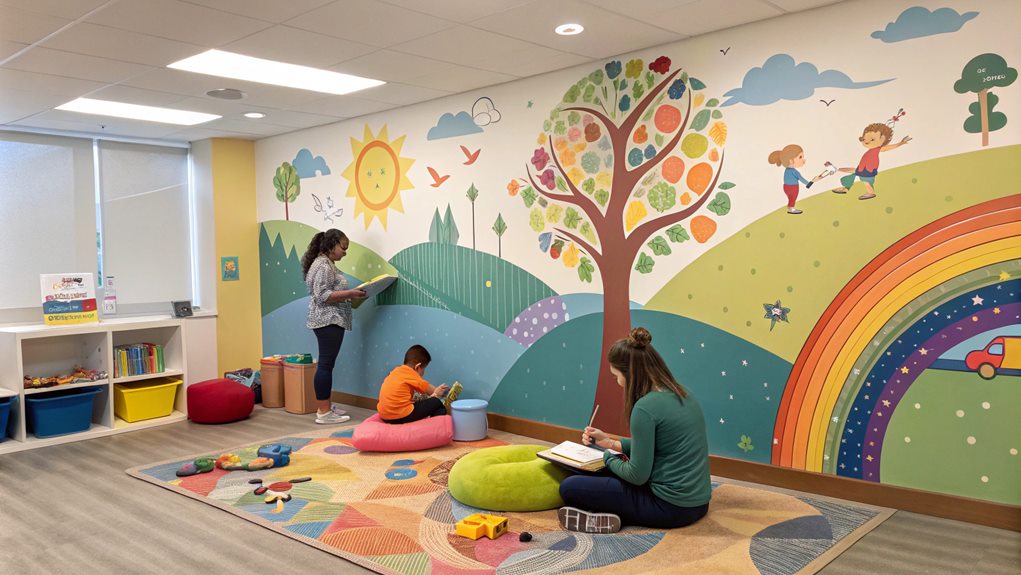
Over the decades, the evolution of therapeutic techniques in child and adolescent therapy has reflected a growing understanding of the complexities of young minds. You'll notice how early methods mainly focused on behavioral modifications, often overlooking the deeper emotional roots of a child's distress. As you explore these developments, you'll find that the shift toward a more holistic approach invites you to reflect on the interplay between the unconscious and conscious experiences of young clients. Recent advancements in understanding cognitive disorders have also informed these therapeutic practices, highlighting the significance of cognitive rehabilitation in enhancing emotional and cognitive functioning.
You might recognize that psychoanalytic techniques have gained traction, emphasizing the importance of understanding a child's inner world. Here, the therapeutic relationship transforms into a space for exploration, allowing the young individual to project their feelings and conflicts. You may even see how language evolves in therapy, moving from mere directives to fostering dialogue that encourages self-reflection.

As you reflect on these advancements, contemplate how integrating cognitive-behavioral methods enhances emotional awareness and coping strategies. This blend of techniques underscores that therapy isn't just about addressing symptoms; it's about nurturing a deeper understanding of oneself. You're witnessing a rich tapestry of approaches that continue to evolve, ultimately fostering resilience and emotional growth in children and adolescents.
The Role of Play Therapy
Engaging in play therapy opens an essential window into the psychological landscape of children and adolescents, allowing them to express emotions and conflicts that words often fail to capture. Through the medium of play, you're not just observing their actions; you're witnessing their inner world—their fears, desires, and unresolved conflicts. This process invites you to interpret symbolic representations, as toys and games often become extensions of their psyche. Similarly, research in cognitive rehabilitation emphasizes the importance of tailored therapeutic approaches to enhance cognitive functions.
As you facilitate this therapeutic play, you'll notice patterns and themes emerging, reflecting deeper relational dynamics and emotional struggles. Each session becomes a mirror, revealing how they perceive themselves and the world around them. By creating a safe space for exploration, you encourage them to confront issues that may feel overwhelming when articulated directly.

You might find that specific play activities reveal repressed memories or unresolved trauma, fostering insight and healing. The nonverbal nature of play therapy allows for a unique therapeutic alliance, where trust develops organically through shared experiences. Ultimately, play therapy acts as a bridge, connecting the conscious and unconscious, guiding children and adolescents toward self-awareness and emotional growth.
Art as a Communication Tool
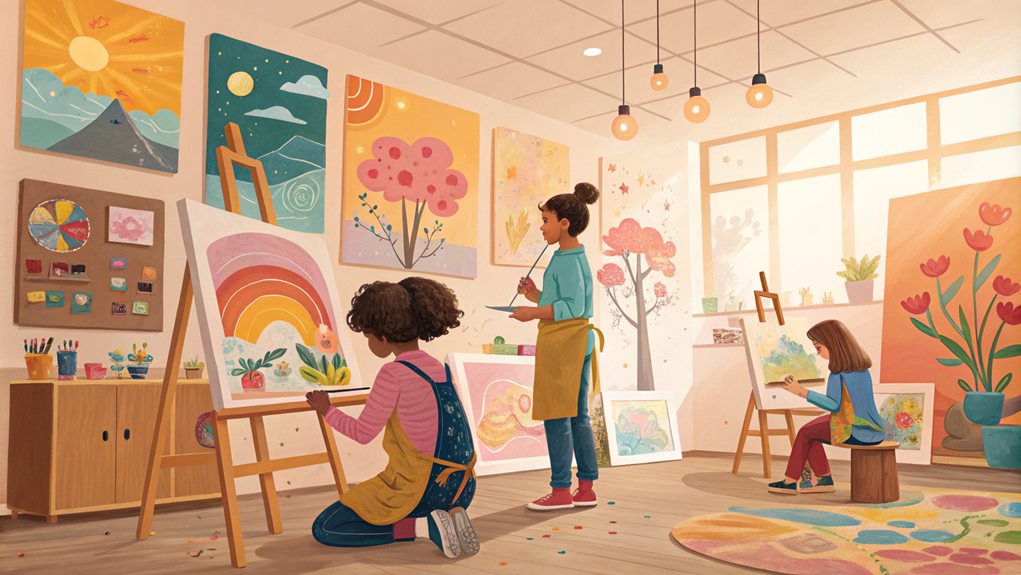
Art becomes an essential bridge for you to explore emotions that words often can't capture. In this space, you might find that colors and shapes reveal feelings that lurk beneath the surface, offering insight and understanding. Research in cognitive psychology indicates that creative expression can enhance therapeutic approaches, promoting emotional resilience. As you engage with various techniques, you'll discover how creative expression can illuminate your inner world, fostering deeper communication and healing.
Benefits of Art Therapy
Through the lens of creativity, art therapy emerges as a powerful communication tool for children and adolescents, allowing them to express emotions and thoughts that words often fail to capture. This medium provides a sanctuary where your inner world can unfold, revealing hidden anxieties and aspirations. Engaging in art therapy encourages a deeper connection with your subconscious, facilitating a dialogue between your conscious mind and the emotions that linger beneath the surface. As seen in cognitive rehabilitation strategies, the use of creative techniques can greatly enhance cognitive functioning and emotional expression, making art therapy particularly beneficial for young individuals facing emotional challenges mixed outcomes in interventions.

As you create, you might discover that colors, shapes, and forms resonate with feelings you struggle to articulate. This process not only fosters self-exploration but also promotes emotional regulation. By externalizing internal conflicts, you gain clarity on your experiences, enabling you to confront and process complex emotions.
Moreover, art therapy nurtures a sense of agency. You become the author of your narrative, reclaiming power in a world that often feels overwhelming. This empowerment can lead to increased self-esteem and resilience, fundamental components for maneuvering life's challenges. Ultimately, art therapy serves as a bridge, connecting your inner thoughts and feelings with the external world, enriching your understanding of yourself and enhancing your emotional well-being.
Techniques for Expression
Creative expression opens a unique pathway for communication, allowing you to convey emotions and thoughts that might otherwise remain unspoken. Utilizing art as a therapeutic tool helps you explore your inner world, facilitating a deeper understanding of your feelings and experiences. When you engage with various artistic techniques, you create a safe space for self-reflection and exploration.

Consider these effective techniques for expression:
- Drawing: Sketching your feelings can reveal underlying emotions and thoughts.
- Painting: Using colors and textures allows for non-verbal expression of complex feelings.
- Collage: Combining different materials can help you visualize your inner conflicts or aspirations.
- Sculpting: Physical manipulation of materials can reflect your emotional state or personal history.
- Storytelling: Crafting narratives through art can provide insight into your life experiences and aspirations.
Technology in Therapy Sessions
In today's increasingly digital world, technology has woven itself into the fabric of therapy sessions, reshaping how young clients engage with their emotions and thoughts. You might find that digital tools, like apps and online platforms, create a space for self-reflection that traditional methods sometimes miss. These technologies can facilitate a deeper exploration of your feelings, allowing you to articulate your inner experiences in ways that resonate with your unique digital language.
Consider how digital journaling or creative expression apps become an extension of your psyche. They enable you to externalize thoughts and emotions, making the unconscious more accessible. This process can help you confront hidden anxieties or desires that a therapist might guide you through in a face-to-face setting.

Moreover, virtual therapy sessions may dismantle barriers of distance and anxiety, providing you with a safe space to unravel complex emotions. By integrating technology into therapy, you're not just participating in a session; you're engaging in a modern dialogue with your inner self. Embracing these tools can enrich your therapeutic journey, fostering a connection between your digital habits and your emotional development.
Neuroscience Insights on Youth

As you consider the intricate stages of brain development in youth, it's essential to recognize how these changes shape their emotions and behaviors. Neuroplasticity plays an important role during adolescence, allowing for both growth and vulnerability in their mental processes. Understanding these dynamics can deepen your insight into their therapeutic journey.
Brain Development Stages
Understanding brain development stages is crucial for grasping how children and adolescents process emotions and experiences. Each stage represents a unique phase of cognitive and emotional evolution, shaping their perceptions and interactions with the world. As you reflect on these stages, consider the profound implications for therapy and support.
- Infancy (0-2 years): Rapid brain growth, foundational attachment, and emotional regulation begin.
- Early Childhood (2-6 years): Language skills develop, creativity flourishes, and self-awareness starts to form.
- Middle Childhood (6-12 years): Logical thinking emerges, peer relationships become essential, and self-concept expands.
- Adolescence (12-18 years): Identity exploration intensifies, emotional experiences heighten, and abstract thinking begins.
- Emerging Adulthood (18-25 years): Brain maturation continues, decision-making skills refine, and long-term planning becomes possible.
Neuroplasticity in Adolescents

The intricate process of brain development doesn't stop with the completion of adolescence; it continues to evolve, revealing a remarkable capacity known as neuroplasticity. This adaptability means your brain can rewire itself in response to experiences, emotions, and environment—a crucial feature during your teenage years. It's a time of profound transformation, where the thoughts you nurture and the relationships you forge shape your neural pathways.
You might find that your perceptions and behaviors shift as you confront challenges and seek meaning. This plasticity invites introspection; consider how your emotional responses to events can alter your brain's structure. Unhealthy patterns can be disrupted, and new, healthier ones can emerge.
Embracing this potential allows you to cultivate resilience. It's essential to engage with therapeutic practices that foster positive neural growth, whether through mindfulness, creative expression, or social connections. The choices you make now can influence the very architecture of your mind, laying the groundwork for future well-being. Recognizing your capacity for change can empower you, revealing that the journey of understanding oneself is ongoing, profound, and inherently developmental.
Culturally Sensitive Approaches

Cultural competence enriches therapeutic dialogues, allowing practitioners to connect deeply with young clients from diverse backgrounds. It's essential to recognize that each child brings a unique cultural narrative that shapes their experiences and perceptions. By understanding these narratives, you can foster a safer therapeutic environment where clients feel seen and validated.
To achieve cultural sensitivity in therapy, consider these five key elements:
- Active Listening: Engage fully, allowing clients to express their cultural influences and emotional landscapes.
- Cultural Awareness: Acknowledge your own biases and assumptions, and how they may impact the therapeutic process.
- Empathy and Validation: Show genuine understanding of the client's cultural experiences and emotions, reinforcing their worth.
- Tailored Interventions: Adapt therapeutic techniques to align with the client's cultural context, enhancing relevance and effectiveness.
- Collaborative Exploration: Work together with clients to explore how their cultural identities influence their thoughts and behaviors.
Engaging Parents and Families

Engaging parents and families in therapy can transform the therapeutic process, creating a supportive network that nurtures the child's emotional growth. When you involve families, you recognize the intricate dynamics that influence a child's psyche. Each family member plays a role in the child's development, and understanding these connections can illuminate underlying conflicts and emotions.

You might consider how parental behaviors, beliefs, and unresolved issues impact the child. By inviting parents to explore their own histories, you foster self-awareness that can shift family patterns. This introspective journey encourages parents to reflect on their interactions and emotional responses, allowing for deeper engagement in the therapeutic process.
Moreover, involving families helps you uncover the child's internal world more fully. Parents can provide insights into the child's fears, desires, and coping mechanisms, enriching the therapeutic narrative. You'll find that when families feel heard and validated, they're more likely to collaborate in the therapeutic journey, reinforcing the child's progress.
Ultimately, by engaging parents and families, you create a holistic framework that sustains emotional development and resilience, helping the child thrive within their familial context.
Building Trust and Rapport
Trust and rapport form the foundation of effective therapy, inviting a deeper exploration of the child's inner world. When you establish a genuine connection, you create a safe space where children feel free to express their thoughts and emotions. This sacred trust enables them to peel back the layers of their psyche, revealing insights that can drive healing and understanding.
To build this essential rapport, consider the following strategies:
- Active Listening: Show that you're truly present by reflecting and validating their feelings.
- Consistency: Be reliable in your availability and approach, fostering a sense of security.
- Empathy: Demonstrate that you understand their struggles and emotions, creating a bond that transcends words.
- Non-Judgmental Attitude: Encourage openness by ensuring they know their feelings are valid, no matter how complex.
- Playfulness: Engage in creative activities that resonate with the child, making therapy feel less like a chore and more like a collaborative journey.
Future Trends in Therapy Conversations
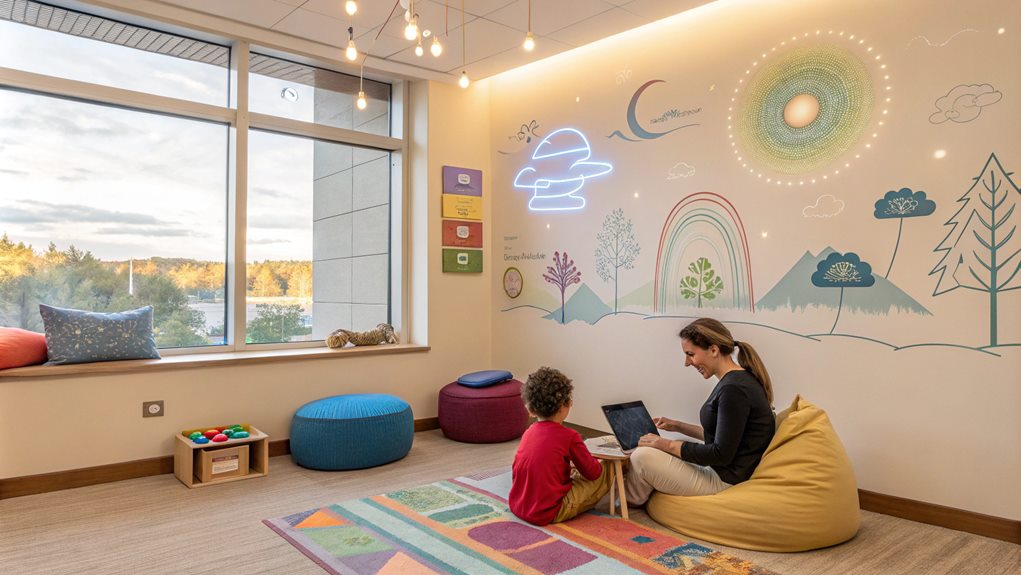
The future of therapy conversations is poised to embrace a blend of technology and human connection, reshaping how you comprehend and facilitate healing processes. As virtual reality and artificial intelligence become more integrated into therapeutic practices, you'll find new avenues to explore the unconscious mind. These tools allow you to simulate environments that evoke feelings or memories, facilitating deeper conversations about underlying issues.
Moreover, the rise of teletherapy expands accessibility, enabling you to reach clients in diverse settings. However, this shift demands a heightened awareness of the nuances lost in digital communication. You'll need to cultivate a keen sensitivity to non-verbal cues, ensuring that empathy remains at the forefront of your interactions.
As you navigate this evolving landscape, consider the implications of data privacy and the ethical dimensions of AI in therapy. Balancing cutting-edge technology with the fundamental human need for connection will be essential. By fostering an environment that values vulnerability and authenticity, you'll help clients articulate their inner worlds more freely. Ultimately, the future of therapy conversations hinges on your ability to harmonize innovation with the timeless principles of psychoanalysis, nurturing growth in an ever-changing context.
Read The Next Blog Post –
As we navigate the evolving landscape of child and adolescent therapy, it's clear that these fresh approaches offer more than just relief; they're pathways to self-discovery. By embracing emotional awareness and fostering connections, you're not just helping young minds heal, but guiding them toward a deeper understanding of themselves. The journey ahead holds promise, as we delicately weave together technology, creativity, and cultural sensitivity, illuminating the shadows that often obscure the inner lives of our youth.


