


When’s the last time you did absolutely nothing?
You are probably reading this on your phone, head down, neck bent. You are engaging your brain for sure: different lobes are aiding the sensation of visual stimuli and the perception of words. Language processing centers and higher order thinking are making sense of it all. The more engaging you find this piece, the more of your cognitive attention is taken up. The intellectual stimulation is good, but not doing anything at all may be even better for you.

As an academic, I talk to students about taking breaks a lot. Breaks can be productive for learning. Students are less fatigued and have more energy after a break of any type, but an exercise break had both short term attention effects and was beneficial up to 20 minutes later compared to not taking a break at all (Blasche et al., 2018). Taking physical breaks during a 50-minute lecture improved students’ focus and performance compared to playing a computer game during the same breaks or not taking a break (Fenesi et al., 2018). Even doing yoga can also have such effects on students’ motivation to continue a lecture (Young-Jones et al., 2022).
You may say that you take music breaks or walk listening to podcasts. Is that good? A nice direct comparison of distinct types of breaks—music, reading, or doing nothing—pitted some common non-phone breaks against one another (Ito & Takahashi, 2020). University students solved as many mathematical calculation problems as possible in three 15 minute learning sessions separated by three-minute breaks. The “doing nothing” group had the highest average correct answer rate. Both the “listening to music” and “doing nothing” groups showed better results than the “reading a book” group. In a similar study, students first did some math problems designed to tax them. One group of students then took an unstructured, nature-based, and technology-free break for five minutes. The other group went directly into a math lesson. Students in the rest condition paid more attention during the ensuing math lesson (Ginns et al., 2023). Clearly, some breaks are better than others.
Studies on breaks have shown that even taking a break from studying one topic to learning about another can help. For example, Liu et al. (2021) had students listen to music or watch a documentary clip. The results revealed that watching short-form videos significantly improved participants’ mood and task engagement willingness, relieved physiological stress, and maintained task performance. I need to note that a possible negative aspect of this study’s results is that short-form videos on phones can lead to more phone explorations. How about life with less phone time? Too boring?

There’s value in boredom and doing nothing, both of which provide time for ideas to incubate and creativity to flourish (Kets de Vries & Manfred, 2014). Boredom can actually be a useful emotion, and experiencing it plays a critical part in how we think. Today it has been tied to consumerism, as people tend to shop more when bored, but it can also be a catalyst for reflection, self-cognition, and creativity (Finkielsztein, 2023). Indeed, doing a boring task can increase creativity (Saravanan et al., 2026).
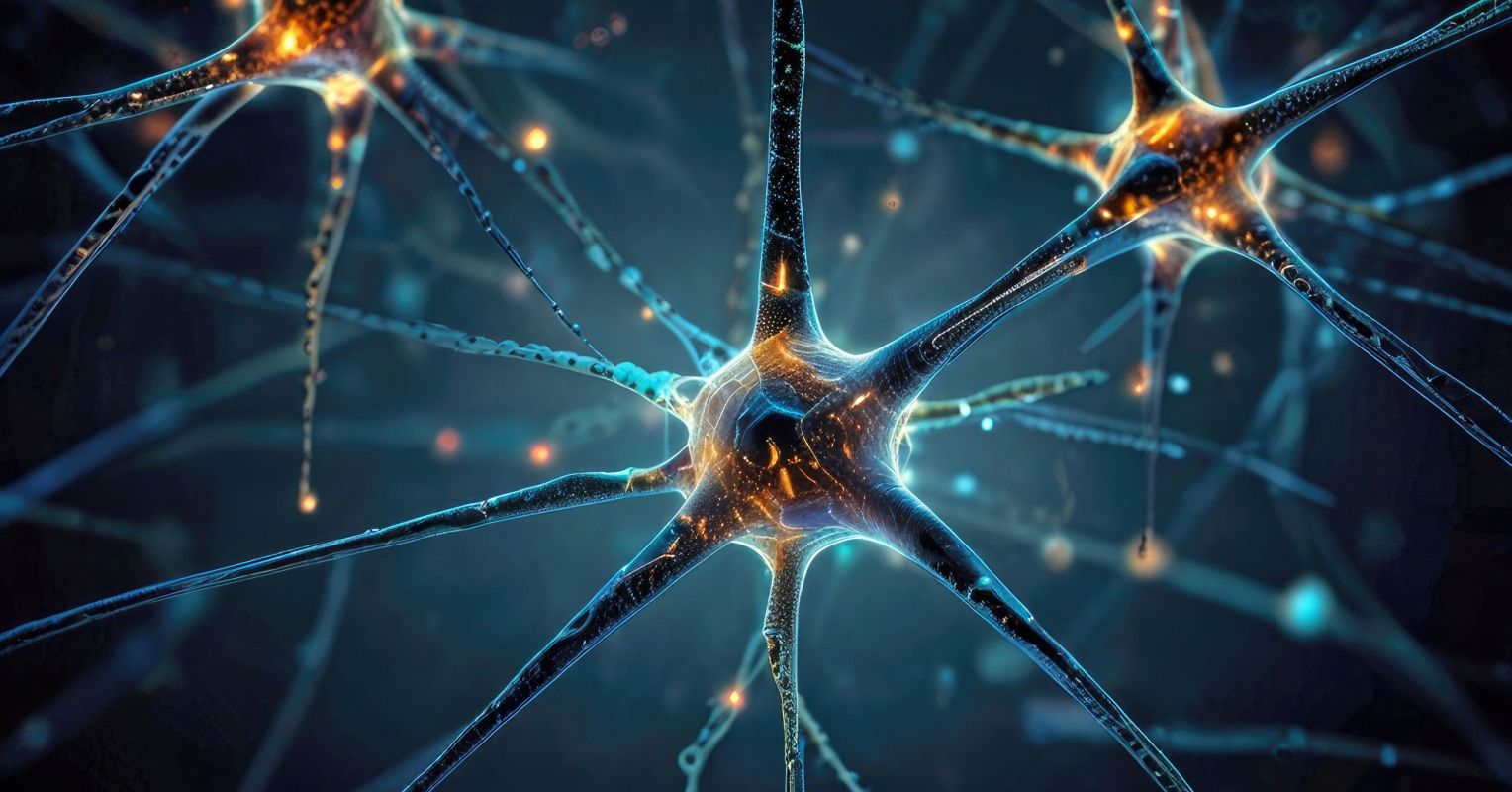
By doing nothing, you give your mind a break from the sensory demands of screens, and that space to think may even make you a better learner. In one study of piano players, students took a short break after practicing some notes, all while the researchers measured their brain activity (Buch et al. 2021). When they then practiced again, their playing was better than when they didn’t take a break doing nothing. The brain scans showed activity in the hippocampus, the area responsible for memory, during the doing-nothing break. Studies such as this suggest that creating that space to think does more than just reduce cognitive load: It can actually enhance learning as well.
The next time you are in line at the grocery store, waiting for a flight at the airport, or have to take a walk on an errand, try something new. Do nothing. Just be. Doing nothing may just lead to a whole lot more of something.
