


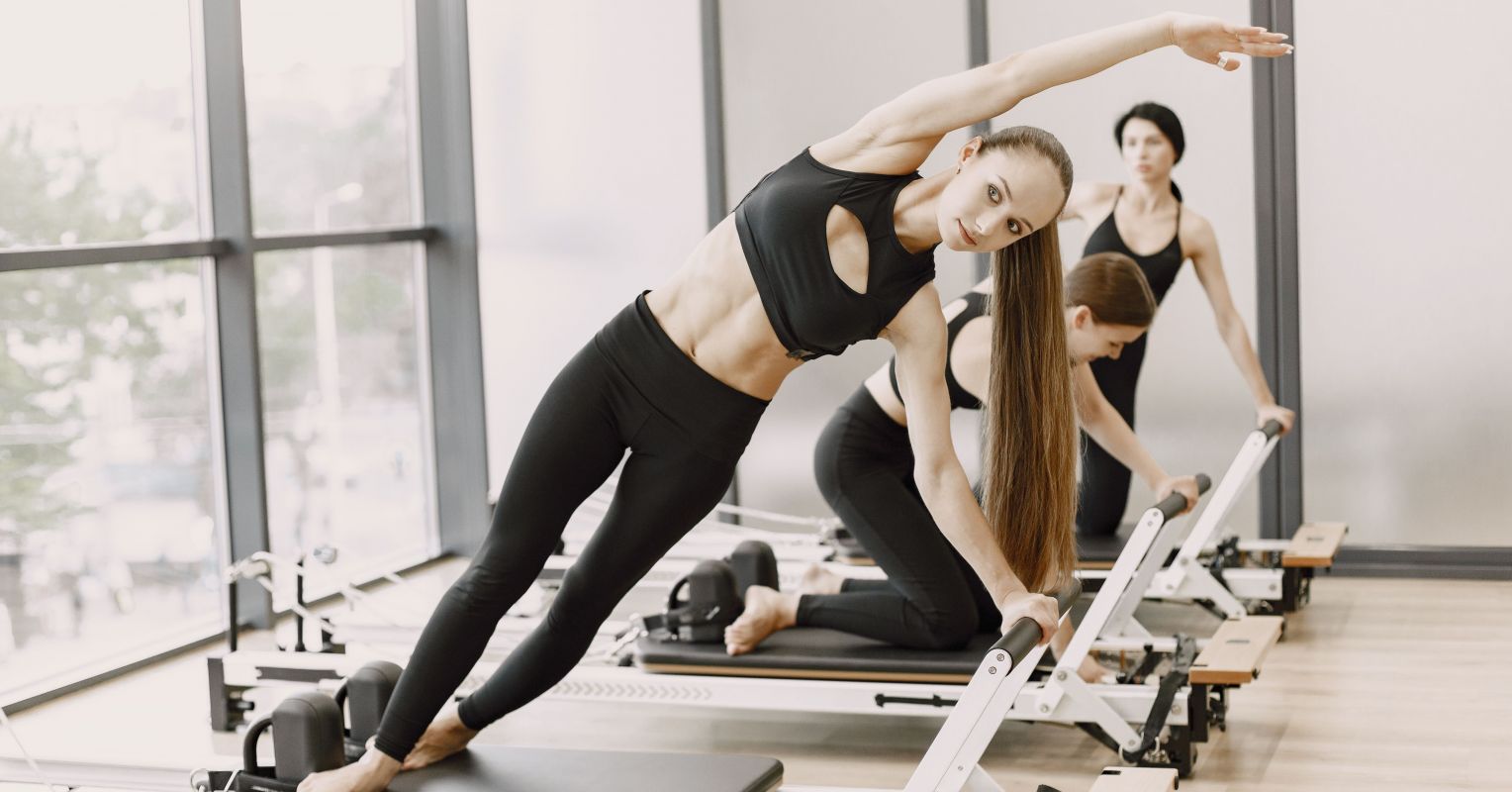
Social media now acts as a platform to effectively circulate different images of idealized bodies and to popularize them into fitness trends. The current trends include the gym body, the Pilates princess, and the yoga bod.
The Gym Body
In her recent research, Bridgette Desjardins (2026) observed that social media has depicted “the image of muscular, spandex-covered fitfluencers” (p. 203) during the last decade. This ideal is sometimes dubbed the gym body: the lean, muscular body shaped through a consistent weight training regimen. This coincides with the rise of CrossFit and with an associated phrase, “strong is the new sexy.”

Despite the acceptance of more muscular feminine bodies, Desjardins emphasized that women with more muscular looks tend to opt for a conventional feminine appearance outside of the gym. Regardless, Desjardins considered that more women are now encouraged to participate in strength sports such as powerlifting to build visible muscle definition.
The Pilates Princess
While the images of the gym body continue to circulate, another quite different image has recently been popularized, particularly via TikTok. The Pilates princess, characterized in the popular media as a slim, slightly toned, and youthful body ideal, is sometimes hailed as the opposite of a gym body. In the popular imagination, this body is to be built specifically on Pilates equipment called the reformer.
As a recent trend, there is no research on the actual social media representation, but a Pilates princess appears to embrace an entire lifestyle of regular Pilates reformer classes in tight-fitting (often pink) workout attire, with an emphasis on effortlessly building—as opposed to hard workouts by the gym body—a feminine body through a soft, mindful, healthy lifestyle.
The Yoga Bod

The Pilates princess image has no doubt increased the popularity of reformer Pilates classes. But as a body built with a specific lifestyle, it seems similar to the yoga bod that has appeared in popular media already for several decades.
Previous research has identified women’s yoga body image as white, thin, and young with exposed skin (particularly in the upper body). While Angela Hinz and colleagues (2021) found that this image of the yoga body also dominates social media representations, Alysse Bailey and colleagues (2022) added that even such sites as #YogaForEveryone that intend to draw a wider variety of practitioners to yoga continue to offer programs to build a thin and toned body. Similar to the Pilates princess, the yoga bod, they continue, is promised to be easily achieved yet requires disciplined practice.
Unlike the Pilates princess, the yoga bod is characteristically flexible. Hinz and colleagues reported that depictions of advanced balance poses dominate social media. Bailey and colleagues added that flexibility—exemplified by displays of splits and backbends—appears to be the main goal of yoga practice in the sites they analyzed.
Although this hyperflexibility requires advanced practice, the posts also created the illusion that it was achievable for beginners. While the posts in Bailey and colleagues’ study emphasized proper alignment, Hinz and colleagues found that advanced poses were sometimes performed with potentially unsafe alignment.
Are These Realistic Body Standards?
There is no evidence that any of these ideals dominate the social media sphere, and women now seem to have more choice in building their exercising bodies, whether it is the slightly toned Pilates princess, lean, flexible muscularity of the yoga bod, or visible muscle definition of the gym body.
However, the researchers still caution that these images all represent ideals that are difficult, if not impossible, to achieve for most women. All are thin bodies that, regardless of the level of muscularity, require significant work to shape and maintain. In addition, social media sites can promote weight training, yoga, and Pilates as fast weight-loss methods, yet these exercise forms, in the absence of a cardiovascular element, are not effective as such. In addition to the promise of improving appearance, maintaining the Pilates princess body or the yoga bod also requires a specific lifestyle with a level of consumerism that adds to their exclusiveness.
Body Image Essential Reads
These images, the researchers remind us, do not fully reflect the original intent of yoga as advancing holistic mindful practice of well-being, Pilates as a method for functional everyday movement ability, weight training as increasing muscle strength and/or endurance, or the lived, embodied experiences of their practitioners. However, they can have a significant impact on how we women feel about our bodies and then prevent us from creating and maintaining a positive body image. We need to continue to critically assess the media images and find sites, studios, or gyms with solid expert knowledge to choose an exercise form, not based on false promises of quick weight loss, but based on what we enjoy about being physically active.
