


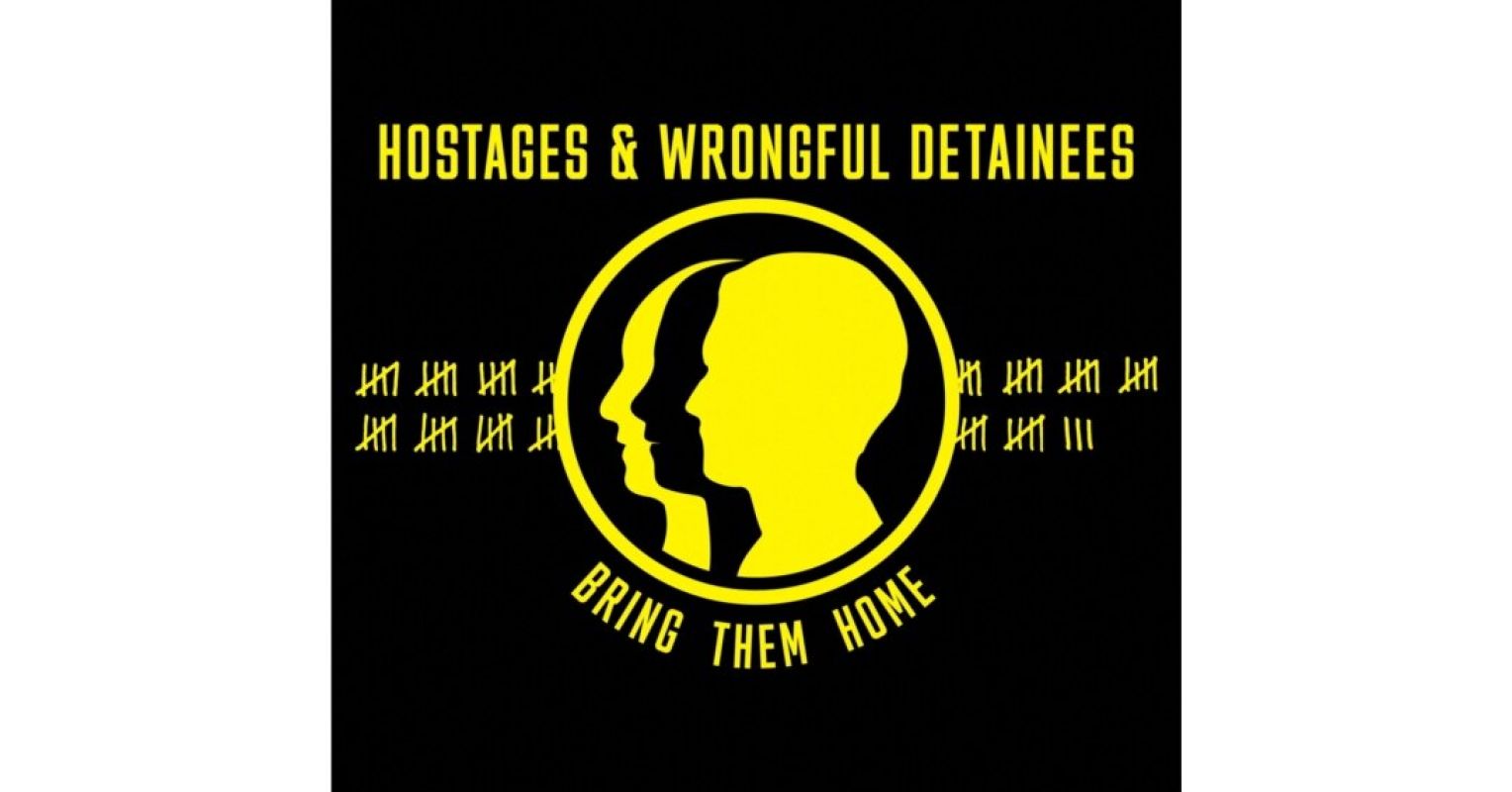
“It was [multiple] years of them being held hostage — wrongful detention, kidnapping, whatever you want to call it. It was pretty much a nightmare, and I’m glad it’s behind us. The biggest stress was the ambiguity, the uncertainty. It drives you crazy, because you just don’t know.” – Family member whose spouse was kidnapped abroad
For families of Americans held hostage or wrongfully detained overseas, the ordeal does not begin and end with headlines. In many cases, it unfolds in silence—in living rooms, at kitchen tables, and during long nights filled with unanswered questions. This uncertainty can be relentless, with not knowing whether a loved one is safe, when they might return, or how tomorrow can create a unique type of psychological strain.

For researchers in narrative psychology, examining people’s lives and experiences can reveal something profound: stories are not just ways we tell about our lives—they shape and create them. Through the careful study of narratives, other researchers and I can better understand how people process trauma, build resilience, and find meaning, often in unimaginable circumstances. While these stories contain hardships and suffering, they also reveal how hope can emerge. These narratives can support their own upward spirals of well-being and healing while also inspiring others.
I have spent years using narrative research to explore how people navigate high-stress, high-stakes environments — from hostage negotiators and NASA medical professionals to leaders, and when investigating suicide. Now my work with Hostage US focuses on the families of Americans who have been kidnapped, taken hostage, or wrongfully detained abroad.
Importantly, Hostage US does not negotiate ransoms or determine family or government strategy. Instead, Hostage US provides emotional support, guidance, and practical resources to families enduring what are often prolonged ordeals—measured not in days or weeks, but in many cases, months and years.

Below are early insights from my ongoing research on these incidents, where the first study focuses on family members. Though drawn from one participant’s story, the themes reflect patterns seen across many families.
The Weight of Uncertainty
“It was awful. We are a really close family. We had no direct contact, and it was just terrifying, because you just don’t know what’s happening in their lives. And nowadays, you know, we have constant contact with our phones, and constant, constant access to each other, and so we get used to that. And so, when it’s lost, it’s just terrifying.”
In today’s world of constant connectivity, silence can feel unbearable in typical everyday moments. We are accustomed to instant messages and immediate reassurance. When that connection disappears without warning as the initial thread to an ongoing kidnapping ordeal, the psychological impact is severe. In these hostage-related moments, it’s much more than being anxiety-filled—it’s a state of suspended reality where a version of life continues, but clarity does not.
Ambiguity, more than anything else, is what they said “drives you crazy.” The human mind seeks answers, and when there are none, and it is not managed, it can fill those gaps with fear.
Hope
“Hope was foundational. We had to keep believing that they were alive, and we had to keep hoping there was a solution.”
Hope, in these stories, is not naïve Pollyannaism. It is effortful, and it is real, which requires choosing, repeatedly, not to surrender to despair or fear—especially when setbacks occur. This family member described hope as something they actively practiced throughout the entire ordeal.
Additional themes
(Practical) Acceptance
“We’re all changed forever, and we just have to accept that; and it’s a focus on what I actually have and not focusing on what I don’t have. And throughout their captivity, we had to do the same.”
Routines (controlling the controllables)
“I had to have habits: get my coffee and then read my Bible, pray, journal. And I continued that every day.”
Faith as a source of strength
“I could not have gotten through this without my faith in God, without prayer.”
The Power of Professional Support
While well-meaning friends and community members had good intentions, some struggled to say the “right” or helpful things. Fortunately, the affirming, hope-instilling, and practical support provided by trained professionals at Hostage US was critical for them.
Conclusion: Revealing the Hidden Stories
The families of hostages often endure so much: suffering, negotiation strategizing, coping, resilience, grief, hope, and so much more—privately. Understandably, much of their stories remains largely unseen, overshadowed by so much, including politics, policies, and the necessity to preserve life. Yet, at the heart of every case are humans—real people navigating fear, faith, routine, acceptance, and hope that lasts for days or weeks—often for years.
By sharing part of this narrative research, the aim is to lift this veil of ambiguity that surrounds their experience. We need to humanize what is too often reduced to a fleeting headline.
If every story is like a tapestry that starts with a single thread, a single thread must also complete it. Even in the most painful chapters, the final thread does not have to be one of despair. It is therefore fitting to end this by reminding us of their humanity and in those experiences that involve suffering, hope—real hope—continues to prevail.
“I want people to know that I’m a very normal person. The compounding effect of hope and gratitude and doing the right thing leads to incredible results.”
* A portion of this is adapted from the upcoming research publication: “Hope in Hostage-Taking and Kidnapping Incidents: A Narrative Inquiry.”
