


Most often when we hear references to heroes, we think of soldiers, firefighters, or law enforcement. Dictionary entries for “heroism” are typically circular, defining heroism in terms of the qualities of a hero or heroic conduct. The most common synonym for heroism is courage, and a hero is described as a person with special abilities or personal heroic qualities.
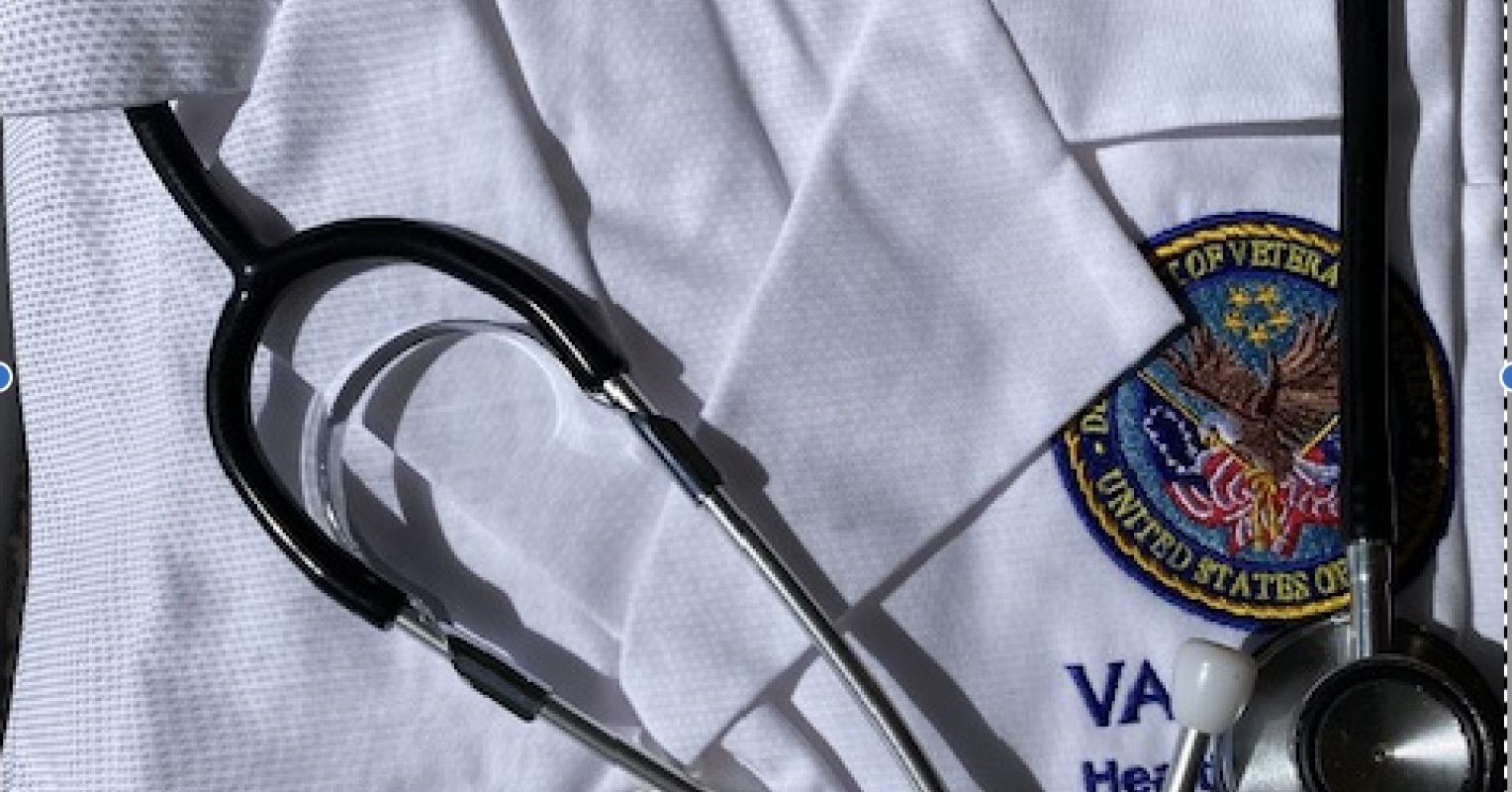
In crises that range from immense to limited, among those near the frontline of responders are medical professionals, willing to risk their lives to rescue and save others. Sharing the common attribute of courage with those who are trained to fight and/or overcome physical obstacles and danger, medical first responders are distinguished by their primary goal to preserve life and prepare the ill and injured for healing, recovery, and restoration to health.

So, why are nonmedical responders more often recognized as heroes and medical professionals seemingly overlooked? Perhaps medical professionals are thought of as second-line responders. The underlying logic dictates that threats and obstacles must be overcome before medical care can be administered. Lifesaving efforts are ideally carried out in areas of safety. The media present the most dramatic images of extreme incidents of natural disasters, horrific bridge and building collapses, wildfires, mass shootings, and war. Prominent in such scenes are responders in uniform, while physicians and health care professionals are unseen or in the background.
However, over the last 20 years, responses to disaster and mass casualty events have benefited from lessons learned from battleground trauma, mass shootings, attacks with explosive devices, plane crashes, and other crises. Collaborative efforts applying lifesaving measures at the scene have improved survival rates and show promise for continuing increases in positive outcomes. Despite the increasing presence and involvement of emergency medical professionals in disaster and crisis events, society remains less likely to recognize physicians as heroes than it does firefighters and law enforcement.
The dangers medical providers face with courage and altruistic service are often invisible. During the pandemic, medical first responders risked death from COVID-19, and during mass casualty events, they are exposed to unknown contagion, exposure to toxins, and violence. Courage is often defined as heroic action despite feelings of intense fear. The psychological burden courageous medical first responders bear is evident in their heightened exposure to prolonged stress. The prevalence of post-traumatic stress disorder (PTSD) is significantly higher among emergency medicine providers compared to other health care professionals and the general population. Medical responders are also at risk for other mental health challenges, including depression, and mourning the loss of coworkers and victims. Attracted and dedicated to their profession’s mission to alleviate suffering and promote wellness, medical providers are acutely vulnerable to suffering vicariously with patients and victims. The deeper their compassion and the more astute their empathy, the more intensely they suffer.

Heroic acts are typically understood to be those done to save or protect the lives of others, and heroes are those who accept risks to their own safety or health for the well-being of others. By such standards, medical first responders are heroes. More often than not, they remain unsung heroes, overshadowed by heroes who carry more imposing tools and weapons to combat highly graphic, life-threatening perils of fire, explosions, gunfire, and structural collapse. They don’t ask for recognition, but in our time dominated by enhanced imagery, acknowledging their heroic service could benefit society by increasing support for and recruitment to a demanding but noble profession.
