


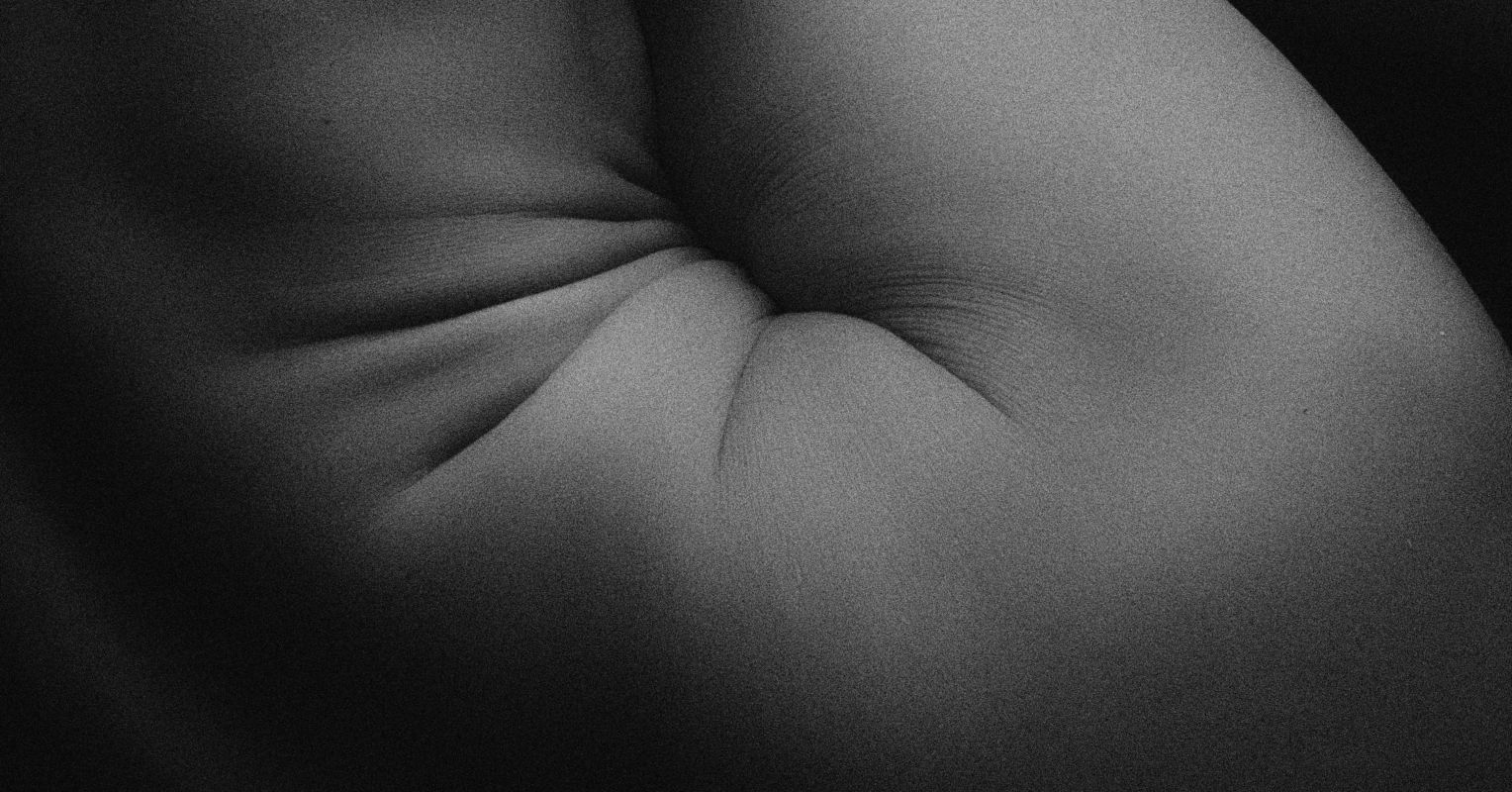
The human body presents us with a psychological contradiction. It’s the source of movement, identity, pleasure, intimacy, and life itself… and yet it also ages, sweats, bleeds, becomes ill, and eventually dies. The same body that makes existence possible consistently reminds us that existence is temporary.
Psychologists studying terror management theory have examined what happens when this contradiction becomes tough to ignore. The theory proposes that, as humans, we manage the anxiety created by knowing we will die through cultural beliefs, identities, achievements, and standards that make life feel meaningful and enduring. A large meta-analysis found that reminders of mortality can influence our judgments and behavior, mostly on an unconscious level. We aren’t typically aware of the ways death can drive our thoughts and actions.

One especially provocative branch of this research concerns creatureliness: our awareness that, despite our smarts, culture, and carefully curated LinkedIn profiles, we are really just animals with vulnerable biological bodies.
The Body as an Existential Reminder
In a series of influential experiments, psychologist Jamie Goldenberg and colleagues proposed that people psychologically distance themselves from animals partly because animals remind us of physical vulnerability and death. When mortality was made salient (brought to awareness), participants showed a stronger preference for descriptions depicting humans as distinct from other animals.
This doesn’t mean that every uncomfortable reaction to the body hides a conscious fear of death; the proposed process is subtler. When the body’s animal qualities become obvious—like sweating, aging, or getting sick with the flu—they may weaken the reassuring idea that human beings are elevated above nature and destined for some form of symbolic permanence.

The result is an interesting ambivalence. We may value the body when it supports the “preferred” culturally admired qualities like beauty, fitness, discipline, youth, or sexual desirability—while becoming uncomfortable with bodily functions that expose the “distasteful” things like dependency, disorder, aging, and mortality.
Research has found that mortality reminders can increase investment in the body when physical appearance already serves as a source of self-esteem. In one set of studies, participants with relatively high body esteem responded to mortality salience with greater identification with their bodies or increased interest in sex. Said differently, the body can become reassuring when it confirms that we meet whatever cultural standards we personally value.
But when the body fails to provide that reassurance—or when its stark physicality becomes a little too prominent—the reaction can reverse.
Why Women’s Bodies Carry an Extra Burden
These dynamics have particular consequences for women because women’s bodies have historically been subjected to more intensive appearance monitoring, sexual evaluation, and cultural expectations.
Goldenberg notes that women’s menstruating, lactating, pregnant, and childbearing bodies make human creatureliness unusually visible. At the same time, cultural representations frequently transform women into polished visual objects: beautiful, controlled, wrinkle-free, youthful, and somehow untouched by the messiness of biology. Objectification may therefore accomplish something psychologically paradoxical. It emphasizes the female body while simultaneously stripping it of many qualities that make it recognizably living, vulnerable, and human.
A frequently cited experiment illustrates this process. Participants encountered a woman who either appeared to have dropped a tampon from her handbag or a hair clip. The reminder of menstruation produced more negative reactions toward her; among participants who strongly endorsed conventional gender schemas, it also increased the tendency to objectify women more generally.
The researchers described this as a form of “feminine protection”: psychologically restoring an idealized, sanitized image of femininity after being reminded of the female body’s biological reality.
This framework may also help explain why culturally acceptable femininity is often associated with the awkward concealment of bodily processes. Women are expected to menstruate without evidence, age without appearing older, give birth and “bounce back,” experience menopause without inconvenience, and remain desirable without seeming too physically or sexually autonomous.
The idealized female body is permitted to be visible, and the fully creaturely female body is often expected to remain discreet.
Mortality, Thinness, and Appearance Control
Death awareness may also intensify efforts to make the body conform to cultural ideals. In one study, reminders of mortality affected women’s intentions to restrict their eating differently depending on their body mass index. The findings suggested that, for some participants, controlling food intake offered a way to check the box on culturally rewarded standards of thinness when mortality was brought to mind.
Other experiments found that women who already placed significant value on their appearances could respond more positively to objectifying imagery or appearance-focused feedback after being reminded of death. If physical attractiveness has become an important source of worth, objectification may sometimes feel validating—even while reinforcing the system that reduces a person to her appearance.
This is one reason body ideals can be so psychologically powerful. They aren’t simply about aesthetic preferences; they may become entangled with identity, belonging, value, and the wish to feel protected from vulnerability.
Making Peace With Creatureliness
The research doesn’t suggest that death awareness inevitably leads to body shame or sexism. It suggests that mortality can magnify whichever cultural standards we use to establish worth.
A healthier response may involve refusing the false choice between the body as an attractive object and the body as an embarrassing animal vessel. We aren’t elevated minds burdened by inconvenient bodies. It’s through our physicality that we love, work, laugh, create, move, comfort, and participate in our lives.
A body doesn’t need to remain young, perfectly maintained, or culturally approved to have value. Its vulnerability is evidence of life, not failure.
Maybe a more mature death awareness asks us not to rise above creatureliness, but to inhabit it more honestly: to respect the body without worshipping its appearance, and to care for it without imagining that the right amount of discipline will somehow make it immortal.
