


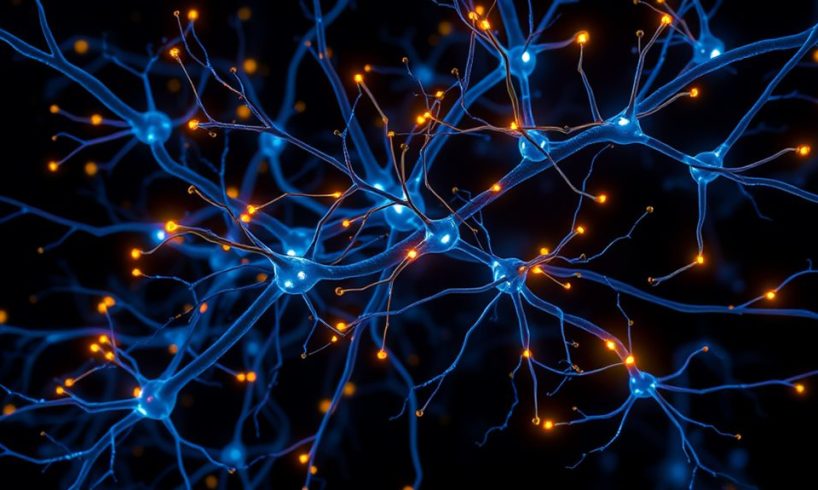
You might find yourself questioning how the intricate web of neurocognitive processes not only shapes your perception of reality but also influences the very essence of your identity. As you navigate through the complexities of memory and decision-making, consider the underlying mechanisms that govern these functions—mechanisms that are as much about biological imperatives as they are about psychological constructs. What happens when these processes falter, and how does this interplay reflect on your understanding of both mental health and artificial intelligence? The implications stretch far beyond the individual psyche, beckoning a deeper inquiry.
Main Points
- Neurocognition refers to brain processes that interpret and respond to sensory information, influencing perception, memory, attention, and decision-making.
- Key brain regions involved include the prefrontal cortex, hippocampus, and amygdala, which collectively support cognitive functions.
- Neuroplasticity allows the brain to reorganize itself, crucial for learning and adapting to new experiences.
- Cognitive distortions and emotional regulation significantly impact mental health, illustrating the interplay between cognition and emotional well-being.
- Advances in AI draw from neurocognitive principles, mimicking human decision-making and learning processes, raising ethical considerations about emotional intelligence.
What Is Neurocognition?

Neurocognition refers to the intricate processes through which your brain interprets, organizes, and responds to information from your environment. It encompasses a myriad of cognitive functions, including perception, memory, attention, and decision-making, all of which are intertwined in a complex web of neurological activity. Understanding neurocognition requires you to investigate the symbiotic relationship between your mind and the brain’s neurophysiological structures. Cognitive rehabilitation techniques can greatly aid in enhancing these functions after disruptions, illustrating the importance of tailored interventions for individual needs cognitive rehabilitation benefits.
As you navigate the world, your brain continuously processes sensory inputs, crafting a subjective reality shaped by both conscious and unconscious influences. The psychoanalytic perspective illuminates how repressed memories and latent desires shape your cognitive frameworks, often manifesting in your perceptions and interpretations. It’s fascinating to reflect on how your neural pathways evolve through experience, reinforcing certain thought patterns while diminishing others.

Your cognitive flexibility hinges on this dynamic interplay, allowing for adaptation and growth. However, the complexity of neurocognition also means that disruptions—be it trauma or chronic stress—can alter your cognitive landscape, distorting how you engage with reality. By exploring these neural and psychological dimensions, you begin to understand not just how you think, but the deeper mechanisms that govern your consciousness and identity.
Historical Background

The evolution of our understanding of cognitive processes has deep roots in both philosophical inquiry and scientific investigation. You can trace this journey back to ancient philosophers like Socrates and Plato, who pondered the nature of thought and consciousness. Their musings laid the groundwork for later explorations. Fast forward to the 19th century, when psychology began emerging as a distinct discipline, intertwining with burgeoning neurological studies. Significantly, advancements in neuroimaging techniques have further illuminated the relationship between cognitive processes and brain function, highlighting the importance of personalized treatment plans for ideal recovery from brain injuries, as seen in brain injury therapy.
As you examine this historical backdrop, consider the following key developments:
- The advent of empirical methods, which shifted the focus from mere speculation to rigorous experimentation.
- The integration of psychoanalytic theories, where Freud emphasized the unconscious mind’s role in shaping cognition.
- The rise of cognitive neuroscience, bridging the gap between mental processes and brain functions.

Through these milestones, you see a dynamic interplay between the mind’s abstract complexities and the brain’s tangible structures. This rich history not only informs current neurocognitive research but also challenges you to reflect on the multifaceted nature of human cognition, revealing the intricate tapestry woven from philosophy, psychology, and neuroscience.
Key Components of Neurocognition

Delving into the intricate domain of cognitive processes, you’ll find that several key components define neurocognition‘s landscape. Central to this exploration are attention, memory, language, and executive functions. Each of these elements interacts dynamically, shaping your cognitive experience and influencing your understanding of self and environment. Cognitive disorders can greatly disrupt these processes, impacting personal relationships and daily functioning, making it essential to understand their role in overall cognition. For instance, therapeutic interventions can help restore cognitive abilities affected by these disorders.
Attention acts as a gatekeeper, filtering stimuli and facilitating the selection of relevant information. It’s a cognitive spotlight, directing your mental resources toward what matters most. Memory, on the other hand, serves as the repository of experiences, a complex interplay between encoding, storage, and retrieval that underpins learning and identity.

Language, as a symbolic system, transcends mere communication; it structures thought and fosters social connection. The intricate relationship between language and cognition implicates deeper layers of meaning and representation within your psyche. Finally, executive functions encompass a suite of higher-order processes—planning, problem-solving, and self-regulation—that orchestrate your behavior and responses in an ever-changing landscape.
Together, these components weave a rich tapestry of neurocognitive functioning, illuminating the profound interconnectedness of thought, emotion, and behavior, and offering a lens through which you can better understand human experience.
Brain Regions Involved

Within the intricate network of the human brain, specific regions emerge as pivotal players in neurocognitive processes. These areas orchestrate the symphony of cognition, perception, and emotion, revealing the complexity of your mental landscape. Understanding how these brain regions interact can provide valuable insights into the essence of your cognitive experience, especially when considering phenomena like cognitive dissonance that illustrate the tension between conflicting thoughts.
- Prefrontal Cortex: This region governs executive functions, such as decision-making, impulse control, and goal-setting, acting as the conductor of your cognitive orchestra.
- Hippocampus: Central to memory formation, the hippocampus allows you to weave past experiences into the fabric of your present consciousness, creating a continuous narrative.
- Amygdala: The amygdala plays a critical role in emotional regulation, influencing how you perceive and respond to stimuli, consequently shaping your emotional landscape.

These interconnected regions don’t operate in isolation; instead, they form a complex web that underlies your cognitive processes. By examining these areas, you can begin to unravel the intricate dynamics that inform your thoughts, feelings, and behaviors. Embracing this complexity may lead to a deeper understanding of your own neurocognitive framework.
Neurocognition and Learning
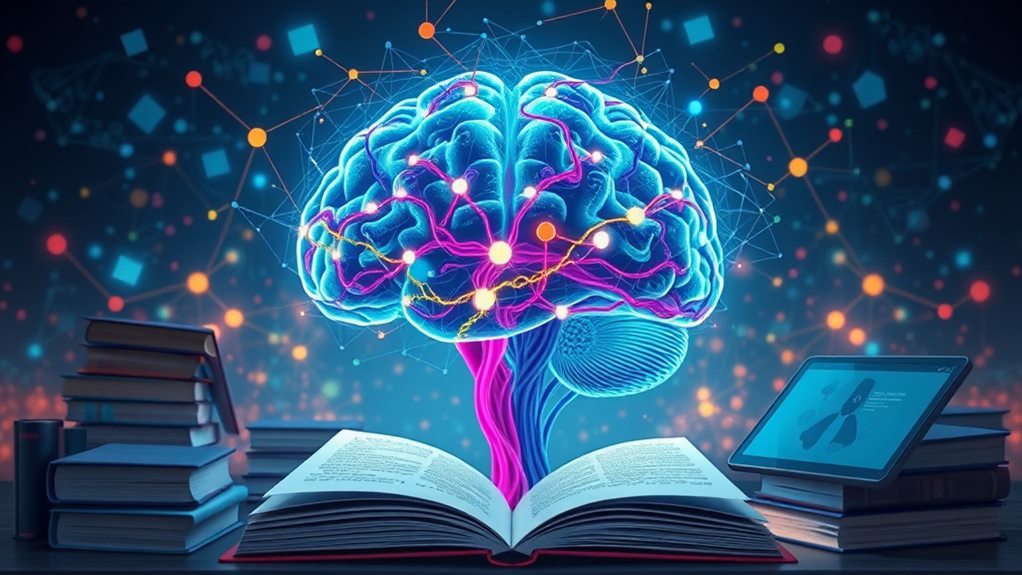
Understanding the intricacies of brain regions involved in neurocognition lays the groundwork for exploring how these mechanisms influence learning. The interplay between cognitive functions, such as memory, attention, and perception, forms a foundation upon which your learning experiences are built. Each neuron, each synaptic connection, plays an essential role in shaping how you process and internalize information.
As you engage with new material, the prefrontal cortex orchestrates executive functions, enabling you to strategize, plan, and adapt your approach. Meanwhile, the hippocampus anchors your episodic memories, allowing you to contextualize knowledge within your personal framework. This dynamic interaction between brain regions illustrates a complex dance of neuroplasticity—your brain’s remarkable ability to reorganize itself in response to learning.

Moreover, consider how emotional regulation, governed by the limbic system, impacts your cognitive engagement. When emotions intertwine with learning, they amplify or inhibit your capacity to absorb and recall information. Consequently, the intricate relationship between neurocognition and learning highlights the synthesis of intellectual and emotional domains, underscoring the multifaceted nature of your learning journey. Embracing this complexity can enhance your understanding and approach to acquiring new skills and knowledge.
Impact on Mental Health
Neurocognition profoundly influences mental health, intertwining cognitive processes with emotional well-being. Your thoughts, perceptions, and memories shape how you experience emotions and respond to stressors. When cognitive functions falter, it can lead to a cascade of psychological distress, manifesting in disorders such as anxiety and depression. Understanding this interplay allows for a deeper exploration of the self, revealing how internal narratives can either fortify or undermine mental resilience.
Consider the following elements that underscore this relationship:
- Cognitive distortions: Negative thought patterns can perpetuate feelings of hopelessness, often requiring introspection to unravel their origins.
- Emotional regulation: Your ability to manage emotions relies heavily on cognitive processes that assess and interpret experiences, impacting overall mental stability.
- Memory retrieval: How you recall past events influences your current emotional state, with negative memories potentially triggering maladaptive reactions.
Neurocognition in Artificial Intelligence
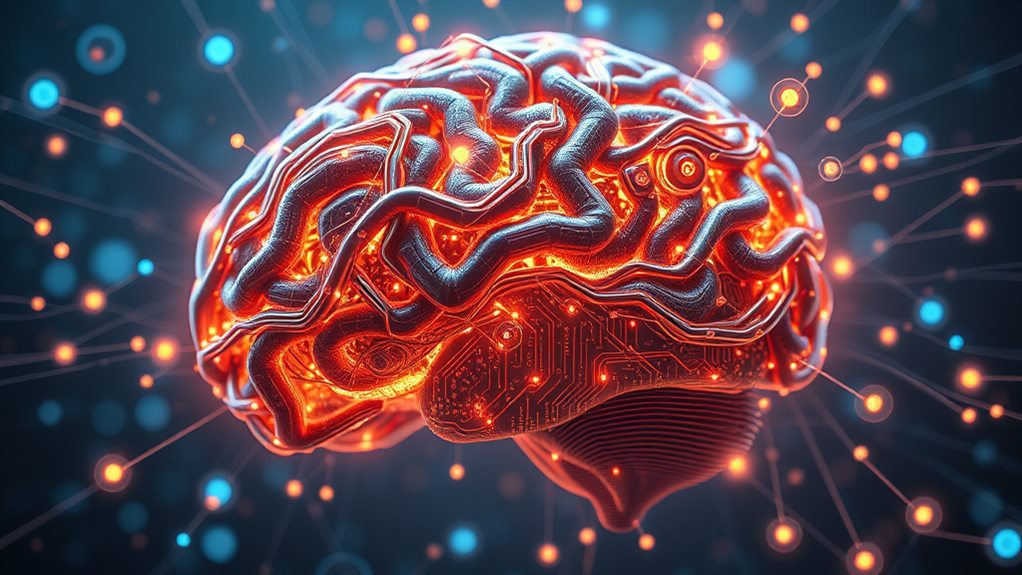

The intricate relationship between cognitive processes and emotional well-being extends into the domain of artificial intelligence, where the principles of neurocognition inform the development of intelligent systems. You’ll find that AI mimics human cognitive functions, drawing on theoretical frameworks to replicate decision-making, learning, and emotional responses. This emulation often stems from an understanding of neurobiological processes, where the interplay between synaptic activity and emotional regulation shapes behavior.
As you explore deeper, consider how AI systems analyze vast datasets to identify patterns reminiscent of human thought processes. They utilize algorithms inspired by neural networks, reflecting the brain’s architecture. However, the psychoanalytic implications reveal a complex layer; the ability of these systems to “understand” emotions and contexts raises questions about authenticity and consciousness.
You might ponder the ethical ramifications of such developments. If AI can simulate emotional intelligence, what does that imply about human uniqueness? The exploration of neurocognition in AI not only advances technology but also invites a profound inquiry into the essence of cognition itself, challenging perceptions of intelligence and emotionality in both artificial constructs and human beings.
Future Directions in Research


In envisioning future directions in research, one must grapple with the evolving interplay between cognitive science and artificial intelligence. You’ll find that this relationship not only inspires innovation but also compels a deeper understanding of the human mind. As you explore this intricate landscape, consider the implications of merging neurocognitive theories with advanced computational models.
You might focus on the following areas:
- Neural Mechanisms of Learning: Investigate how AI systems can mimic human learning processes, revealing insights into both fields.
- Emotional Intelligence in Machines: Explore how integrating emotional processing into AI could enhance human-machine interaction, reflecting on the psychoanalytic underpinnings of emotional response.
- Ethical Implications of Neurotechnology: Examine the moral dilemmas posed by neuroenhancement and AI, questioning the boundaries of consciousness and autonomy.
As you navigate this terrain, keep in mind the necessity of interdisciplinary collaboration. It’s essential to synthesize insights from psychology, neuroscience, and artificial intelligence to cultivate a holistic understanding of cognition and its future trajectories. This journey will certainly challenge your perceptions and expand your intellectual horizons.
Frequently Asked Questions
How Can I Improve My Neurocognitive Functions Daily?

To enhance your cognitive functions daily, you’ll want to engage in activities that challenge your mind. Try puzzles, reading, or learning a new skill; these stimulate neural pathways. Additionally, make certain you’re getting enough sleep, as rest is essential for mental clarity. Regular physical exercise can also boost your brain health. Finally, practice mindfulness or meditation; they help you cultivate awareness, allowing for deeper cognitive processing and emotional regulation, enriching your overall mental landscape.
Are There Specific Diets That Enhance Neurocognition?
Did you know that nearly 30% of your brain’s weight is composed of lipids? To enhance cognitive function, consider a diet rich in omega-3 fatty acids, antioxidants, and vitamins. Incorporating foods like fatty fish, berries, and leafy greens can stimulate neural pathways and promote mental clarity. By consciously selecting these nutrient-dense options, you’re not just nourishing your body; you’re also fostering an environment where your cognitive faculties can thrive and evolve.
What Role Does Exercise Play in Neurocognitive Health?
Exercise greatly enhances your overall health, acting as a catalyst for various biological processes. When you engage in physical activity, your body releases endorphins and promotes neurotrophic factors that nurture brain cells. This dynamic interplay fosters improved mood and cognitive sharpness, enabling you to better navigate complex thoughts. Consequently, regular exercise cultivates resilience within your mental framework, allowing you to confront challenges with enhanced clarity and vigor, ultimately enriching your cognitive experience.
Can Neurocognitive Training Programs Be Effective?
You might wonder if training programs can effectively enhance cognitive abilities. They often target specific skills, encouraging mental flexibility and resilience. When you engage in structured activities, you stimulate neural pathways, fostering growth and adaptation. However, the efficacy can depend on individual factors like motivation and existing cognitive capacity. Embracing these programs could lead to significant improvements, but their success hinges on personalized approaches that resonate with your unique cognitive landscape.
How Do Stress and Sleep Affect Neurocognition?
They say, “You can’t pour from an empty cup.” Stress and sleep deeply affect your mental processes. Chronic stress can cloud your judgment and impair decision-making, while insufficient sleep disrupts memory consolidation and emotional regulation. When you’re overwhelmed, your cognitive functions falter, leading to a cycle of anxiety and fatigue. By prioritizing rest and managing stress, you can enhance your mental clarity and resilience, paving the way for better cognitive performance.
Read The Next Blog Post –
In understanding neurocognition, you’re peering into the intricate dance of thought and emotion, much like a skilled conductor orchestrating a symphony. This interplay shapes not just individual experiences but also the broader landscape of mental health and artificial intelligence. As you explore these connections, consider how each cognitive function harmonizes with the others, revealing the profound complexities of the mind. Embracing this knowledge could illuminate pathways toward healing and innovation, enriching both personal and societal growth.


