


It’s been 27 years—over a quarter century–since the Columbine High School massacre ignited the worldwide war against bullying. Yet many nations that enthusiastically embrace this war discover that bullying becomes a more serious problem.
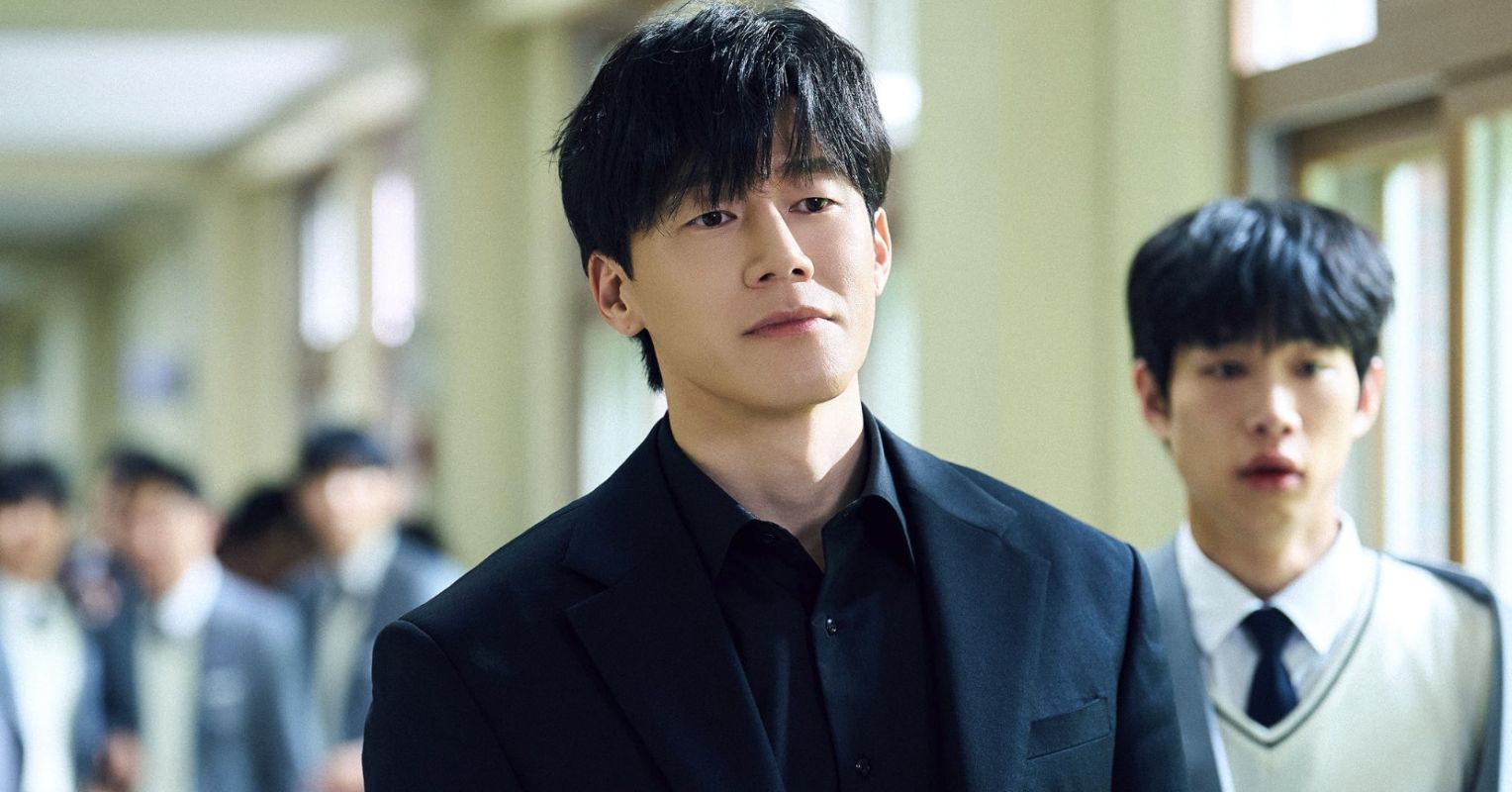
South Korea is one such country. It has made bullying a major cultural issue, producing a large number of popular “K-dramas” (Korean TV series) depicting the brutality of bullying, including the recent Netflix hit, Teach You a Lesson. Despite this massive anti-bullying activism (or perhaps because of it?), a 2025 survey found that South Korea’s violence victimization rate in elementary school hit a record high.

A basic tenet of antibullyism is that bullying must not be tolerated and needs to be met with tough and consistent punishments, or “consequences.” Make the price of bullying too high, it is assumed, and any bully’s appetite to cause people pain will evaporate. Although it has become widely recognized that punishment is not an effective response to bullying,1 the belief in punishment continues unimpeded, probably because it seems intuitively correct to the average person, and perhaps because nothing else bullying researchers have presented seems to work reliably.
Thus, South Korea has adopted what sounds like a tough but logical consequence for bullying. Students with bullying on their records are disqualified from acceptance into public universities. This punishment causes a huge financial loss for students and can seriously impact their future. Given the importance Koreans place on higher education, certainly such a policy must be an effective deterrence to bullying, right?
Not if we consider human nature. Let’s say you get a traffic ticket. When will you fight it harder? When the fine is $50, with no points against your driver’s license, or $50,000, and your license gets suspended? Well, the same thing is true if the huge punishments are for bullying violations, as recent news stories from South Korea confirm.

Before we continue, it’s essential to recognize that the bullying that typically occurs in Korean schools does not resemble the bloodcurdling cruelty that is depicted in the K-dramas. Such behavior should result in incarceration. As in many other advanced nations, bullying in reality consists of any behaviors that can cause someone to get upset.
Students don’t suddenly become nicer because anti-bullying policies threaten them with severe educational penalties. Instead, they—their parents, really—fight back. An increasingly popular way is to countersue the educational system. As the title of one article in the Korean JoongAng Daily informs us, As consequences of bullying records grow, perpetrators turn to countersuits for leverage. It reveals the nightmare unleashed by these Korean laws. These lawsuits typically last years and cost tens of thousands of dollars.
To help the cover the expense, a growing number of parents in Korea are purchasing bullying insurance policies, as described in another article titled, As school violence becomes legal issue, insurers cash in. :
The number of insurance payouts related to school violence among five major nonlife insurers… surged from 231 cases in 2021 to 1,297 in 2022, 3,388 in 2023 and 3,443 in 2025. This represents a nearly fifteenfold rise in just five years…. The increasing pace has accelerated further this year, with 2,056 cases already recorded in January and February alone.
Furthermore, these lawsuits are being filed even for the most minor of bullying complaints. The Korea JoongAng article presents one parent’s experience with a situation that hardly meets the criteria of bullying:
One parent…started looking into a school violence insurance program after their fifth-grader was mired in a 25 million won ($16,580) lawsuit for repeatedly asking to borrow items and was accused of “having a look” at another student in their school.
The local education office concluded that no action was necessary, but the other student’s parent did not accept the decision and filed a damage lawsuit. The court dismissed the case in full last month.
After going through both the committee process and a civil lawsuit, the parent faced significant psychological and financial burdens, leading them to seek insurance coverage.
The purpose of anti-bullying laws is to reduce the misery caused by bullying. In South Korea, however, the misery of bullying is being dwarfed by the financial expense and psychological pain inflicted by prolonged, expensive lawsuits.
