


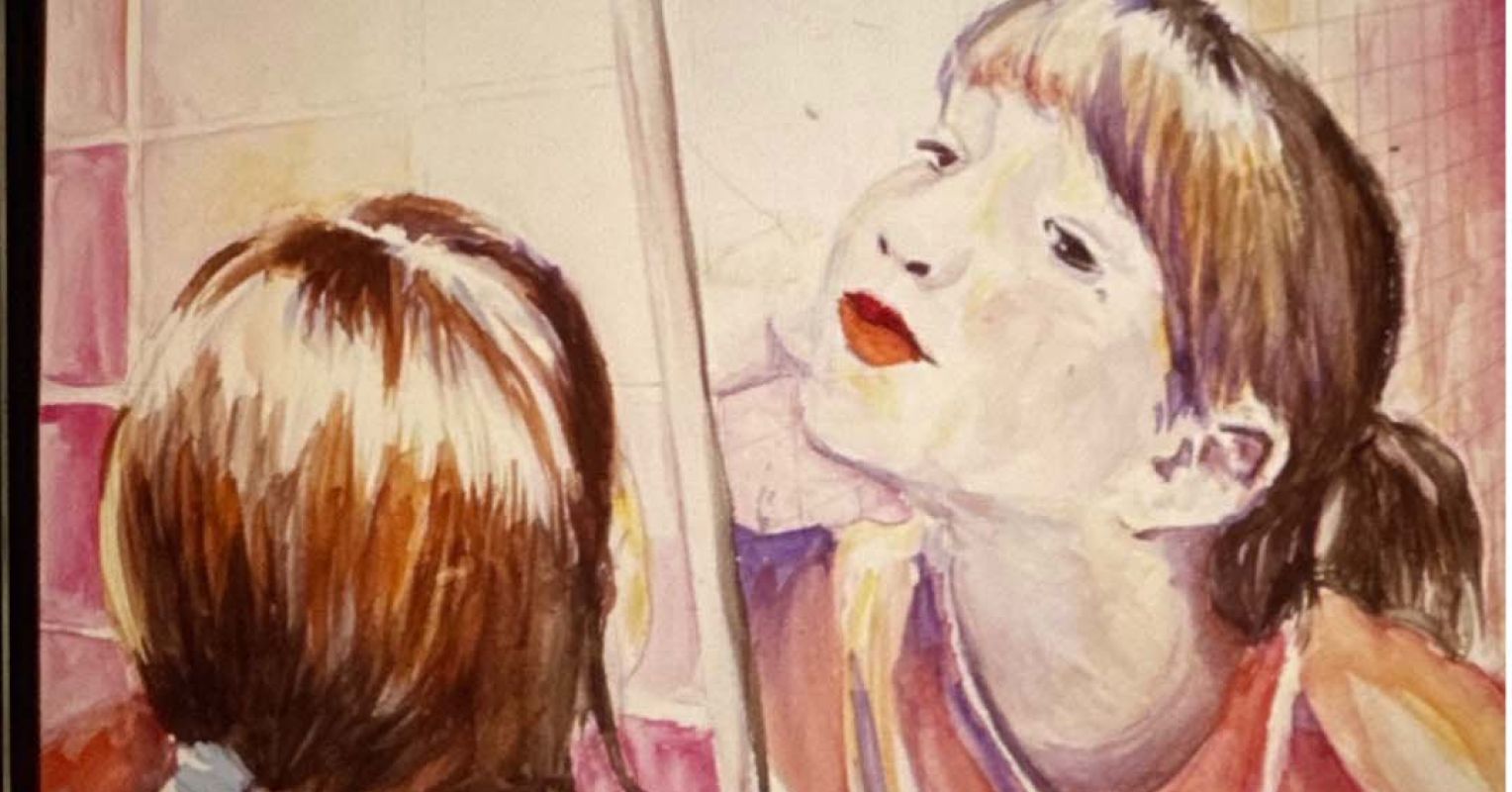
Causing hearts to flutter and doors to open wide, physical attractiveness, with its broad social capital, gives us unmistakable advantages. It is a potent sorter of who ends up being with — or working for — whom. The target of Cupid’s arrow, not only does physical attractiveness capture desire at “hello,” but it also influences assumptions about other valued attributes — a “halo” effect. Skin deep? What is beautiful often seems good and even smart. The pixie dust of the “beauty premium” is hard to beat.
And so it is that we put considerable effort into looking our best. Our mirror on the wall is a necessity and works overtime. Venturing out into public requires a certain amount of sprucing up, and for prime time, we must look our very best. Think of the many things people do to look better, from temporary efforts (make-up, hair pieces) to permanent changes (face lifts, hair implants); from “natural” work (visits to the gym) to artificial work (Botox); from public efforts (at salons and barber shops) to private behaviors (like surgery, sometimes in foreign countries). As true as it may be that handsome is as handsome does, we’ll take the benefits of handsome looks any day.

But, as marketing researchers Rosanna Smith, Linyun Yang, and Adriana Samper explore in a recent review article, there is a “double bind” challenge connected to these efforts to look our best. They outline two appearance-related societal expectations that can operate in frequent, tense conflict with each other.
First, there are societal pressures to meet acceptable standards of appearance, meaning that much of the “beauty work” that we do comes down to a requirement. Women feel that they should remove body hair, for example. Men feel that they should disguise a premature receding hairline. Aspects of appearance that are the result of required modification become what is viewed as “natural” and establish themselves as firm norms. Women should shave their underarms, right? Failing to put forth effort to meet acceptable standards is “disgusting” and suggests a lazy want of discipline, or a moral failing. Getting by on just a smile won’t cut it.
Second, at the same time, we are expected to be authentic in how we manage our appearance (e.g., a nose job should not be detectable; increased bicep muscles should not betray the use of supplements). If we put in too much effort in our appearance, we can be called out as vain, deceptive, or fake — a dressing down for dressing up.

Toupee or not toupee?
Smith and her colleagues argue that there is a narrow latitude of acceptance for managing this double bind, a tight zone where beauty work meets societal standards without seeming to misrepresent one’s authentic appearance. Examples include the subtle use of Botox to get rid of wrinkles rather than having an obvious facelift, using “no makeup makeup” to create an appearance of naturalness rather than actually going barefaced, or using hair dye that leaves but a touch of grey.
Marketing plays a role in both creating and managing this double bind. Standards of appearance evolve from people’s exposure to idealized models in advertising and the shaping of attitudes about aspects of human features that “must” be modified. Products are offered to aid in making these modifications (e.g., anti-aging creams, hair removal).
Marketing can also work against the casting of appearance enhancement as excessive by interpreting it as authentic self-expression and redefining, thereby broadening and individuating what is deemed natural. We can feel free to expand proudly the latitude of acceptance of this double bind.
There are other ways of managing the challenges of the double bind.
One is to increase our awareness of how marketing messages shape our lives. Media “literacy” gives us more control over its effects as we examine the many messages inundating us. This critical eye is even more needed in the age of social media, where beauty trends from buccal fat removal to “looksmaxxing” practices, like mewing and bone smashing, catch viral wildfire.
Another is to recognize that we are hardly alone in navigating these challenges. All people have had to contend with their appearance, and even the decision to do nothing is itself a choice.
Yet another is to recognize that your choices can influence norms about what appearance-driven behavior is acceptable. If fewer people decide to cover their greys, the first signs of greying might come to feel like a point of pride rather than something people are expected to conceal. Likewise, if more people were open about having cosmetic surgery, those with poor surgical outcomes might face less ridicule. Especially along the margins, push and expand the latitude of acceptance, making life incrementally easier for yourself and others.
