


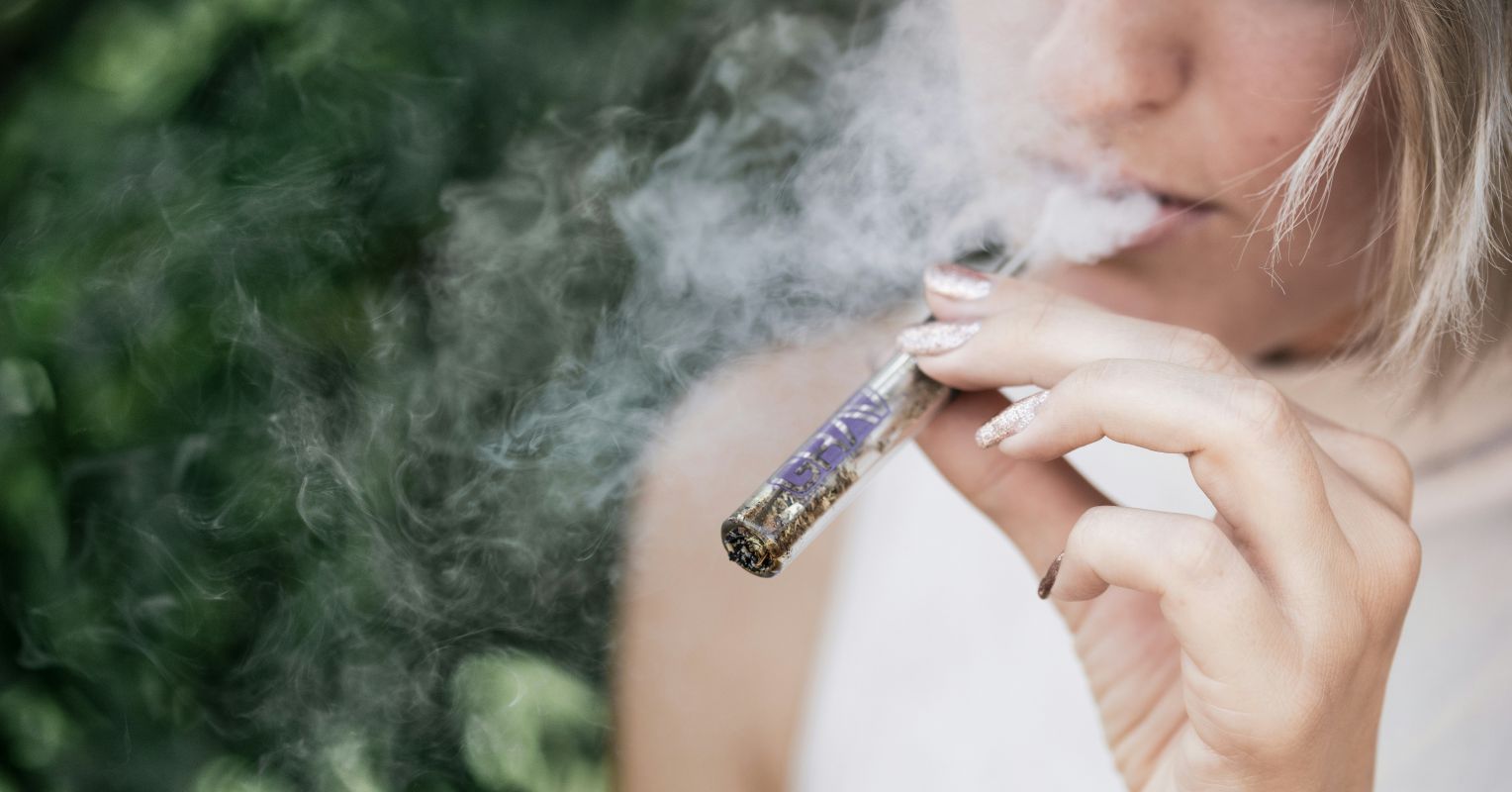
Marijuana has long been a popular drug. When it first became popular, it was seen as the drug of choice for “stoners”—people who drop out of school or life. People who lose motivation to do much of anything.
After its legalization, it’s become more popular, especially amongst adolescents and seniors. It has also become considerably stronger.

Not only that, but there’s a new trend to refer to it as “medicine.” It’s been touted as a remedy for wide-ranging issues from pain to anxiety, sleep disorders, and a range of other physical and psychological issues.
Is Marijuana “Harmless”?
The problem is, public opinion has changed far faster than science. Many drugs are made from plants—alcohol and heroin, for example—as well as cocaine and mescaline. Like cannabis, these recreational drugs have potential “medicinal value.” However, all of them also have potentially serious consequences. When people solely refer to marijuana as “plant” and “medicine,” it makes it sound as if it’s unique amongst these drugs and without potential harm.
It isn’t. It is, in fact, a drug. And while, in the future, science may be able to truly isolate and research parts of the plant and its components and create medicine from it, in its current form it should be understood as a drug. And while many people use cannabis without catastrophic outcomes, research increasingly shows measurable risks—including addiction, psychosis, paranoia, cognitive effects, and worsening mental health—that deserve more public attention.
The Risks of Marijuana

For example, people are often surprised to learn that marijuana can be addictive. To be fair, when it first became popular in the 1960s, addiction was considerably more rare. But that marijuana was a different drug than today’s—much less potent. Today, statistics indicate that roughly 3 in 10 cannabis users develop some degree of cannabis use disorder, which can include cravings, withdrawal, loss of control, and continued use despite problems caused by using the drug. Risk of addiction rises substantially with daily use, and earlier age of onset (1 in 6 who begin use before 18) and the number has been rising each year.
In addition to addiction, there’s a strong—almost definitive—link between marijuana and psychosis/schizophrenia. While it’s impossible to prove causation, there’s a proven association between the two. The highest risk appears to be in genetically vulnerable individuals, but earlier use increases risk (the younger the user, the higher the probability of psychosis), as do higher THC potency and higher doses. That said, research now shows the risk exists even without any genetic predisposition. Symptoms can include paranoia, hallucinations, and increased schizophrenia risk. It’s called cannabis-induced psychosis.
There are even more common problems that can affect even recreational users. For example, there’s strong evidence that some users become markedly paranoid while intoxicated. Similarly, others experience irritability and anger during withdrawal from its effects. People are often surprised to hear this—the mellow, silly stereotype associated with marijuana doesn’t fit with symptoms of anger or rage. But a daily-life study found marijuana use was associated with increased impulsivity on the same and following days of use, and with greater interpersonal hostility the following day. In fact, heavy or frequent cannabis use is linked to much higher odds of physical violence.
No Use Is Risk-free
As stated earlier, most people can use marijuana lightly without serious harm. That said, even light, occasional use should not be confused with being “risk-free.” Cannabis is associated with impaired driving, attention and memory effects, anxiety (in people who are susceptible), and loss of motivation. Cannabis use has also been linked to decreased heart muscle contractility and vascular inflammation, and long-term recreational users show average IQ decline, with the effects especially concentrated in those who start young (before the age of 25).
Public perception largely views marijuana use as harmless. This is partly because of its former, less powerful history (as a more “lightweight drug”) but also because of the introduction of “medical marijuana,” social media portrayal, and, similar to alcohol, the normalization due to legalization. But the marijuana sold today is of a significantly higher THC potency than decades ago. Like alcohol, marijuana exists on a spectrum of risk. The problem is that public conversation increasingly focuses on the benefits while minimizing the documented harms.
