



While individual therapy emphasizes personal introspection, group therapy harnesses the collective experience of its participants to foster healing. In the mid-20th century, this shift reflected broader societal transformations and a growing recognition of mental health's communal aspect. As you explore the factors that catalyzed this evolution, consider how the aftermath of World War II and the insights of pioneering figures like Kurt Lewin and Irvin D. Yalom reshaped therapeutic landscapes. What implications did these changes have for our understanding of mental health, and how do they resonate in today's practices?
Historical Context of Mental Health

The mid-20th century marked a pivotal change in the historical context of mental health, reflecting society's evolving understanding of psychological well-being. You'd see a dramatic shift from the stigmatization of mental illness toward a more compassionate and informed approach. This period witnessed the rise of psychoanalysis, spearheaded by figures like Freud, who emphasized the importance of unconscious processes. As you explore deeper into this era, you'll notice the increasing significance placed on humanistic psychology, which championed individual experience and self-actualization. Additionally, advancements in therapeutic interventions, such as cognitive rehabilitation, began to gain traction, focusing on improving cognitive functions and daily living skills.
Policy changes also played a vital role in this transformation. Deinstitutionalization movements sought to reintegrate individuals with mental health conditions into society, promoting community-based care over confinement. This shift made mental health more accessible and encouraged a focus on preventive measures. You'd realize that this context laid the groundwork for innovative treatment modalities, signaling a departure from rigid, traditional practices.

Moreover, the societal upheavals of the 1960s and 70s—civil rights movements, counterculture—further influenced perceptions of mental health, encouraging an open dialogue. This era set the stage for the eventual emergence of group therapy as a viable therapeutic option, which would capitalize on these newfound understandings.
Emergence of Group Therapy
As society's understanding of mental health evolved in the mid-20th century, group therapy began to emerge as a compelling alternative to traditional individual therapy. This shift stemmed from a growing recognition that social interactions play a vital role in psychological well-being. In fact, research in cognitive psychology highlights the importance of social support in recovery, suggesting that shared experiences can enhance cognitive processes and overall mental health evidence-based practices. You might notice that group therapy harnesses the power of shared experiences, allowing individuals to confront their issues within a supportive community.
Moreover, you'll find that group therapy offers diverse perspectives, enriching the therapeutic process. Participants can reflect on others' stories, gaining insights that may elude them in individual sessions. This collective dynamic fosters empathy and reduces feelings of isolation, which are often prevalent in mental health struggles.

The emergence of group therapy also aligns with a broader movement toward democratizing mental health care, making it more accessible. You're likely to appreciate how this format often reduces costs and provides immediate support for those in crisis.
In essence, the rise of group therapy represents a paradigm shift in mental health treatment, emphasizing the interconnectedness of individuals. It challenges traditional notions of therapy, underscoring that healing can also occur through shared vulnerability and collective strength.
Key Figures and Innovators

Throughout the development of group therapy in the mid-20th century, several key figures emerged who greatly shaped its practice and theory. One of the most influential was Kurt Lewin, whose work on group dynamics laid the foundation for understanding how individuals interact within groups. He posited that the group environment greatly influences individual behavior, emphasizing the importance of social context in therapeutic settings. This aligns with the principles of Cognitive Dissonance, suggesting that conflicting beliefs within a group can lead to profound personal insights and transformation.

Another pivotal figure was Irvin D. Yalom, who popularized the concept of therapeutic factors in group therapy. His focus on interpersonal relationships within groups highlighted how shared experiences foster healing and personal growth. Yalom's theoretical framework encouraged therapists to facilitate open communication among group members, enhancing the therapeutic process.
Additionally, Carl Rogers' person-centered approach contributed to the humanistic perspective in group therapy. His emphasis on empathy, acceptance, and authenticity encouraged a safe space for members to explore their thoughts and feelings.
Therapeutic Techniques in Groups
Several therapeutic techniques have emerged in group therapy, each designed to enhance the healing process and foster a supportive environment. One key technique is the use of role-playing, where you and your peers can explore different perspectives and emotions. This method encourages empathy and understanding, allowing participants to engage with their feelings in a safe space. Group therapy can also benefit individuals facing cognitive rehabilitation challenges, as it provides collective support and shared experiences that can be particularly helpful for those dealing with cognitive disorders.

Another important approach is the use of feedback loops. In this situation, group members provide constructive criticism and support to one another, creating a dynamic of mutual growth. This technique not only builds trust but also enhances self-awareness, as you learn how your behaviors affect others.
Additionally, the concept of universality plays a significant role in group therapy. When you realize that others share similar struggles, it can alleviate feelings of isolation and shame, fostering a sense of belonging.
Facilitating open communication is essential, as it encourages vulnerability and deeper connections. Techniques like active listening and guided discussions help maintain focus on individual experiences while promoting collective healing. By integrating these approaches, group therapy becomes a powerful tool for personal transformation and community support.
Impact of World War II


The impact of World War II on group therapy was profound, reshaping both its methodology and its societal perception. As soldiers returned home, many carried psychological wounds that traditional individual therapies struggled to address effectively. In response, mental health professionals began to recognize the power of shared experiences, leading to the emergence of group therapy as a viable treatment option. You'd find that the war created a pressing need for efficient therapeutic interventions, encouraging practitioners to explore the dynamics of group settings where individuals could support one another in processing trauma.
Moreover, the war catalyzed a shift in how society viewed mental health. As the stigma around psychological issues began to dissipate, you saw an increase in the acceptance of group therapy as a legitimate form of treatment. The community-oriented nature of group sessions fostered a sense of belonging among participants, contrasting the isolation often felt by veterans. This collective healing process not only helped individuals cope with their experiences but also laid the groundwork for future developments in therapeutic practices. Ultimately, the war's aftermath highlighted the importance of interpersonal connections in mental health, forever altering the landscape of psychological treatment.
Social Changes and Mental Health
As society emerged from the shadows of World War II, you might notice an urgent shift in psychological needs that demanded attention. The rise of community support systems reflected a collective understanding of mental health's importance, leading to innovative therapeutic approaches that catered to diverse populations. This period marked a significant transformation, as mental health became increasingly intertwined with social dynamics and community well-being.
Post-War Psychological Needs

Post-war society faced a profound shift in psychological needs, driven by the collective trauma of conflict and the rapid social changes that followed. You might have noticed how returning soldiers grappled with PTSD, while civilians struggled with the loss of loved ones and the disintegration of traditional family structures. The urgency to address these issues led to the emergence of group therapy as an essential resource for healing.
Consider the emotional landscape of this era:
- The haunting memories of war lingered, creating a chasm of silence.
- Families shattered by loss sought connection in shared grief.
- Social upheaval bred anxiety, as communities transformed overnight.
- Stigmas surrounding mental health began to crack, allowing vulnerability to surface.
- A collective yearning for understanding and support emerged, uniting diverse individuals.
These elements illustrate a society in desperate need of emotional expression and connection. Group therapy became a transformative tool, offering a safe space to navigate feelings of isolation and fear. By fostering dialogue and mutual support, it addressed the psychological needs of a generation, paving the way for a more compassionate approach to mental health in the years ahead.
Community Support Systems

Amidst the societal transformations of the mid-20th century, community support systems emerged as essential lifelines for individuals grappling with mental health issues. These systems, often comprising various informal networks and organized groups, played a pivotal role in addressing the psychological aftermath of widespread societal upheaval. You'd find that these support structures fostered a sense of belonging, which is vital for mental well-being. They offered individuals a space to share their experiences and connect with others facing similar challenges.
Furthermore, community support systems provided resources that were often scarce in traditional therapeutic settings. They facilitated peer-led initiatives, where individuals could receive guidance and encouragement from those who had navigated similar struggles. This model not only democratized mental health support but also empowered participants, reinforcing the idea that recovery is a collective journey rather than an isolated endeavor.
In this context, the role of social changes cannot be overstated. As societal norms shifted toward inclusivity and empathy, community support systems became more recognized as integral components of mental health care, reinforcing the notion that addressing psychological needs requires a holistic, community-focused approach.
Evolving Therapeutic Approaches

The emergence of community support systems laid the groundwork for evolving therapeutic approaches that recognized the importance of social context in mental health care. You've likely noticed how conventional models have shifted, emphasizing not just individual pathology but also the relational dynamics that play a vital role in mental well-being. This evolution aligns with broader social changes, reflecting a growing understanding of mental health as interwoven with societal factors.
Consider the following aspects that illustrate this transformation:
- Shared Experiences: You're not alone in your struggles; collective narratives can foster healing.
- Empowerment: Group therapy promotes a sense of agency, allowing you to reclaim your voice.
- Connection: Building relationships within therapeutic settings can alleviate feelings of isolation.
- Diversity: Engaging with varied perspectives enriches your understanding and empathy.
- Holistic Perspectives: Integrating social, cultural, and economic factors provides a more thorough approach to care.
As you explore these evolving approaches, you'll see how they challenge traditional frameworks, advocating for a more inclusive understanding of mental health that resonates with today's societal complexities.
Benefits of Group Therapy

Group therapy offers numerous benefits that can considerably enhance individuals' psychological well-being. One of the most significant advantages is the sense of belonging it fosters. When you share experiences with others facing similar challenges, you realize you're not alone, which can alleviate feelings of isolation. This shared experience cultivates empathy and understanding, allowing you to explore your feelings in a safe environment.
Moreover, group therapy provides diverse perspectives. During discussions, you gain insights into your own issues by listening to others' experiences. This can challenge your thinking and encourage personal growth. It's a unique opportunity to receive feedback in real time, as group members often provide support and constructive criticism.
Additionally, the group dynamic can amplify motivation. As you witness others working through their problems, you may feel inspired to tackle your own. The accountability that comes with regular sessions encourages commitment to your therapeutic journey.
Critiques and Limitations
While group therapy presents many benefits, it also faces critiques and limitations that can impact its effectiveness for certain individuals. One key concern is that the group dynamic may overshadow individual needs, causing some members to feel unheard or marginalized. Additionally, the success of the therapy often hinges on the facilitator's skill; a poorly trained leader can exacerbate issues rather than resolve them.
Consider these limitations:
- Fear of Vulnerability: Sharing personal struggles in a group can be intimidating, leading to reluctance and withdrawal.
- Groupthink: The desire for harmony may suppress dissenting opinions, hindering honest discussions.
- Incompatibility: Individuals may find themselves in groups with members whose issues don't resonate, creating a disconnect.
- Time Constraints: Limited session time can prevent deeper exploration of personal issues.
- Stigmatization: The fear of being judged by peers may discourage some from fully engaging.
These critiques highlight that while group therapy can be transformative, it's not a one-size-fits-all solution. Understanding these limitations is essential for both participants and clinicians as they navigate the complex landscape of mental health support.
Legacy and Modern Influence
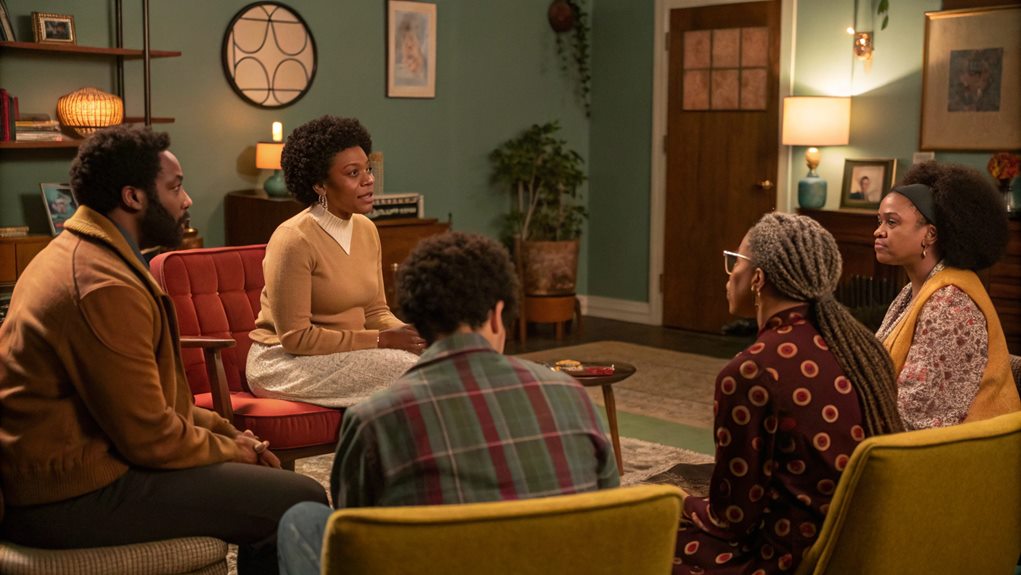
As you explore the legacy of mid-20th century group therapy, you'll notice its profound influence on the development of therapeutic communities and contemporary treatment models. This era laid the groundwork for integrating group dynamics into mental health care, reshaping how practitioners approach healing and support. Understanding these connections reveals the lasting impact on mental health practices we see today.
Therapeutic Community Developments
In the mid-20th century, therapeutic communities emerged as a revolutionary approach to mental health care, reshaping how individuals interacted within treatment settings. This model emphasized the collective experience, enabling you to find solace and understanding among peers. The shared journey fostered authentic connections, leading to significant changes in both personal and communal healing processes.
These developments in therapeutic communities paved the way for an enduring legacy that still influences modern practices. You might feel the impact of these communities in various ways:
- A sense of belonging that combats isolation.
- Empowerment through shared experiences and mutual support.
- The opportunity for personal growth in a safe environment.
- The challenge of confronting difficult emotions alongside others.
- A platform for fostering empathy and understanding.
As you reflect on these elements, consider how the therapeutic community model prioritizes collaboration over hierarchy, facilitating a more holistic approach to mental wellness. The principles established during this period continue to resonate today, emphasizing the importance of interpersonal relationships in recovery and reinforcing the notion that healing is often a communal endeavor.
Integration Into Treatment Models
The integration of therapeutic community principles into modern treatment models has transformed mental health care, influencing approaches across various disciplines. By emphasizing the social context of therapy, you recognize that individuals don't heal in isolation; rather, they thrive within supportive groups. This shift encourages collaboration among healthcare providers, fostering interdisciplinary approaches that blend psychology, social work, and psychiatry.
Incorporating group dynamics into treatment models allows you to address the multifaceted nature of mental health issues. Techniques derived from group therapy, such as peer feedback and shared experiences, enhance the therapeutic alliance and create a safe environment where vulnerability is normalized. This environment not only promotes individual healing but also cultivates social skills and resilience.
Moreover, modern treatment frameworks that integrate group therapy principles often utilize evidence-based practices. You can see this in programs that rely on cognitive-behavioral techniques within group settings, demonstrating effectiveness in managing disorders like anxiety and depression. As a result, the legacy of mid-20th-century group therapy continues to inform contemporary practices, ensuring that mental health care evolves to meet the complex needs of individuals while honoring the power of community.
Impact on Mental Health
Group therapy's influence on mental health care is profound and multifaceted, shaping both legacy and contemporary practices. You see, it revolutionized the way individuals engage with their own mental health journeys, moving beyond the traditional one-on-one therapy model. This collaborative environment fosters a sense of community, allowing participants to share experiences, validate each other's feelings, and learn from diverse perspectives.
Consider the emotional impact of group therapy:
- Connection: It alleviates the isolation many feel in their struggles.
- Empathy: Witnessing others' vulnerabilities fosters a deep sense of understanding.
- Courage: Participants often find the strength to confront their issues together.
- Growth: Shared insights can lead to breakthroughs that individual therapy might miss.
- Hope: Seeing others progress instills optimism for one's own recovery.
As you reflect on these aspects, it's clear that group therapy not only provides immediate support but also creates lasting change in how mental health is perceived and treated. Its legacy continues to influence modern therapeutic practices, emphasizing the importance of community and shared healing in a world that often feels disconnected.
Read The Next Blog Post –
In reflecting on the rise of group therapy, it's clear you're witnessing a transformative shift in mental health care, akin to a phoenix rising from the ashes of isolation. This collective approach not only addresses individual traumas but also fosters a sense of belonging, echoing the sentiments of ancient philosophers who valued community. As you navigate today's mental health landscape, remember the lessons learned: healing often flourishes in unity, where shared experiences become the bedrock of recovery and resilience.


