


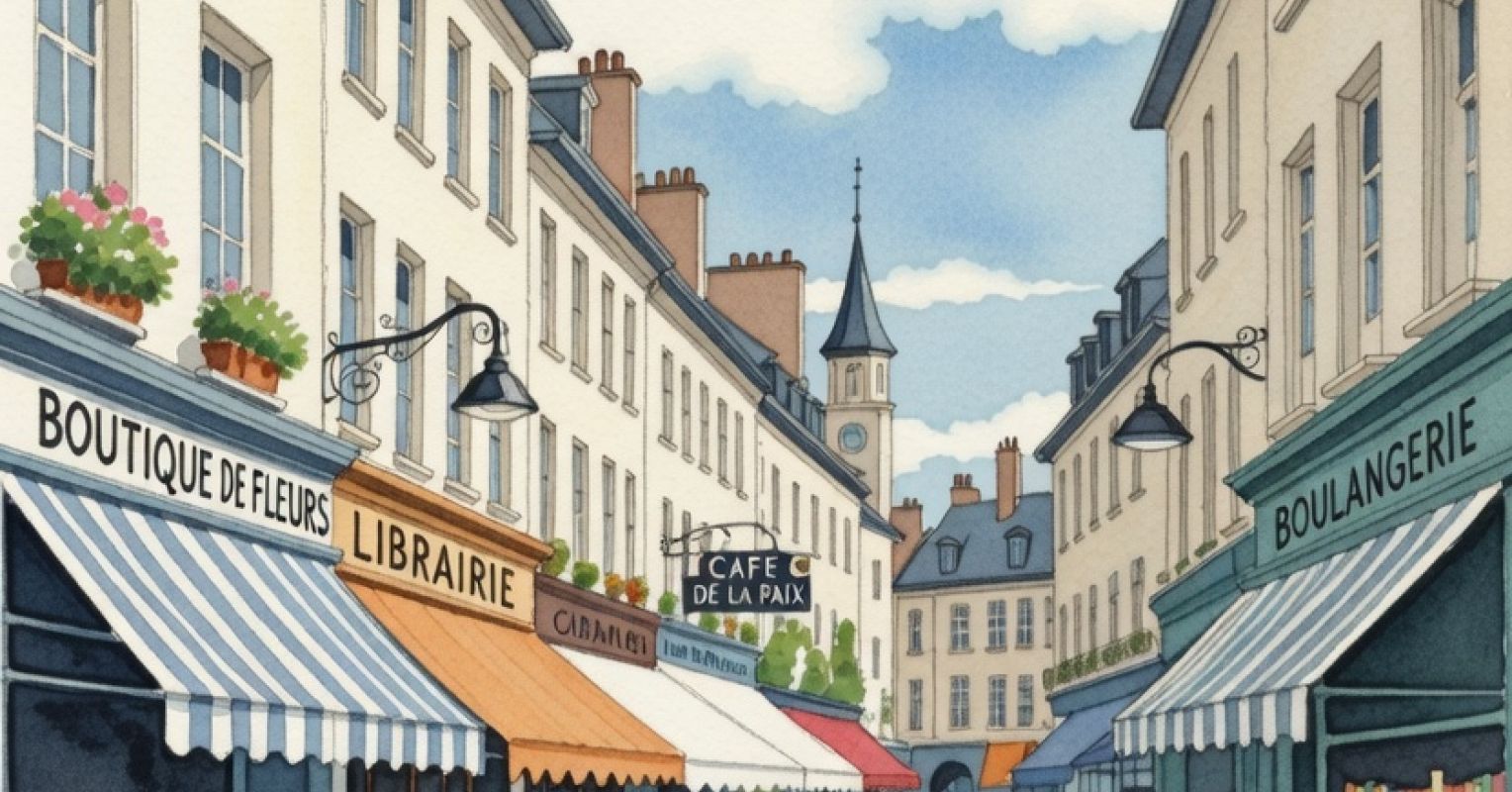
There is a particular form of blindness that afflicts the fortunate—a blindness to the quiet miracles of ordinary existence. We walk through our days surrounded by what a patient once called “unexperienced happiness,” moving through gifts we no longer recognize as gifts, breathing blessings we’ve forgotten are blessings. It often takes a brush with loss to restore our sight. This is a meditation that can perhaps grant us more mindfulness than hundreds of seminars. It’s about the obvious that we sometimes simply no longer see.
The Loss of “Normal”
Let me share a story that illuminates this phenomenon with uncomfortable precision. It involves a woman—let’s call her Anna—whose experience I documented as part of our research into meaning and mortality. Her story unfolds in the kind of pedestrian zone you find in old European cities: cobblestones worn smooth by centuries, small shops with their familiar windows, the bakery, the flower shop, the bookstore, children playing while their parents chat over coffee. This is the theater of everyday life, so ordinary it becomes invisible.

Anna is walking to her doctor’s office for routine blood work results—thyroid levels, basic markers, the kind of medical maintenance we submit to without much thought. It’s a beautiful spring morning. She passes the bookstore and glances at the new releases, already planning her summer reading. At the boutique, she admires the light fabrics in the window, anticipating warm days when summer comes. The flower shop displays tulips in a wonderful variety of colors. Other people move past—a mother with a stroller, an elderly couple walking slowly, arm in arm, teenagers laughing at something on a phone. Life happening. Ordinary life.
In the waiting room, she leafs through magazines. Articles about remote islands one might visit. New restaurants to try. The upcoming theater season. The future spreading out in all its assumed availability. Then the doctor calls her in, and his face carries something it usually doesn’t—gravity, concern. The blood values are “not quite right.” He mentions tumor markers, draws more blood, and asks her to return in three days. The words are carefully neutral, but they carry weight, fear, and uncertainty.
Unexperienced Happiness
And now she is walking back through the same pedestrian zone. Anna experiences what phenomenologists might call a “rupture in the natural attitude.” The bookstore is still there, but those novels she won’t read if—. The boutique’s summer dresses mock her with their assumption of future seasons. The flowers seem almost aggressive in their beauty, their vitality a reproach to her sudden fragility. But it’s the other people who affect her most profoundly.

She watches them moving through their lives—checking phones, window shopping, complaining about small things—and thinks: “They are swimming in happiness and don’t know it. They’re breathing pure gold and experiencing it as air.” She recognizes in them what she now sees she has been: a person so habituated to health, to possibility, to the simple glory of an unproblematic future, that these gifts had become invisible. They are living what she now understands as “unexperienced happiness”—joy that is present but unregistered, treasure that is held but not felt.
For three days, Anna lives in a different world. She actually feels homeless. She’s in the same physical space, but transformed. Every ordinary pleasure—morning coffee, the feeling of sun on her face, her cat’s purr—arrives with almost unbearable poignancy. She finds herself wanting to stop strangers, to shake them gently and say: “Do you realize? Do you understand what you have?” But she knows how this would sound. She knows that this recognition cannot be transmitted, only discovered.
Resurrection: Joy in the Return to Normal
When she returns to the doctor’s office, she doesn’t read the magazines. She feels a fear of having no future. Everything has become uncertain. The doctor enters with his old smile. Good news: It was a laboratory error. The markers are normal. She’s fine.
The word “fine” has never carried such weight.
Walking home through that same pedestrian zone (actually, she’s not walking; she’s dancing inwardly with joy), Anna experiences what she later described to me as “resurrection into the ordinary.” The bookstore window isn’t just a display of books, but a promise that there will be time to read. The summer dresses aren’t mockery, but an invitation. The flowers are allies, fellow participants in the project of being alive. Everything is bathed in the light of joy. And what is this light? The ordinary. She has her life back.
Happiness Essential Reads
Viktor Frankl once defined happiness as “that which we do not have to experience”—meaning, paradoxically, that true happiness often lies in the absence of suffering we might have endured, in the disasters that didn’t happen, in the simple continuation of what we call “normal life.” But Anna’s experience reveals another dimension: happiness we do have but don’t experience, joy that surrounds us but remains unfelt because we’ve lost the eyes to see it. This is how one can, how you can, transform your life.
So extraordinary is the ordinary.


