


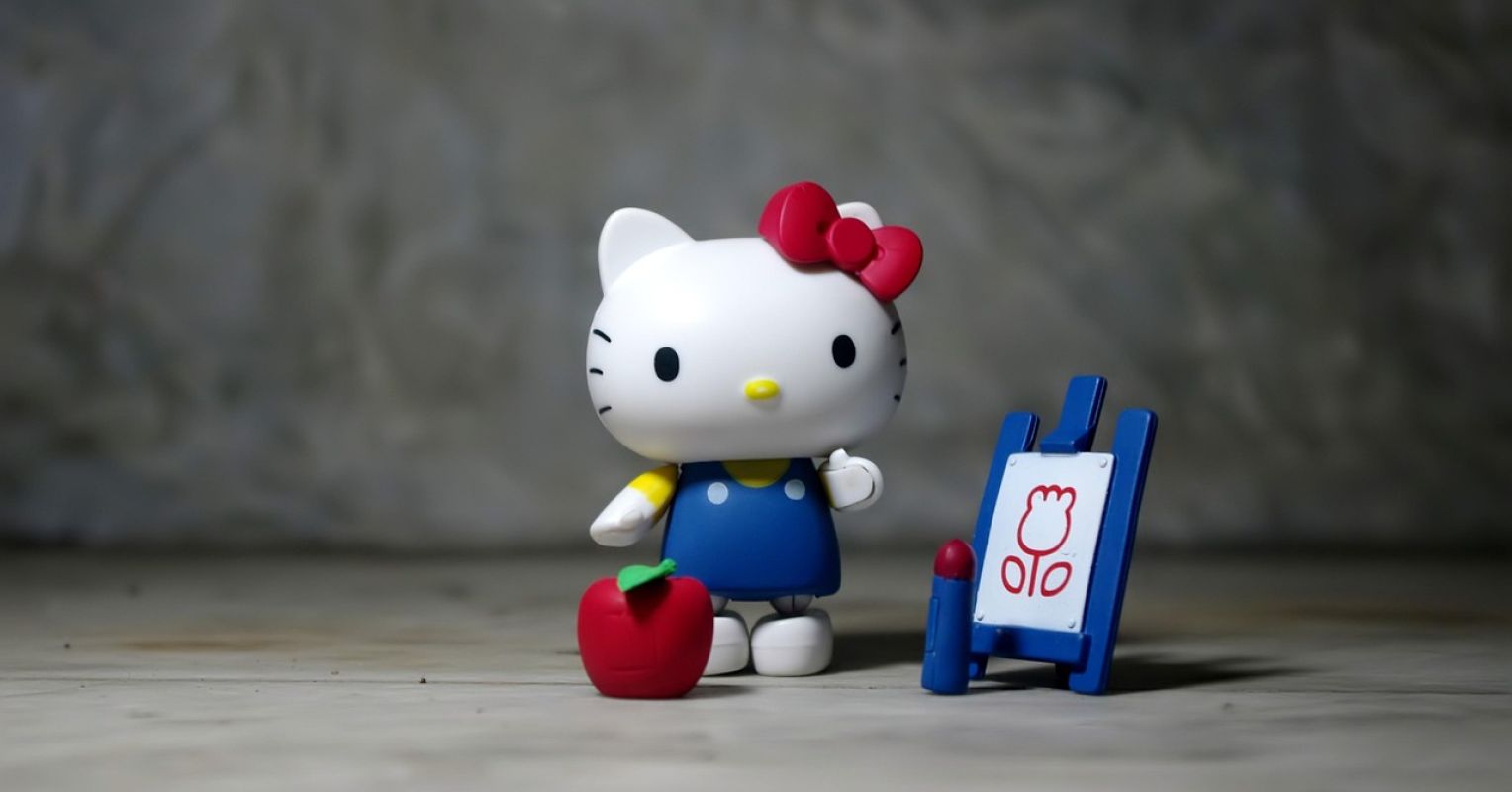
It’s a branding phenomenon worth billions globally. In Japan, the epicentre of the aesthetic known locally as kawaii, brands like Hello Kitty and Pokémon have generated extraordinary value. Cuteness may appear innocent and innocuous, but it commands attention and influences our spending in incredibly powerful ways.
From toilet paper to video games, cute branding sells. Its design language taps into mental schemas linked to youth. Physically, that means bigger eyes, larger foreheads, rounded bodies, clumsy movements, softer colours and fluffy textures. Psychologically, it draws on traits such as vulnerability, innocence, naivety, sleepiness and playfulness.
Two Faces of Cute

Researchers broadly categorise cuteness into two forms: baby schema and whimsical. Baby schema — whether expressed as a human infant, animal, or even inanimate object — triggers our instinctive nurturing response. We look longer, smile more, physically approach, and rate baby schema images as more likable. These are evolved responses designed to protect our young.
Whimsical cute, on the other hand, activates playfulness, joy and reward-seeking. Think Innocent smoothies, Chupa Chups lollies, Ben & Jerry’s, or Mailchimp. All brands that evoke a sense of fun and simplicity. They make us feel good, leaving us instinctively drawn to products designed with whimsy in mind.
The Darker Side of Cute Design
So far, so obvious. But there’s a more disturbing side of cute branding: it’s equally effective when applied to products that directly contradict the very ideals of innocence and joy that it is promoting. Consider Laughing Cow cheese, Petit Filous yoghurts, or Bernard Matthews turkey drumsticks. Cute animals and happy mascots feature on packaging promoting products made from their own carcasses or secretions.

While farming practices have evolved to consider animal welfare, it’s difficult to argue that there is inherent joy in industrial slaughter. And yet, cute imagery on meat and dairy products continues to thrive. This is not by accident, but as a deliberate tactic. Brands familiar with the psychology of baby schema use it to attract children and gloss over the realities of meat and dairy production. These visuals soften cognitive dissonance and nudge us to associate livestock products with happiness, safety and comfort. These are emotions far removed from what we’d likely feel on a tour of a factory farm or meat processing plant.
Whimsy as a Weapon?
Animal welfare charities have long tried to highlight this hypocrisy through exposés and myth-busting content, but these efforts often hit psychological roadblocks: denial, minimisation, avoidance.
But what if they leaned into the science of cute instead? If our responses to baby schema are innate, welfare organisations might consider using extra-cute imagery to elicit empathy and concern for animals. Campaigns could showcase tender animal bonds, baby animals at play, or joyful child-animal interactions, so inviting us to protect, not consume.
Brands promoting meat-free options can also harness cuteness to reduce neophobia and boost likeability, especially when introducing new brands to market. Emojis, mascots, rounded fonts, bold colours, and cartoon characters signal playfulness and safety. In fact, studies suggest that cuteness can even sell the toughest sustainability swaps, like ground insects as a novel and more environmentally-friendly source of protein than meat. For example, people rate cricket chips as significantly more positively when packaged with a whimsically cute cartoon bug than without.
Soft Power, Strong Influence
In the age of emotional branding, softness is a strategy. It has the power to direct desire, deflect discomfort, and disguise contradiction. It can sugarcoat systems of production we might otherwise question, were we not quite so easily charmed and disarmed by a guileless baby’s smile.
