


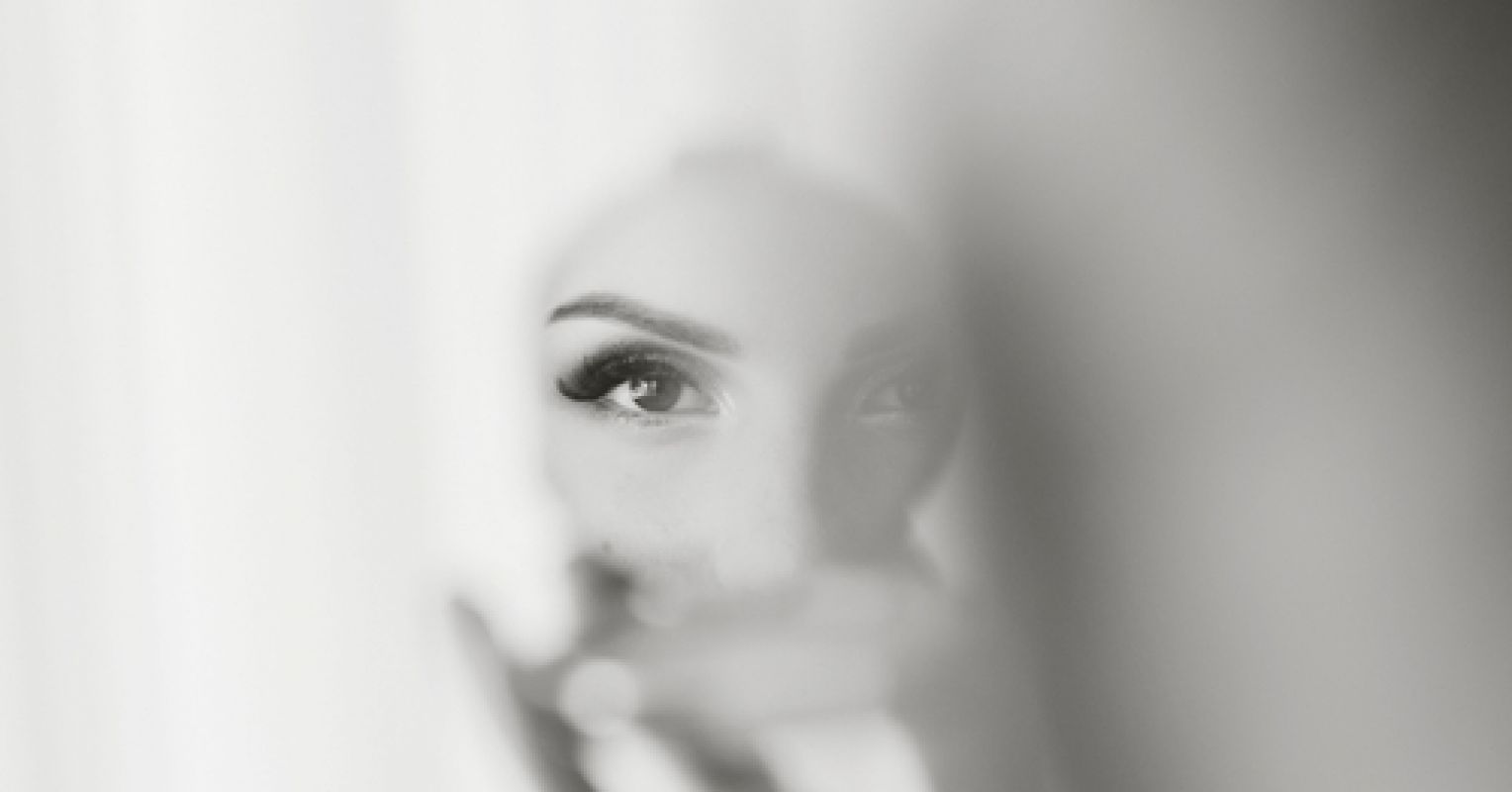
We live in a time when it is easier than ever to be looked at.
We can post a photo, appear on video, update a profile, check our reflection, track our image, and watch ourselves through the imagined eyes of others. Much of modern life now involves being visible: on social media, in meetings, on dating apps, in professional spaces, and even in the quiet moments when we catch sight of ourselves in a mirror or phone camera.

And yet many people still feel profoundly unseen.
That is one of the paradoxes of contemporary life. A person can be praised, followed, admired, evaluated, photographed, desired, or constantly available and still feel unknown.
The reason is simple: being looked at is not the same as being seen.
Attention Is Not Recognition

Being looked at means someone notices the surface. They may notice your appearance, role, performance, productivity, usefulness, or the impression you create.
Being seen means something deeper has been recognized. Someone registers your effort, feeling, intention, vulnerability, complexity, or inner life. They do not simply notice that you are there. They perceive something of who you are.
This distinction matters because human beings do not only need attention. We need accurate reflection. We need the experience of being met by another mind.
A child who performs well at school may receive praise and still feel unseen if no one notices how anxious she is. A parent may be constantly needed by others and still feel invisible as a person. A leader may be respected for competence while no one recognizes the emotional labor it takes to hold everything together. A person may receive compliments on looking good while privately longing for someone to ask how they are really doing.
In each case, the person is visible. But visibility alone does not satisfy the deeper need to feel known.
The Pressure to Manage Visibility
Many parts of everyday life now encourage us to manage how we appear. We curate images, edit words, rehearse introductions, monitor our facial expressions on video, and imagine how others might interpret us.
This is not vanity. It is social awareness. Human beings are deeply responsive to how we are perceived because belonging has always mattered. Being seen accurately can help us feel safe, connected, and real. Being mis-seen, judged, dismissed, or reduced to a role can leave us feeling ashamed, defensive, lonely, or strangely absent from our own lives.
The problem is that modern visibility can easily become self-monitoring.
We may begin to ask, almost automatically:
How do I look?
How am I coming across?
Do I seem competent?
Do I look tired?
Do I appear attractive, successful, confident, relevant, agreeable, calm?
Am I being too much?
Am I not enough?
These questions are often attempts to manage the anxiety of being evaluated. But when they become constant, they can pull attention away from lived experience and toward performance.
We become watchers of ourselves.
When Attention Does Not Become Connection
Social media has intensified this tension. It allows us to be seen by many people at once, but often in fragments: a photograph, a caption, a reaction, a number, a role, a mood, a performance.
A post can bring attention without connection. A person may receive hundreds of likes and still feel strangely empty afterward. The response may confirm that the image was noticed, but not necessarily that the person was understood.
This can happen offline too. Some people are highly visible in their families, workplaces, or communities because they perform a needed function. They are the competent one, the attractive one, the responsible one, the funny one, the successful one, the caretaker, the problem-solver.
But being valued for a function is not the same as being known as a person.
Over time, people can become attached to the very roles that make them feel unseen. The role brings approval, but it also hides them. They may wonder, “Would people still recognize me if I stopped performing this version of myself?”
That question points to a deeper need: to be accepted without having to keep proving one’s value.
Beauty, Aging, and the Fear of Being Mis-seen

The difference between being looked at and being seen is especially important in beauty culture.
Appearance is one of the most immediate ways people are perceived. The face and body enter the room before a person has explained themselves. This can make beauty feel powerful, pleasurable, creative, and expressive. It can also make appearance feel like a site of pressure and vulnerability.
Many people are not simply trying to look better. They are trying to feel safer being seen.
They may worry about looking tired, old, unwell, unprofessional, invisible, undesirable, or unlike themselves. These concerns are not only about appearance. They are often about how appearance changes the way others respond.
This is why simple reassurances such as “looks don’t matter” often miss the point. Appearance matters because social perception matters. We live in bodies that are interpreted by others. The goal is not to pretend that visibility has no emotional weight. The goal is to become more aware of how much of our self-worth has been placed in the imagined gaze of others.
Seeing Ourselves More Clearly
There is also an internal version of this distinction.
We can look at ourselves without really seeing ourselves.
We may look in the mirror and immediately evaluate: older, tired, wrong, not enough. We may review our performance after a conversation and focus only on what sounded awkward. We may check an image and see only what needs to be fixed.
This is looking at the self through a narrow evaluative lens.
In my work on mirrors, self-perception, and emotional awareness, I have become increasingly interested in the difference between looking and seeing. Looking at ourselves often invites evaluation: What is wrong? What should be fixed? How do I appear? Seeing ourselves requires a different kind of attention — one that includes feeling, context, effort, and humanity.
Instead of asking, “What is wrong with me?” we might ask:
What am I feeling right now?
What am I needing?
What story am I telling about how others see me?
Is that story accurate?
Where do I feel most like myself?
Where do I feel I have to perform?
These questions can help shift attention from self-criticism to self-recognition.
A Question Worth Asking
Most of us move through different spaces in which we are seen in different ways. In some places, we feel known. In others, we feel judged, reduced, overlooked, or misread.
It can be useful to ask:
Where in my life am I being looked at but not really seen?
And where do I feel recognized without having to perform?
The answer may reveal something important about your relationships, work, online life, habits of self-presentation, and relationship with yourself.
We cannot control how everyone sees us. But we can become more discerning about the kinds of seeing we seek, the roles we keep performing, and the people with whom we feel most fully human.
Being looked at may give us attention.
Being seen gives us something deeper: the sense that we are known, reflected, and real.
Copyright 2026 Tara Well, PhD
