


Justin Garson’s new book The Madness Pill has been interpreted in different ways. In a review in the Wall Street Journal, psychiatrist Sally Salal describes it as a story of the scientific heroes who ushered psychiatry into the modern era by discovering the biological basis of schizophrenia.
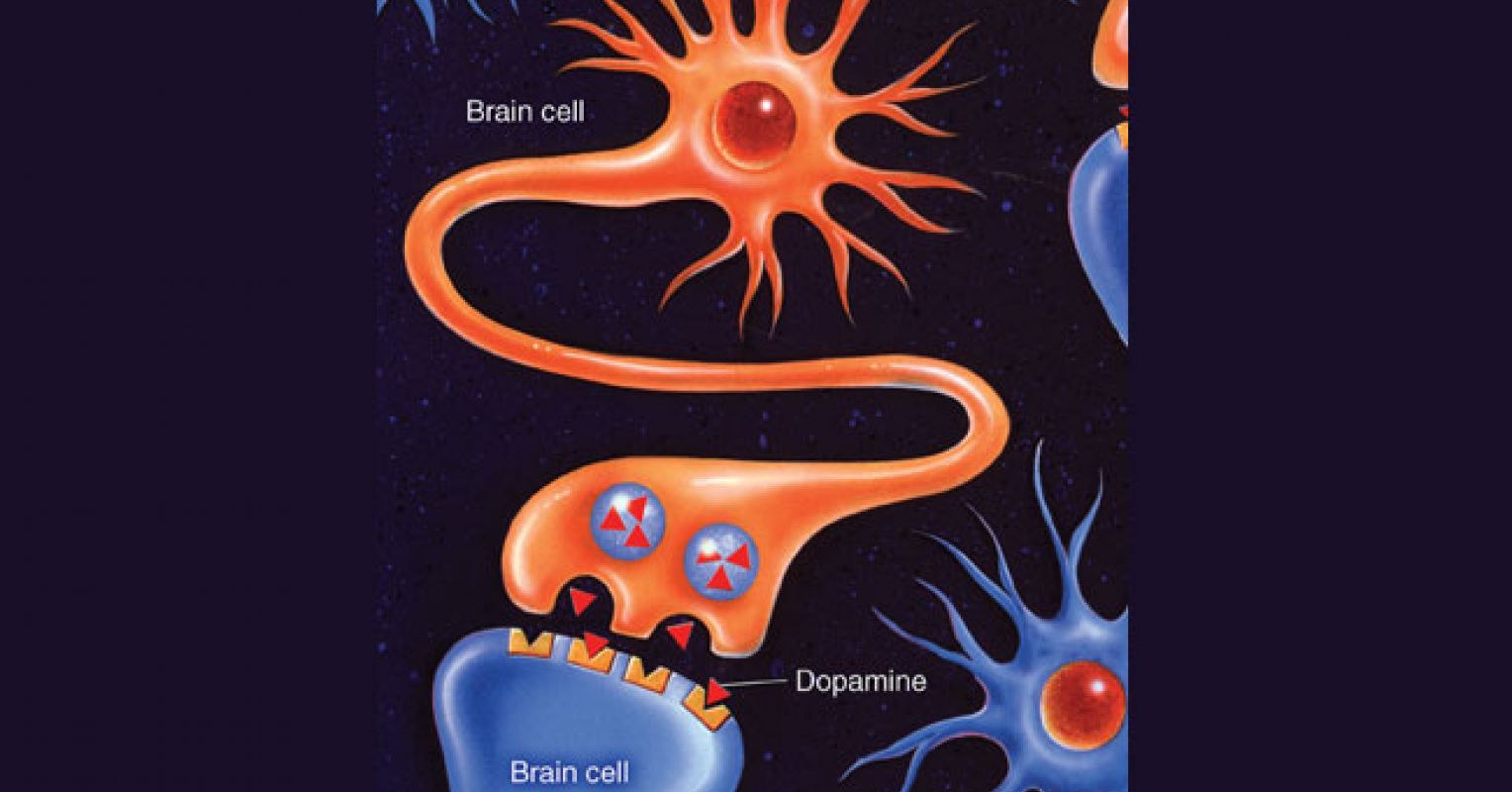
To me, it is the story of brilliant minds being side-tracked by an enticing solution to a complex problem that, as the saying goes, was “clear, simple and wrong.” That solution is the dopamine hypothesis of schizophrenia—the idea that schizophrenia is caused by a brain abnormality—too much, or in some versions, also too little dopamine. The brilliant minds are Sol Snyder, the psychiatrist who wrote the first definitive articulation of the theory in the 1970s, and his mentors and associates.

The dopamine theory of schizophrenia holds psychiatry in sway much like the serotonin theory of depression did for decades. Although there is little evidence of anything awry in the dopamine system of people who are diagnosed with schizophrenia before they are placed on dopamine-modifying drugs, few psychiatrists are prepared to challenge the theory. Its modern proponents weave ever more complex and elaborate versions of it.
The Madness Pill frames the scientific narrative with the story of Garson’s father and his psychotic breakdowns. The first of these occurred in the 1970s, when his father was working for U.S. president Richard Nixon (who would have been enough to make anyone paranoid, by all accounts). At that time, Garson senior saw a psychiatrist who respected his wish not to take antipsychotic drugs, and he made a natural recovery. By the time of his next breakdown in the 1980s, ideas about the biological nature of psychiatric disorders and the corollary that drug treatment was a necessary corrective had taken hold. He was given antipsychotics which numbed the psychotic thoughts and subdued his ‘mad’ behaviour, but gave him crippling side effects, and, in all likelihood, Garson suggests, caused his premature death at the age of 66.
Garson vividly dramatizes the era of the rise of biological psychiatry that produced this change in clinical practice. It was one of feverish experimentation, of undiluted optimism and supreme confidence in the inevitability of progress. Although the story has been told before (including by me in The Bitterest Pills), Garson highlights a key area that has had little attention—the research on drugs that provoke psychosis, particularly amphetamine, the ‘Madness Pill’ of the title.

First it was LSD that inspired Sol Synder with the idea that drugs might be the key to understanding the origins of madness. He thought LSD induced a state akin to schizophrenia, so that working out what it did to the brain would reveal the origins of the condition. When the differences between an LSD trip and a psychotic state started to become apparent, however, and as public attitudes turned against LSD and research supplies became harder to obtain, his interest switched to amphetamine.
As the recreational use of speed (amphetamine) took off in the 1960s, it became clear that it could induce a paranoid, psychotic state that more closely resembled some forms of schizophrenia. Synder found that amphetamine increases the activity of dopamine in the brain, but this didn’t prove that dopamine was the cause of amphetamine psychosis because it also affects lots of other brain chemicals. Then Snyder showed that the effects of the early antipsychotic drugs (then mainly referred to as neuroleptics or major tranquilizers) could be attributed to their ability to reduce or block dopamine activity. This combination of results created an irresistible story. Amphetamines induced psychosis by increasing dopamine activity; antipsychotics cured psychosis by reducing dopamine activity; therefore, psychosis or schizophrenia was caused by too much dopamine.
Synder was convinced he had provided the foundation for proving that schizophrenia is a biological condition but recognised he had only produced indirect evidence for his thesis. So began the quest to find actual dopamine abnormalities in the brains of people with schizophrenia. Despite decades of highly funded research efforts, these never materialised. Moreover, as I documented in The Bitterest Pills, not all antipsychotics act predominantly on dopamine, a problem that was recognised back in the 1970s. By the 1990s, however, Garson says, it “didn’t matter anymore”. The sheer volume of brain research convinced people that schizophrenia is a brain disease. The idea that it was a chemical condition suggested it could and should be ‘rectified by pills’. Thus permanent antipsychotic treatment became the norm.
It is Garson’s father’s story that reminds us what is wrong with this vision. The biological view portrays psychosis as the hollow expression of a disease process and the sufferer as its walking manifestation. It encourages an overly rosy view of antipsychotic drugs and discourages us from developing alternative approaches that help the individual as a whole.
Garson finishes his book by describing some such approaches, including the Soteria projects and the Hearing Voices Network. While not eschewing drug treatment altogether, these models recognise its dangers and aim to minimise its use as far as possible. Most importantly, they recognise madness as a meaningful, yet flawed human reaction to the world we live in. They aim to empower people to understand and manage their experiences better, so that like Garson’s father in the 1970s, they have a chance of recovering without being permanently medicated.
