


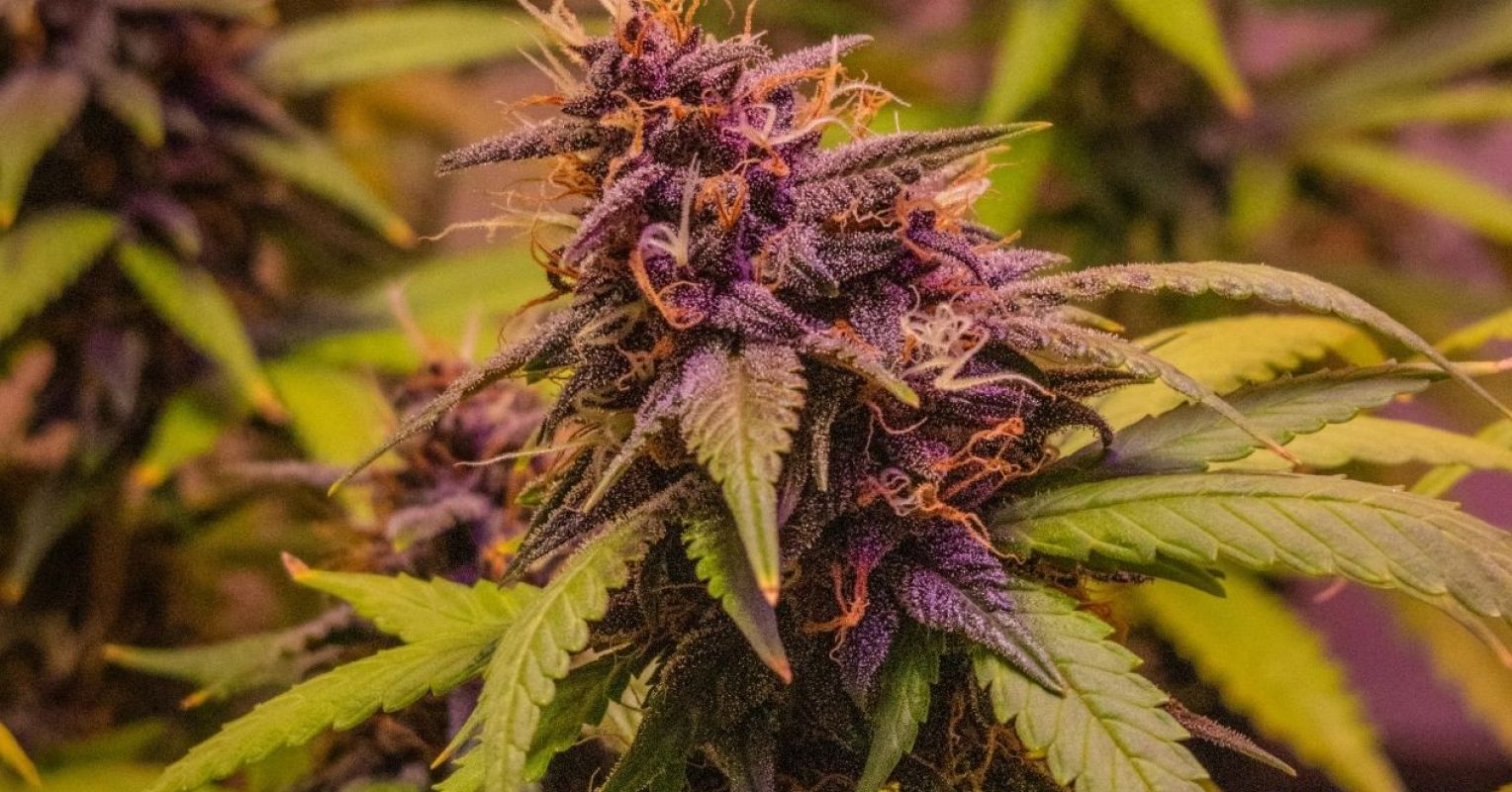
Recreational marijuana is legal in 24 U.S. states, including New York. Nonetheless, on March 31, 2026, state regulators shut down two stores in Rome, NY for illegally selling cannabis products. In fact, similar raids occur about once a month in legal states across the country. Why?
The answer has to do with regulation. Each “green state” has its own regulatory board that (1) licenses producers and retailers, (2) sets and enforces rules around cultivation, production, and testing, and (3) conducts inspections to ensure compliance. Anything produced or sold outside of this system is deemed black market, and therefore illegal.
Why Regulate a Plant?

All that oversight might seem a bit much for cannabis—it’s just flower buds from a plant, after all. But derivative products like edibles and concentrates are less straightforward. This is where safety and regulation matter especially.
Regulated cannabis vape products are limited to a few specific ingredients. Independent, state-certified labs conduct both batch and spot testing to ensure product integrity. Outside of regulated production, oils may contain contaminants that go undetected, such as:
What is Cannabis Vaping?
Cannabis refers to marijuana or hemp. Vaping cannabis involves using a specialized vape pen or pod to heat and aerosolize an oil that contains a cannabis or cannabis-derived extract. The aerosolized “vapor” (not a vapor at all) is inhaled through the device’s mouthpiece in the same manner as smoke from a cigarette.
Why Vape Instead of Smoking?

Smoking marijuana exposes the lungs to carbon monoxide (CO) and toxic pyrolytic compounds, which are absent or significantly lower in vape oil aerosol, mitigating a major aspect of cancer risk (Chaiton et al, 2021).
Vaping cannabis looks, for the moment, like an improvement over smoking. Research has found less lung irritation, better lung capacity, and fewer symptoms such as cough, phlegm, and chest tightness in vapers versus smokers (Chaiton et al, 2021).
Marijuana vaping is also considered more efficient than smoking for the following reasons:
- Potency: The primary psychoactive constituent in marijuana (THC) is more concentrated in vape oils: up to 95%, compared to a maximum of 23% in smoked marijuana (Sharma et al., 2023; Glinn & Michaud 2023).
- Delivery: Less THC is lost to pyrolysis (Holt et al., 2022).
- Absorption: Lungs more rapidly absorb oil-based vapor (Sharma et al., 2023).
As expected, such efficiency leads to a higher blood cannabinoid level and gets users higher, all other things being equal (Chaiton et al, 2021). Users who want a lighter buzz, then, can purchase lower-potency oil. This standardization, relative to smoking marijuana, is another comparative advantage.
A massive caveat to any perceived benefits, however, is that long-term data is nonexistent.
Why Think Twice About Vaping Cannabis?
In fact, a great deal is unknown about the health and safety of vaping cannabis. The following are a few examples drawn from the hopper of minimally researched topics:
Gut health: What does vaping cannabis do to the gut microbiome? An early animal study found it causes dysbiosis, or imbalance, creating an inflammatory state (Rosado-Franco et al., 2023).
Neuroinflammation: Do aerosol particles traveling through nasal passages climb nerve fibers and reach the frontal cortex, triggering inflammation? It may sound far-fetched, but it’s mechanistically likely (Elder et al., 2006).
Lipid exposure: What are the cardiovascular effects of the lipid staining that affects macrophages in all vapers’ lungs? We know these laden white blood cells cause lung injury, impair immunity, and worsen inflammation (Guerrini et al., 2020). And we know cardiovascular impacts exist…but research into them does not. (Keith & Bhatnagar, 2021).
Bone density: Does high-concentration THC exposure impact the endocannabinoid system to increase early-onset osteoporosis risk? A dose-response inference points to the need for research (Meah et al., 2021).
Cannabis vape products have been widely available in the U.S. for about 15 years. By comparison, it took 50 years of research to conclusively link cigarettes to cancer. We are still far from knowing the full risk profile of cannabis vaping. But some short-term harms are already clear.
Why Not Vape Cannabis?
The sources of known risks generally fall into three categories: chemical byproducts of heating cannabis, contaminants, and potency. And, as we currently understand it, the impacts to users occur in four main areas:
Respiratory: While vaping cannabis currently appears less harmful than smoking, the former does produce thermal degradants (Meehan-Atrash et al., 2019) known to irritate and injure lungs, cause oxidative stress, and promote carcinogenic gene expression (Arlen et al., 2025). Remarkably, recent research has found vaping CBD products like Delta-8 to inflame and damage lung tissue more than vaping nicotine (Bhat et al, 2023). Beyond inherent concerns, contaminants present an omnipresent possibility of harm. The most striking lung-related example of this remains the nearly 3000 confirmed cases and 68 deaths that comprised the 2019 EVALI outbreak.
Neurological: In teens, high-THC marijuana exposure has been linked to brain circuit alterations associated with “long-term cognitive impairments, mood disorders, and increased schizophrenia vulnerability” (Laviolette, 2019). In users of all ages, we see an unsurprising loss of motor control and cognitive function, which is more severe than when the same dose is smoked (Chaiton et al, 2021).
Psychological: High-THC marijuana use places cannabis vapers at higher risk for unwanted acute states, including paranoia, hallucinations, delusions, and anxiety (Sharma et al., 2023; Holt et al., 2022). Longer-term risks include cannabis use disorder (CUD), cannabis-induced psychosis (CIP), and schizophrenia (onset, relapse, and episode severity) (Petrilli et al., 2022).
Life Safety: Synthetic cannabinoids have been linked to a variety of fatalities from cardiac events, prolonged seizures, and organ failure (“Canada’s Lower-risk Cannabis Use Guidelines,” 2020; Adamowicz, 2016). These products are not legal, but they remain available in retail environments and often appear legitimate. Fentanyl, a potent synthetic opioid that carries a high risk of overdose death, has rarely but notably been confirmed in unregulated cannabis vape products (Sharma et al., 2023).
Closing Thoughts
Marijuana or intoxicating hemp-derived vape products abound in dispensaries across 31 U.S. states at the time of writing, and their use is quite normalized. Prolific as a substance may be, however, our individual choices about it continue to require personal cost-benefit consideration. Is it medicinal for me, or addictive? Do I feel more relaxed or anxious? Does it harm me?
Most adults have already made these personal decisions about marijuana. As far as vaping is concerned, however, an informed decision is simply not possible, as far too much remains unknown. For those who do imbibe, responsible use of edibles appears to be the lowest-risk available option.

Like most substances, cannabis can produce a moderate to severe substance use disorder. Cannabis use disorder is defined as any problematic or life-disrupting use. If you think this may apply to you, consider talking about it with a mental health professional, or you can call the Substance Abuse and Addiction Hotline anytime, 24/7.
To find a therapist, visit the Psychology Today Therapy Directory.
