


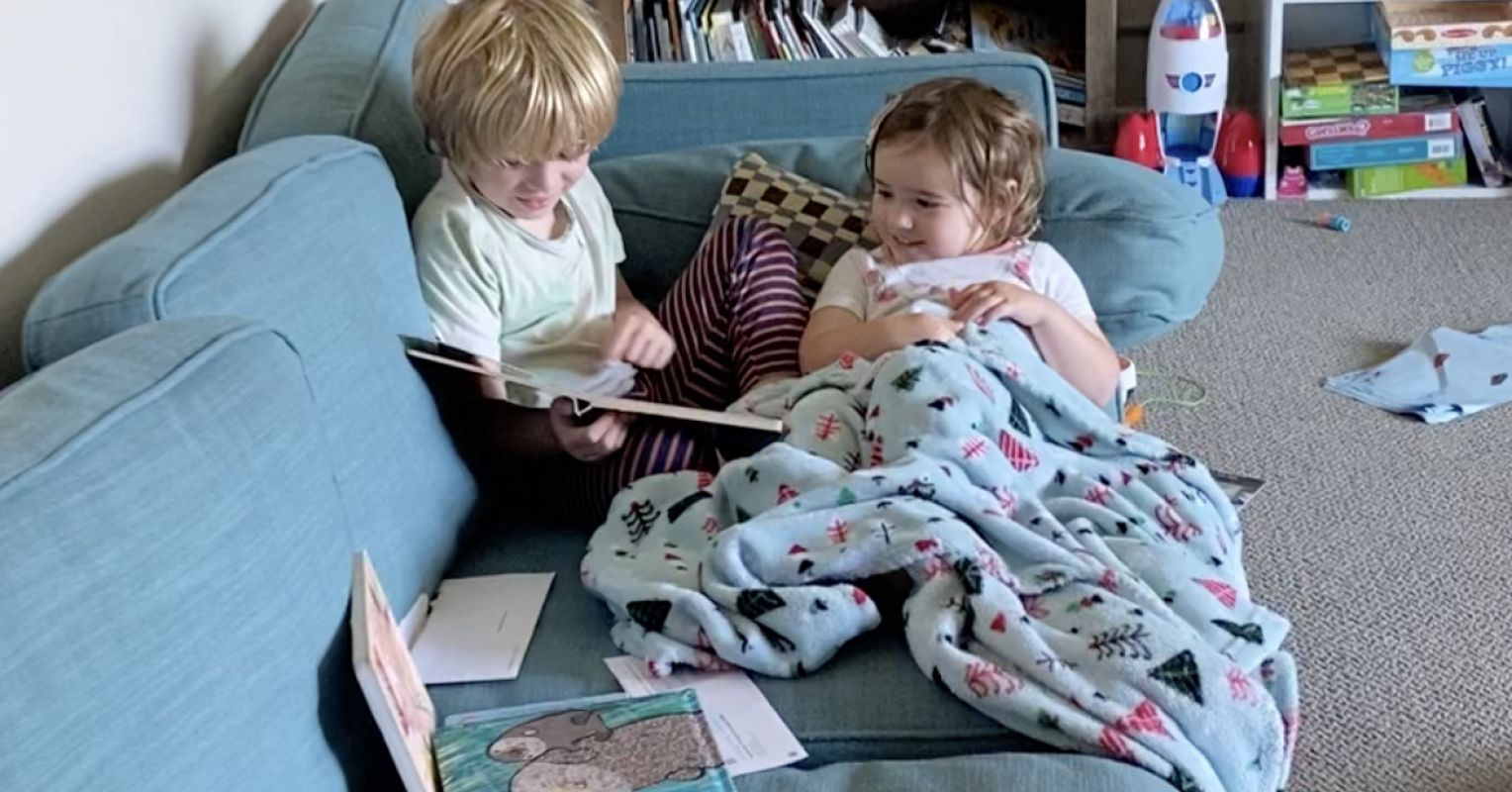
Preschool years are a period of rapid brain development. By the age of five, a child’s brain is approximately 90 percent of its adult size, highlighting the importance of this developmental window in shaping future learning and behavior (Lenroot and Giedd, 2006). When we raise our children, our hearts and minds informed by the related neuroscience research, we can facilitate their development of cognitive, emotional, and social success.
During early childhood, synaptic connections are formed at an astonishing rate, influenced significantly by experiences, especially play (Gopnik, 1999). Providing opportunities for children to engage in parent-directed and self-selected play can support this rapid phase of synaptic growth for boosted cognitive development and emotional maturity.

Problem-solving play and creativity
You can use problem-solving play, especially linked to personally relevant goals and interests of your child. These can include solving math puzzles, such as constructing building block bridges that support increasing loads, creating a story that could help a new classmate make new friends and fit into the existing class.
Creativity Bins

At home, gather a variety of art, craft, and music-making materials and sensory bins, which can guide children into creative experiences using multiple senses as they explore different textures, colors, and techniques related to a topic of interest or to a book you are reading to them. Similarly, you can provide opportunities for children to make music and create movements they link to learning and interests.
Building on stories
You can promote guided storytelling by providing a simple storyline with which your children can interact by adding dialogue, movement, multiple endings, and artwork. These experiences contribute to language and emotional development further when they can act out parts of their stories with you, siblings, or friends.
Social-emotional networks are growing in their brains
Invigorate their developing social-emotional neural pathways with nurturing, emotionally supportive experiences. Consistent environments at home can reduce the stress that accompanies many preschoolers from their outside lives into the classroom.
Language is also a big part of social-emotional skills for focus among preschoolers. Language development takes place in multiple areas of the brain that are similarly undergoing rapid growth and maturation. By fostering experiences that promote emotionally aware communication as part of their lives, you enhance the neuroplastic response that accompanies use of these developing circuits to promote language progress, richness, and comfort. You can do this with their guided reading, listening, singing, and acting out the stories they read and the math concepts they are building. Similarly, inviting discussions about how characters in stories or pictures are feeling and what actions these feelings can promote builds emotional awareness and expressiveness.
When you provide experiences and environments incorporating strategies linked with the rapid neural network development taking place in your young children, you support the development of their rich synaptic connections and the executive functions, cognition, and social-emotional skillsets undergoing rapid maturation during their preschool years. These opportunities, designed with emotional security, language richness, and playful exploration, will guide your children on the path to lifelong learning and success.
