


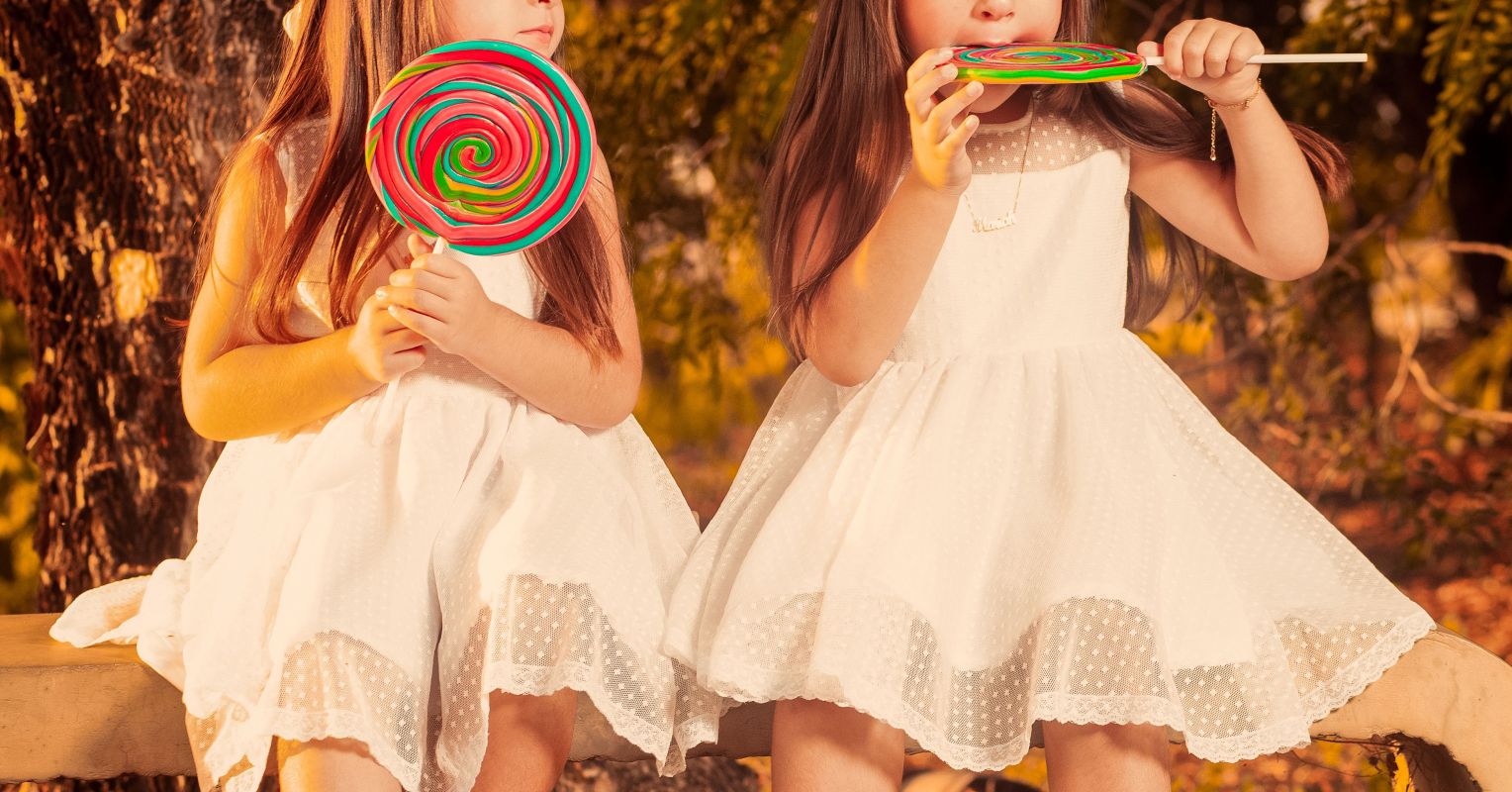
In my early life, twinship was usually seen as a very close relationship—and stressful for the family because of the extra work and energy required. Issues related to emotional and cognitive development were not seen as unusual or in need of special attention. The exception was the concern about “twin language.” How twins affected other siblings in their family was not considered deeply, if at all.
The closeness of twinship is a difficult identity problem that needs to be understood and addressed in a systematic way. The core issue is the separation anxiety that twins have when they are not with their twin. An example is young twins who are separated when they fight over a new toy that one of them received. For as long as they are apart, the twins will cry. The caregiver is at their wit’s end until the fight can be resolved and the twins can be reunited.

As my twin sister and I became older, twin development was studied at greater length, which fortunately uncovered the most effective way to raise twins and why. Individual development was stressed. Authentic relationships between family members and each twin that were personal and not concerned with “how the twins were alike” were essential.
Twins got a lot of attention for their look-alikeness, which was damaging if overdone. Our older brother had a sign in our double stroller that said, “Yes, they are twins,” because he was always asked this question. Parents today are more direct with the curiosity of onlookers, which they probably try to avoid.
Interest in twin development when I was young was very limited; my mother said that the only advice that she ever received was from a hospital nurse who told her to keep us separated. This input was helpful but very difficult to follow, as infants, babies, toddlers, and young twins want to be side by side like they were in the womb. Additionally, my mother needed more help figuring out how to handle her two troublemakers. When we were three years old, we explored the kitchen cupboards and drank red furniture polish because we thought it was yummy punch. Thankfully, our adventure was quickly discovered and the ambulance took us to the hospital where the doctor pumped our stomachs. My twin sister and I loved to tell this story.

A significant amount of time has passed since our family’s initial struggle with senseless questions that created problems for our brother. It is known that brothers and sisters are affected by the lives of the twins in the family. It is known that it is dangerous to let twins, or their siblings, decide how to take care of things. No longer do professionals suggest that Mom can do it on her own. How to parent twins is taken very seriously.
Competition and Comparison, and the Strong Need to Be Either Alike or Different
For better or worse, questions about which twin is the best and who has the most are very much a part of being a twin. The insistence on getting as much as your twin led my brother to measure, on a scale, how much food we were receiving. Who had more was a life and death issue. This “equality insanity” happens all of the time when parents do not know how to deal with competition and comparison, which can lead to fighting and unhappiness for all.
This Is Mine, and That Is Yours
From my own experiences, I’ve learned that twins, their siblings, and parents can have difficulties adjusting to one another as they grow up and develop. The “property management” issue is probably the most difficult twin problem for families to resolve. The intensity seen when one twin gets one less toy or cookie from Mom is amazing. I am still shocked at the determination that twins of all ages feel about everything being distributed equally.
I Want What You Have
This issue can be truly infuriating and last a very long time. Well into adulthood, many twins want the house, car, or vacation that their sister or brother has. Twins who are too close to one another have great difficulty “missing out” on what their twin has. More fortunate twins understand that they are different people and what they need may be different from their twin, which avoids fighting, unhappiness and possessiveness.
Understanding Twins Essential Reads
Conclusions
Sisters and brothers are at first confused by young twins entering the family because they fight and are jealous. At the same time, they have a hard time being separated and cry outrageously for their twin to be nearby. In addition, twins take whatever they want from their non-twin sister or brother without remorse. Understanding that their brother or sister is not the same as themselves is impossible to teach at an early age. Teaching twins that they need to wait takes a long time.
Twins get an enormous amount of attention, which can diminish their non-twin sibling’s sense of self-worth. On the other hand, anger and resentment toward each other are common, and twins often wish they were not twins because of the competition and comparison that goes on. Actually being asked about your twin is undermining to hear. I used to think, “Why are you not interested in what I am doing?”
Avoiding the “Look-A-Like Trap”
In my opinion, trying very hard to be yourself and present yourself as an individual will help you get along with all of your sisters and brothers better. Not seeing yourself as half of a whole is helpful for making new relationships with non-twins. Meeting new people without your twin sometimes eliminates the “Which one are you?” question that is seriously humiliating, no matter what your age.
What Parents Can Do to Decrease Questions About Their Twins
1. Dress your twin children in different outfits.
2. See each child as a unique individual by pointing out everyday things that they like and dislike.
3. Have special times you spend with each child doing different activities.
4. Find a parenting group on twins that you can attend on a regular basis.
5. Avoid labelling your twins as opposites of one another.
6. Do not show favoritism.
7. Talk with your family about how being a twin is different than being a single child.

