


The therapeutic use of literary works of art–novels, short stories, and the like–fall under the broad term bibliotherapy when employed as a means to heighten or expand the dialogue, deepen the core issues discussed and connect them the the kind of universal themes touched on by a book. Books, movies, television shows can all provide the kind of art which a mature psychotherapy client might read themselves into and then, as they relate to key characters, situations, or settings in the work, spark fruitful discussions within the therapeutic frame and help bring them to even greater levels of integration, completion, ego integrity and wholeness.
Who among us in the psychotherapy community hasn’t recommended a book, movie, or show to our clients that we thought might reach the affect in novel ways and from evocative or oblique angles to provide a kind of consulting room hypertext? As a medical student and psychotherapy patient in the early nineties I was introduced to this approach and found the prescription of the late-in-life romantic drama Shadowlands starring Sir Anthony Hopkins as C.S. Lewis an immensely useful prod to my reluctance to genuinely and profoundly feel and express emotion about a kind of grief I had been experiencing at the time.

While specific details of characters and situations were quite different from mine, the universal aspects of these touched a nerve that hourly visits had approached but hadn’t been able to pierce in the same way–opening up the floodgates–as it was when I had been watching these films on my own and could then report what had occurred at the next session.
And at the next session, the characters and situations in all the works of performing and literary art the psychiatrist had prescribed became part of the broader conversation and expanded the reach of the doctor’s otherwise solid psychotherapeutic technique. How the therapist handled my reaction to the films and stories became the therapy towards the last months of our work together, giving me ever greater confidence in my own capacity to internalize him along with relevant fictional characters and situations thereby assuring I maintain emotional growth and healing far into the future.
Over the years I have attempted to do much the same with my own patients, using works which I or they had recommended or suggested. Recent creative “grist for the mill” in my office was a bleak Bela Tarr film; a clever and surprising British spy drama on streaming television; and Solvej Balle’s On the Calculation of Volume, a literary Bill Murray’s Groundhog Day. What has been new was that even more recently I had with select patients suggested using a work of creative fiction penned by my own hand. Much as clickbait ads might announce, what happened next might surprise you. But before I get to the dramatic reveal, let me explain what this book concerns and who I think it may serve specifically, even if themes therein are universal and to which most any adult could relate.

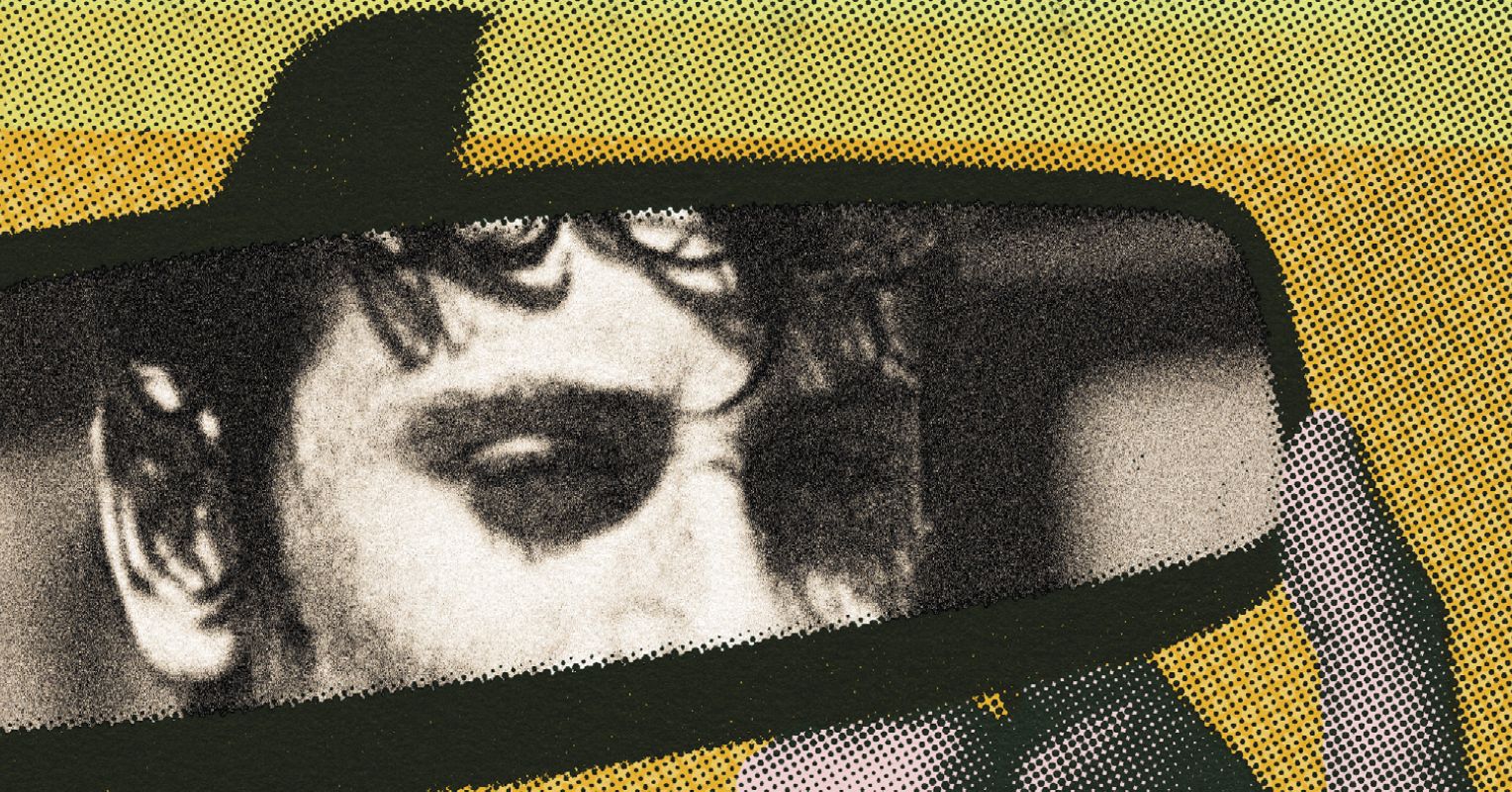
Mirror Boy is a 1980s dark coming-of-age novel featuring trauma-induced coping mechanisms, untrustworthy mentors, parental personality dysfunction, male loneliness and the desire to become a well-balanced, emotionally satisfied, well-integrated and true-to-self adult man. Unlike several other books in this genre, this book is both geared towards adults, and ultimately points toward a positive trajectory into healing and self-actualization. I’ve practiced as a psychiatrist for decades so of course I find myself speaking in clinical terms even during off hours–but the book itself is anything but. It’s been described as raw, honest, and will seem real to many depicting a young man’s innermost thoughts laid bare without censor or judgment.
The book was written by a man in his everyday clothes not a professional with his hands protectively tucked in the pockets of a physician’s fancily embroidered long white coat. I believed Mirror Boy would be relatable to masses of men who have experienced vexing circumstances and lack of direction from male role models as children and adolescents, perhaps growing up in either a highly feminized or highly sexualized environment (or both) without the kind of balance so desired by such young men while subject to home circumstances beyond their control.
And so for the right clients–making that determination based on overlapping issues and length of time having worked with them, level of maturity, ego functioning, personality style, and literary-mindedness–the book provided an entirely new but all-too-familiar world of symbology and characters to relate to within the therapy sessions themselves. So different from expository clinical writing and general non-fiction, a novel no matter what the story, setting and details, tends to be an immensely personal work of art.
Necessarily some self-disclosure occurs but no more or less than might happen in an otherwise highly effective close professional therapeutic relationship. Fiction is art and in that people bring their own vision, desires, and expectations to it, it becomes that much more grand, rich, and useful taking on a life of its own illuminated by all the projective energy readers lend to it. Most incredible of all, the use of fiction in this way further solidifies the bond between therapist and client while providing a physical totem for all the hard work done with each other over months or years.
So how does all this relate to you, dear therapist and Psychology Today blog reader? It hopefully inspires you to settle down into your own creativity and either begin or continue writing from your heart/mind and watch what reveals itself. And once you’ve done that and are happy with the result (granted this may take five years as it had me, but still…) then and only then should you consider its potential value as a psychotherapeutic tool for select patients at just the right moment in the course of long-term therapeutic engagement.
