



A friend sends you a group photo from dinner, a wedding, or a weekend trip. Before you’ve registered anyone else in the frame, you’ve already found yourself, and you’ve already found something wrong. The smile looks off. The face looks older than you expect. Your eye lands on the one part of your body you already have a complicated relationship with. Everyone else is texting back heart-eyes emojis. You’re staring at the same photo, wondering whether no one else can see what you see, or they do, and are silently judging you.
If that sounds familiar, you’re not alone in this, and you’re not vain. You’re doing something almost everyone with a body and a smartphone does. The real question isn’t whether the photo is flattering. It’s why you and the people standing next to you in it can look at the same image and walk away with such different reactions.
The Lens You Bring to the Picture

When you look at a photograph of yourself, you’re not simply looking at the image. You’re looking through everything you already believe. By the time a picture reaches you, it’s already been filtered through years of history: body image, perfectionism, old comments from a parent or coach, weight stigma, and whatever your particular version of “not enough” happens to be. None of that is unbiased, and none of it stays out of the frame.
Psychology refers to this as confirmation bias, and it works exactly the way it sounds. If part of you has spent years believing you’re unattractive, a photo doesn’t get evaluated. It gets mined for evidence. The picture stops being a picture and starts becoming proof.
Why We See Ourselves So Differently
Most of us are far kinder to everyone else in a photograph than we are to ourselves. Notice what happens the next time someone hands you their phone and says, “Ugh, I look awful here.” You’re probably not looking at whatever they’re criticizing. You’re noticing that they look happy, or that the light was beautiful, or that you remember exactly where the picture was taken and how much fun everyone was having.
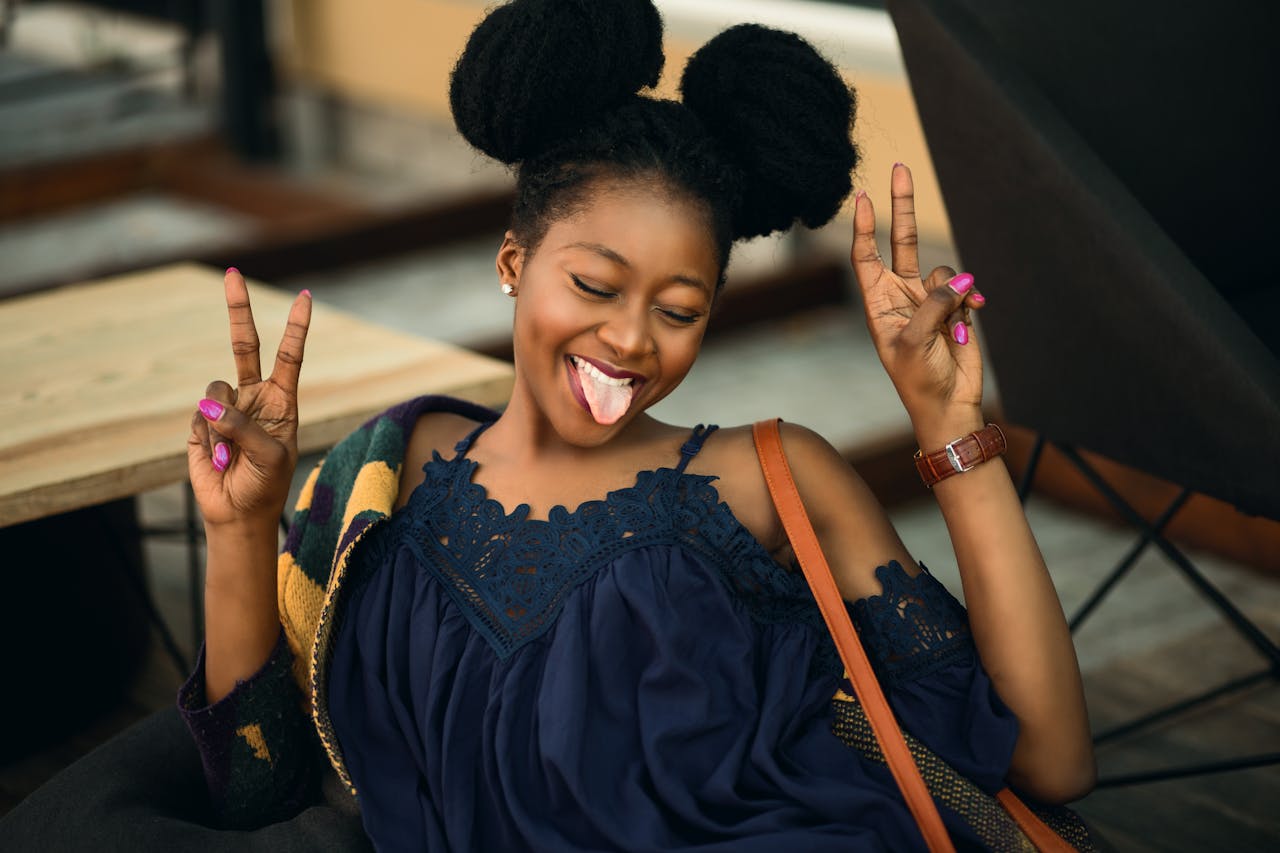
Yet when it’s our own photograph, our attention narrows. The picture that makes a friend think, “Look how happy you were,” makes us think, “My arms look terrible.” It’s the same image viewed through two completely different lenses. That difference is worth paying attention to because it reminds us that our reaction isn’t an objective assessment of the photograph. It’s an old story about ourselves that has become so familiar we mistake it for reality.
When the Picture Stops Being About the Memory
At some point, many of us stop using photographs to remember moments and start using them to evaluate ourselves. Instead of asking, “Did we capture something worth remembering?” we ask, “Do I look acceptable in it?” Once appearance becomes the test every photograph has to pass, everything else—the trip, the people you love, the celebration, the actual memory—gets pushed into the background.
Ask anyone who’s stumbled across a photograph they hated years ago. The picture hasn’t changed. What has changed is their relationship with themselves. Many people eventually see what everyone else saw all along. Or, at the very least, they feel a pang of regret that they spent so much time feeling ashamed of how they looked instead of appreciating the experiences that photograph was preserving.
Looking at Pictures Differently
The next time a photo makes you flinch, try resisting the urge to treat your first reaction as the final word. Instead, ask yourself what was happening that day, who you were with, what you were feeling, and what you would notice first if this were a photograph of someone you loved instead of yourself.
Body Image Essential Reads
This doesn’t mean you’ll suddenly love every picture of yourself. That’s not the goal. The goal is to remember that your first reaction is one interpretation, not the truth. The lens through which you see yourself was built over a lifetime, and that means it can also change over time.
Years from now, you’re unlikely to remember the thing you’re criticizing today. You’ll remember who was standing beside you, what made you laugh, and what that season of your life meant. Those are the moments photographs were meant to preserve, and they deserve far more attention than the impossible standards we’ve learned to measure ourselves against.
