


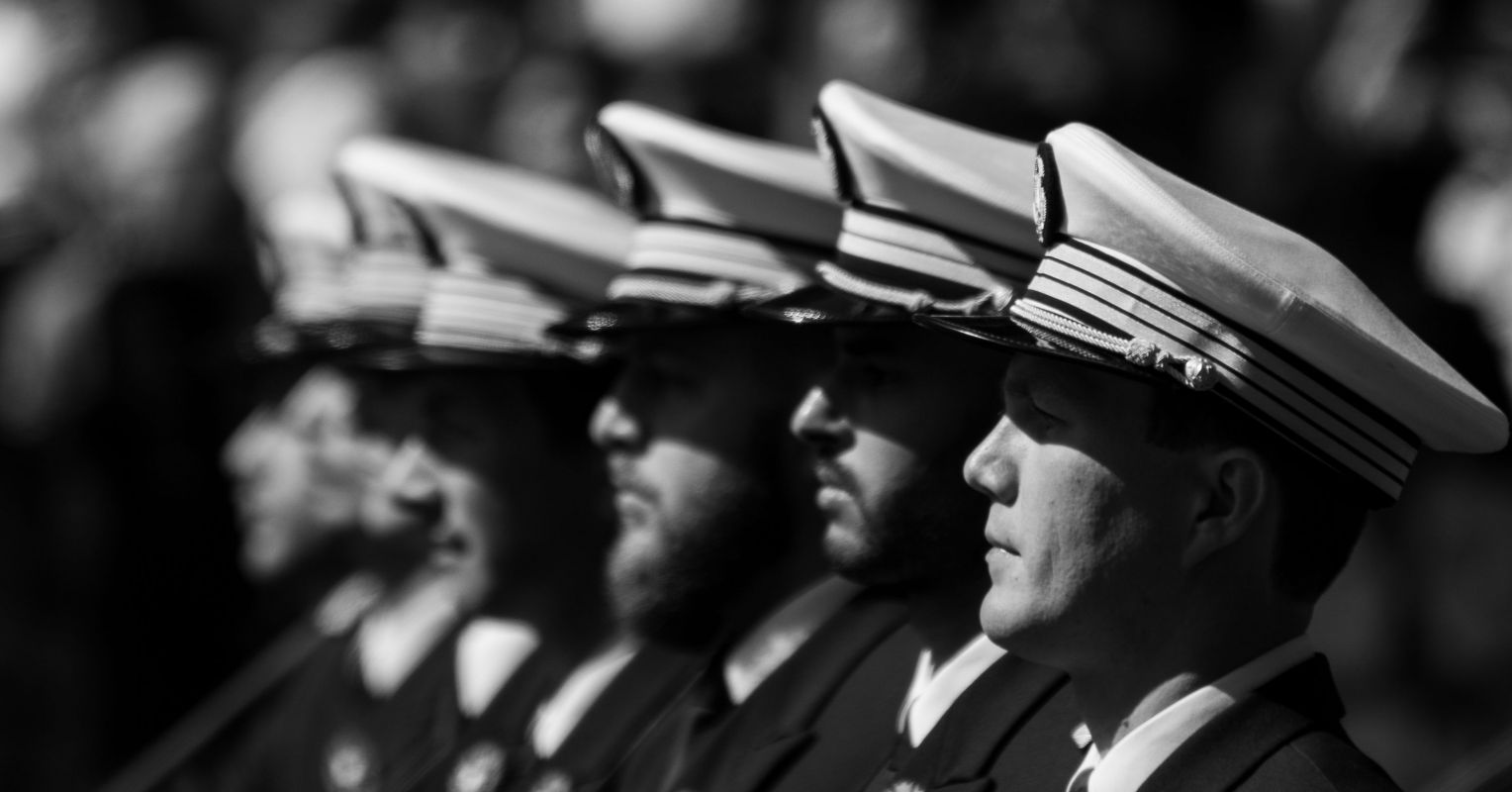
As a therapist, I have two specialties: autism and posttraumatic stress disorder. Although my early research into PTSD focused on victims of rape and sexual abuse, as I expanded my practice, combat veterans also became a group I discovered I very much enjoyed working with. Over the course of my career, I have noticed that the intersection between autism and military status is overwhelmingly common and not talked about at all. I have had this intersection come to me in both ways. I have had combat veterans come to me for EMDR or to work through their PTSD, and through the course of their treatment, we have discovered that autism is a complicating factor in their trauma. I have also had autistic men come to me to learn to cope with their autism, and it has come out through the course of treatment that their experience in the military has also profoundly shaped their lives.
Anecdotal evidence among clinicians shows that there appears to be a high overlap between autism and military service, with most veterans receiving an autism diagnosis years after their service is complete. However, there has been very little research into this subject. Research shows that PTSD rates among autistic adults are around 66 percent, and that much of this comes from histories of abuse and interpersonal violence, which can be common among people who have difficulty noticing red flags or danger signals in predatory people. However, a significant portion of that also comes from military service. Clinical reports and community surveys suggest that veterans often initially receive diagnoses such as PTSD, depression, generalized anxiety disorder, ADHD, or TBI before later recognizing lifelong autistic traits. While these accounts are not formal epidemiologic evidence, they highlight a growing awareness that autism has historically been overlooked in military populations, particularly among individuals who were able to mask successfully during service.

It makes sense that autistic youth and young adults would be drawn to military service. The military is structured, and it is a guaranteed job in a world that often makes obtaining and maintaining employment difficult for autistic adults. It offers a safe routine and predictability for people who naturally enjoy rigid adherence to routines and patterns. You get to wear the same clothes every day. Your meals are planned. Your paycheck is guaranteed. A social structure with brotherhood, sisterhood, and camaraderie is built in for people who struggle to find connection. There is a clockwork to military life that is appealing to the autistic mind. Many of my clients who are autistic and former military members miss the military. They feel that civilian life is chaos that does not make sense.
Military culture actively rewards many autistic traits. Precision, attention to detail, rule-following, perseverance, tolerance for repetitive tasks, direct communication, and intense focus can all be tremendous strengths in military environments. As a result, autism may go unnoticed because many autistic service members are viewed as exceptional soldiers rather than people with a neurodevelopmental disability. It is often only after leaving the highly structured environment of the military that the social and executive functioning demands of civilian life reveal lifelong autistic traits.
My husband is an autistic veteran with 11 combat deployments behind him. Sometimes he says that he misses combat. Even in combat, there was order, structure, and rank, while normal life comes with a social confusion and lack of structure that makes life debilitating. In combat, life was not based on who was the most popular or who understood the subtle communication styles of neurotypicals. It was based on clear communication and a single mission that was clearly communicated. In real life, jobs are based on popularity, who communicates best, and who is the most popular at the water cooler. All of that is impossible for an autistic man with PTSD who is good at doing his job, but for whom the labyrinth of neurotypical social norms makes combat look like a walk in the park.

A notable gap in the literature is the absence of large studies specifically examining autistic veterans. There are currently no robust estimates of autism prevalence among U.S. veterans, nor are there comprehensive longitudinal studies evaluating employment, suicide risk, healthcare utilization, or quality of life after service in autistic veterans.
Among the autistic veterans I work with, there is a consistent theme that they have the worst of both worlds. They have PTSD at higher rates than their neurotypical peers. Among the autistic veterans I have worked with, many describe repeated deployments or unusually intense combat experiences. Whether this reflects a broader pattern is unknown because no research has examined it. By my observations, they have failed to receive services from the VA, receive the accolades, or get the support that most veterans receive. Similarly, they seem to have higher rates of suicidality, depression, PTSD, and relationship trauma than their non-veteran autistic counterparts.
My husband retired from the military after 23 years of service, 11 deployments, and being shot in the back. He never received a Purple Heart, never received a Bronze Star, never had a retirement ceremony, was never presented with a flag, and I had to help him fight for every VA benefit he received. As a socially awkward veteran with a stutter, it did not matter how much he had done for his country or that he was wounded in combat. They simply swept him under the rug. Other men he served with who never saw active combat were promoted and got high-paying civilian jobs in the Department of Defense post-retirement. Post-retirement, he hasn’t gotten any of the accolades of his neurotypical peers. His communication difficulties make him an outsider, and his failure to understand the strange neurotypical Morse code that is social communication places him at constant risk of losing his job, no matter how hard he works or what amazing things he accomplishes.
At the time I am writing this, there is no research that I could find on any of these topics. There were no suggested treatment modalities or services for autistic veterans. All my evidence is anecdotal, either from my 20 years of practice, stories from other counselors, or the autistic veterans I know and have known. Autistic adults are a forgotten population in many ways, but autistic veterans might as well be ghosts.
