


There’s a common trope in martial arts movies that depicts a wizened and sage old master tutoring some young tiger on their way to defeat a bad person and thus support the cause of justice. What we don’t see as often is the backstory of the old master beyond a brief training montage or flashback. We don’t see much about how they actually got to where they are now, or explore what it was like to train with others for so many decades. The training didn’t happen in a vacuum, but rather as a specific part of society.
Social Context of Punching and Kicking
As part of a broad interest in how martial arts affect health across the lifespan, Yong Jiang, Pengsong Li, Yulong Yang, Liqing Liu, Haibin Liu, Yan Zhu, Fengshan Gao, Yanze Li, Suheng Li, Junjie Wang, Qingyong Wang, and Shuye Yang from the School of Kinesiology and Health Promotion, Dalian University of Technology in China, summarized their perspective in a recent review published in Frontiers in Psychology.

While acknowledging the important role that physical activity plays in maintaining bodily health, they point out the importance of social context. Cognitive decline with aging increases the risk of mental health challenges like depression and anxiety, especially when combined with social isolation, presenting challenges to independence and quality of life. Activity is important, but so is the context in which physical activity occurs.
Martial Arts for Mind, Body, and Beyond
Traditional martial arts training can be seen as a kind of holistic activity of body and brain. Such activities are well known to promote mental health and cognitive function by combining social interactions with cognitive engagement and physical activity.
In the current context and survey of the scientific research literature, Yong Jiang and colleagues define martial arts to include “boxing, judo, karate, and traditional practices like Tai Chi, which combine aerobic exercise, complex motor skills, cognitive challenges, controlled breathing, and social interaction”. As such, martial arts are holistic activities that comprehensively address the complexity of healthy aging by targeting bodily physical fitness, social connection, emotional regulation, and overall brain health.

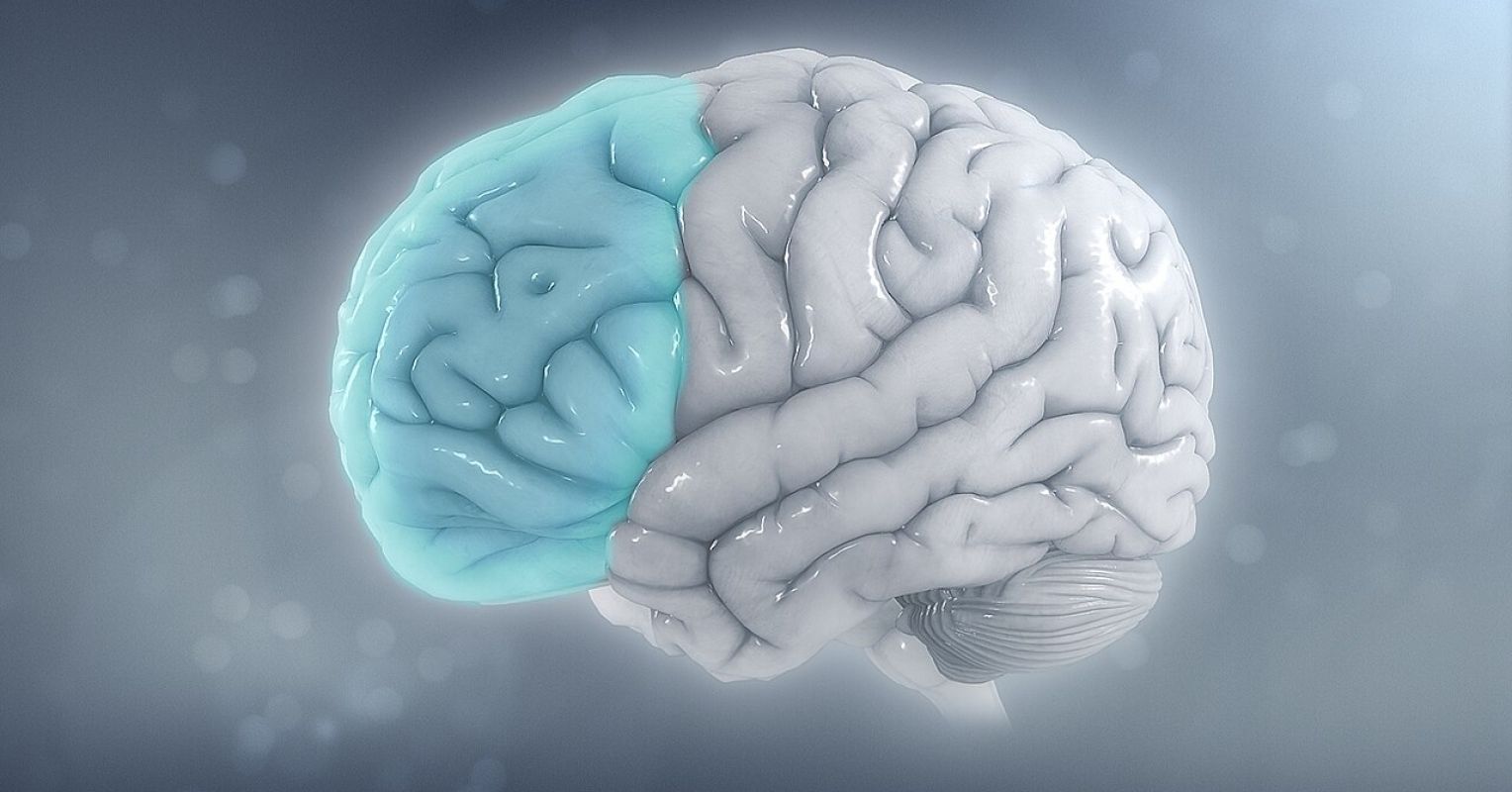
Research literature suggests that the neurobiological benefits arising from martial arts training that improve mental health occur by enhancing the release of factors like brain-derived neurotrophin (BDNF), which is critical for synaptic plasticity. Levels of BDNF typically fall as we get older and affect memory and cognitive decline. Older adults who train in judo and Tai Chi have higher “BDNF levels, improved cognitive performance, and structural brain changes, including increased gray matter in the hippocampus and prefrontal cortex.”
Often, the cognitive demand of martial arts is overlooked, yet such training involves learning and producing complex movements with demands on executive function. Martial artists are required to memorize simple and complex sequences, anticipate actions, and make rapid decisions, all with sustained focus and attention. As such, training engages neurobiological connections, mediating executive function, attention, and working memory. While neuroimaging in martial arts research is still relatively uncommon, available work shows that “regular practice increases cortical thickness and functional connectivity between regions responsible for cognitive flexibility and self-awareness,” which leads to improvements in the capacity to multitask, in the speed of information processing and movement, and in general cognitive performance. Additionally, studies of those training in so-called hard martial arts, including judo, Taekwondo, and karate, have reduced depression and anxiety, combined with increased life satisfaction and self-esteem.
Training Alone Together
Unlike the martial arts movie scenario where our hero is typically shown training in isolation with the master, real martial arts training is often in a group and could reasonably be said to provide significant and meaningful social interactions, forms of mutual encouragement, and acknowledgement of shared accomplishment. This strengthens emotional resilience and motivation for continued activity and training.
From the perspective of the theory of embodied cognition, namely that cognitive functions are firmly rooted in sensorimotor experience, Yong Jiang and colleagues suggest martial arts training offers “a rich combination of movement flow, attention management, emotional, and intersubjective interactions.” Taken together and viewed holistically, martial arts training practices provide important stimuli for neuroplasticity across domains of motor, cognition, and socio-emotional regulation, contributing to successful aging.
Martial arts training practices are multidimensional and multifaceted, as are the complex factors that contribute to healthy or pathological aging. Seeing this clearly means understanding them as lifelong practices, not just sports for the young. We don’t want to just appreciate Mr Miyagi. We want to think about the path he followed to become who we see in action, teaching Daniel-san and others —a path that is open to anyone at any time.
(c) E. Paul Zehr (2026)
